


Top 10 Steps to Heal "Leaky Gut" (Strengthening the Barrier)
If you're constantly feeling bloated, exhausted, or just plain foggy, the real culprit might be your gut. One of the standout benefits of acacia powder is its incredible ability to support gut health. It acts as a top-tier prebiotic, nourishing your good gut bacteria and helping to strengthen the all-important intestinal lining.
Understanding Leaky Gut and How to Fix It
Think of your gut lining as a tightly woven net or a strong fortress wall. Its main job is to be a selective gatekeeper, letting nutrients pass into your bloodstream while keeping toxins, undigested food, and other harmful particles safely contained.
Leaky gut, or what scientists call increased intestinal permeability, is what happens when that net develops holes. The tight junctions between the cells lining your intestines loosen up, allowing those unwanted substances to "leak" into your system. This can trigger widespread inflammation and a whole host of confusing symptoms.
This breach in your body's defenses can show up in all sorts of ways. You might experience obvious digestive issues like bloating and gas, but it can also lead to problems that seem totally unrelated, like fatigue, skin conditions, and even brain fog. The issue isn't just what's in your gut, but what's escaping from it.
Your Roadmap to Rebuilding the Fortress
The good news? You can absolutely take action to repair this vital barrier. It’s all about a systematic approach: removing things that irritate the gut, adding in healing nutrients, and adopting habits that help your body recover.
A cornerstone of this strategy involves feeding the beneficial bacteria that essentially act as the masons for your gut wall. This is where a gentle but powerful prebiotic like acacia powder comes in. When you give these microbes the right fuel, you empower them to create the compounds needed to patch up and reinforce your gut lining, particularly the crucial mucin layer that keeps toxins out of your blood.
The process is simpler than it sounds. You identify the damage, provide the right kind of nourishment, and then your body can get to work rebuilding a strong, resilient barrier.
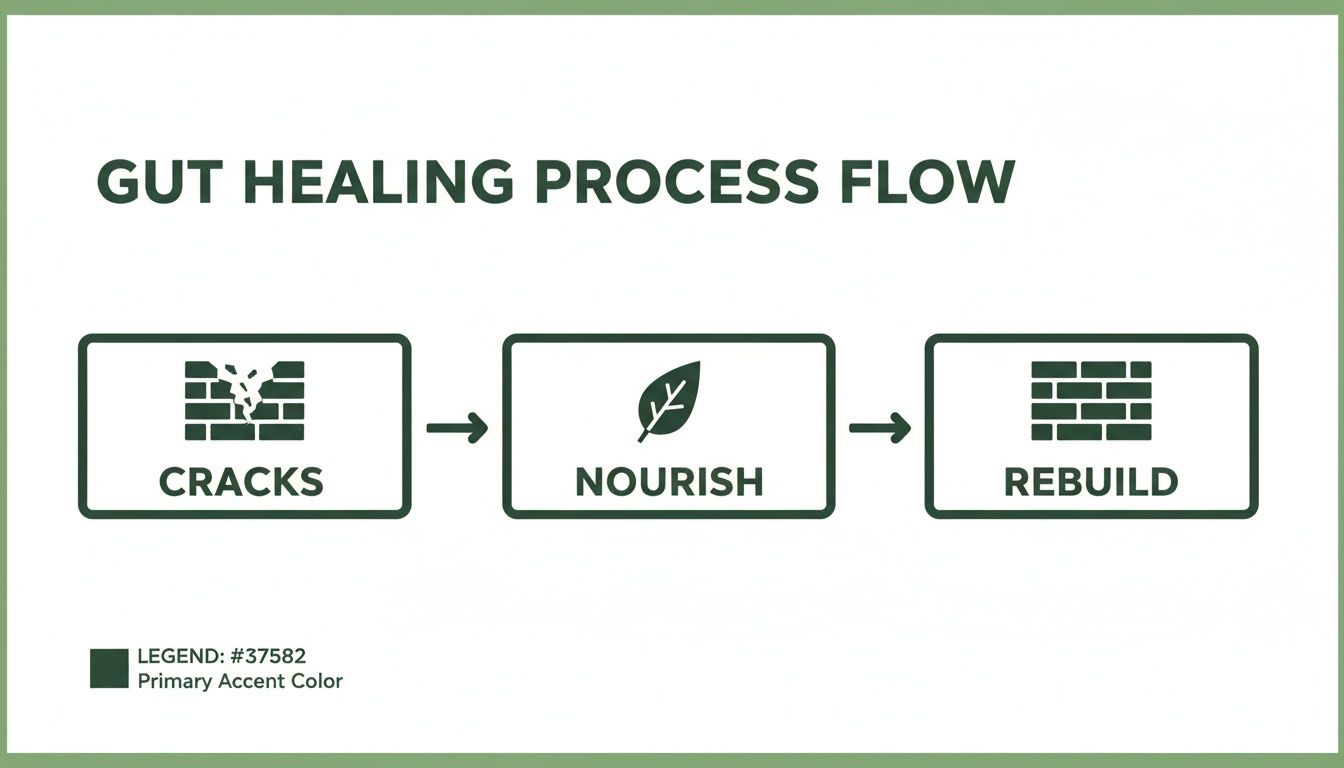
This journey from a compromised gut to a healthy one hinges on that "nourish" step—it's the catalyst for change. Think of a high-quality acacia fiber not just as another supplement, but as a foundational tool for this rebuilding phase.
For a comprehensive look at the strategies involved, check out our guide on how to improve gut health naturally. Let's get started on fortifying your internal fortress.
Step 1: Fortify Your Gut Wall with Prebiotic Acacia Fiber
The first step in healing a leaky gut is to reinforce its primary line of defense: the gut wall. Think of this mucosal barrier as a fortress wall, and your beneficial gut bacteria are the masons responsible for its upkeep. Chief among this crew are crucial strains like Bifidobacteria.
These microbes aren't just sitting around; they're actively working to maintain the thick, protective mucus layer (the mucin layer) that lines your intestines. This layer is everything. It’s the physical barrier that stops toxins, undigested food, and other unwanted particles from slipping into your bloodstream.
To get these microbial masons on the job, you need to give them the right fuel. This is where prebiotics come in. A prebiotic isn't just any fiber—it's specialized "fertilizer" that selectively feeds your most helpful gut bacteria.
The Power of Specialized Fuel
Not all fibers are created equal. Some can be harsh and cause uncomfortable gas and bloating, which is the last thing you want when your system is already sensitive. One of the biggest acacia powder benefits is that it's both incredibly gentle and powerfully prebiotic.
When you use a high-quality supplement like Organic Acacia Prebiotic Fiber Powder, you’re providing the exact food that Bifidobacteria crave. As these good microbes feast on acacia fiber, they multiply and thrive. Research has proven that acacia significantly increases Bifidobacteria, which in turn strengthens that critical gut mucin layer—the wall that keeps toxins out.
The principle is simple: feed the good guys. When Bifidobacteria flourish, they produce vital compounds called short-chain fatty acids (SCFAs), like butyrate. These SCFAs act as the primary energy source for your colon cells, helping to tighten the junctions in your gut lining and effectively seal the “leaks” in your fortress wall.
Acacia fiber's ability to boost Bifidobacteria is directly linked to a stronger gut barrier. This bifidogenic effect ramps up SCFA production, reduces inflammation, and supports overall metabolic function.
Why Acacia Fiber Stands Out
Choosing the right prebiotic is critical for long-term success. While other fibers like inulin can also be effective, acacia's slow and steady fermentation in the colon makes it exceptionally well-tolerated. For a deeper dive into other options, our guide on organic inulin powder offers a helpful comparison.
This gentle nature means you get all the gut-fortifying benefits without the digestive distress often associated with other high-fiber supplements. It’s an ideal starting point for anyone looking to repair their gut lining safely and effectively.
To put it simply, here’s how acacia fiber works its magic to reinforce your gut barrier.
How Acacia Fiber Reinforces Your Gut Barrier
| Mechanism | Benefit for Leaky Gut |
|---|---|
| Feeds Beneficial Bacteria | Acts as a potent prebiotic, proven to increase Bifidobacteria populations. |
| Strengthens Mucin Layer | Promotes a thicker, more robust protective mucus lining in the intestines. |
| Increases SCFA Production | Nourishes gut cells, reduces inflammation, and strengthens the gut barrier. |
| Offers Gentle Soluble Fiber | Supports gut health without the gas and bloating common with other fibers. |
By incorporating this gentle yet potent prebiotic, you are taking one of the most important steps toward rebuilding your gut's defenses from the inside out.
Step 2: Remove Foods That Weaken Your Gut Barrier
While feeding your gut with powerful prebiotics is a fantastic start, you can't really fix a wall while someone is still knocking holes in it. That brings us to a critical second step: removing the things that are actively harming your gut lining in the first place.
Think about it like this: trying to patch a leaky boat while it's still taking on water is a losing battle. The same goes for your gut. Consuming inflammatory foods is like that constant trickle of water, undermining all your efforts to heal and seal your intestinal barrier.
This isn't about long-term deprivation. It's a temporary, strategic move to give your gut a break. By removing the common irritants, you halt the ongoing damage, calm the inflammation, and finally create the peaceful environment your body needs to start repairing itself.
Identifying the Common Troublemakers
So, what are these gut irritants? Certain foods have a well-deserved reputation for aggravating the gut lining and contributing to what’s known as "leaky gut." The idea is to take them out of your diet for a set period, usually 30 to 90 days, and pay close attention to how your body feels.
This process is incredibly empowering because it helps you pinpoint your own personal food triggers. The most common culprits to consider temporarily eliminating are:
- Gluten: In sensitive individuals, gluten can trigger the release of a protein called zonulin, which essentially unlocks the "gates" between your intestinal cells, weakening the gut barrier.
- Processed Sugars: A high-sugar diet is like an all-you-can-eat buffet for the bad bacteria and yeast in your gut, throwing your microbiome out of balance and fueling inflammation.
- Industrial Seed Oils: Heavily processed oils like canola, soy, and corn oil are loaded with omega-6 fatty acids. While some omega-6 is necessary, the amount in modern diets can drive a powerful inflammatory response.
- Dairy: For some, proteins in dairy like casein can be inflammatory. For others, the sugar lactose is the source of digestive upset.
- Processed and Artificial Foods: The chemical additives, preservatives, and artificial sweeteners packed into processed foods can disrupt your gut microbes and directly irritate your intestinal lining.
Think of this as a strategic retreat, not a punishment. You're giving your gut a much-needed vacation from the daily assault, allowing its own incredible healing mechanisms to finally do their job. This is about discovering what truly nourishes you.
After this initial healing period, you can start reintroducing these foods one by one, carefully observing how you react. This mindful approach helps you build a personalized, sustainable diet that keeps your gut strong and resilient for good.
Step 3: Incorporate Nutrients That Rebuild the Gut Lining
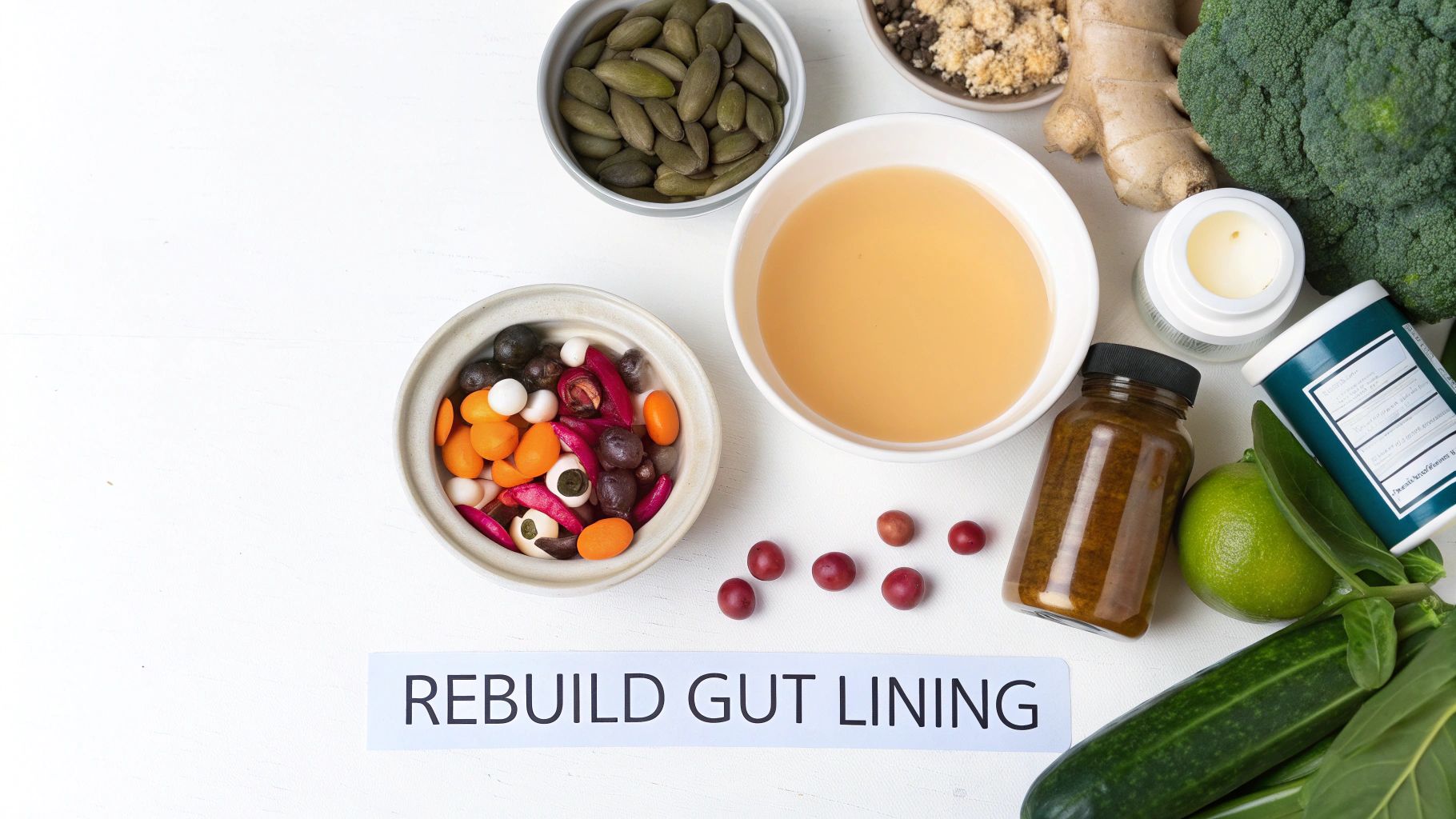
Once you've cleared out the dietary troublemakers that were damaging your gut, the next move is to bring in the materials for repair. This is all about rebuilding. Think of it like bringing in a construction crew with the best bricks and mortar to fix a crumbling wall.
Acacia fiber is the perfect food for the beneficial bacteria in your gut—the "workers," so to speak. But these specialized nutrients we're about to cover are the actual building blocks they use. They give your intestinal cells everything they need to regenerate, tighten up their connections, and form a strong, resilient barrier.
This is where you'll see the biggest changes. You're not just putting a stop to the damage; you're actively supporting the reconstruction of your gut on a cellular level.
The Bricks and Mortar of Gut Repair
To get those tight junctions between your intestinal cells back in working order, you need the right nutrients. Several key compounds are particularly good at this, and each one has a specific job in the rebuilding process.
Here are some of the most important gut-healing nutrients to focus on:
- L-Glutamine: This is the most abundant amino acid in the body and the preferred fuel source for the cells lining your gut. Giving them plenty of L-glutamine is like giving them the energy they need to repair and replicate.
- Zinc: This essential mineral is a true guardian of the gut lining. It’s crucial for maintaining mucosal integrity and helps regulate how tightly the junctions between intestinal cells are sealed.
- Collagen and Bone Broth: Packed with amino acids like glycine and proline, collagen provides the foundational material for rebuilding connective tissue—and that includes your gut. A simmering pot of bone broth is a fantastic way to get it from a whole-food source.
Think of your gut lining like a zipper. L-glutamine provides the energy to operate it, collagen is the durable fabric on either side, and zinc ensures the teeth lock together tightly and securely.
Foods That Fuel the Healing Process
Beyond targeted supplements, what you eat every day can be a powerful source of gut-repairing compounds. Focusing on whole foods gives you a wide spectrum of anti-inflammatory and nourishing ingredients.
Try adding these powerful foods to your routine:
- Fermented Foods: Things like kimchi, sauerkraut, and kefir deliver a healthy dose of probiotics—the live beneficial bacteria that help bring balance back to your microbiome.
- Colorful Plants: A rainbow of fruits and vegetables provides anti-inflammatory compounds called polyphenols. These help calm irritation and support a healthy gut environment.
- Healthy Fats: Omega-3 fatty acids from sources like wild-caught fish help lower systemic inflammation. In addition to acacia fiber, other healthy fats can do wonders for your gut lining and microbiota. You can learn more about the profound benefits of olive oil for gut health and its role in this process.
By pairing the prebiotic power of acacia fiber with these essential building blocks, you create a complete system for repair. This approach tackles gut health from every angle, providing both the fuel for your microbial allies and the raw materials needed to reconstruct a strong, healthy gut wall. For a deeper look into advanced gut-supporting compounds like butyrate, you can explore our article on CoreBiome® Tributyrin.
Steps 4-7: Master Your Lifestyle for a Healthier Gut
Fixing your gut goes way beyond what’s on your plate. While dialing in your diet and adding a high-quality prebiotic like Organic Acacia Prebiotic Fiber Powder are the cornerstones of healing, your daily habits can make or break your success.
The next four steps are all about creating the right environment for your gut to actually repair itself. Think of it this way: stress, sleep, movement, and toxins are powerful forces that directly impact your gut lining and microbiome balance. Getting them right turns your lifestyle into your greatest ally.
Step 4: Get a Handle on Your Stress
Chronic stress is like a wrecking ball for your gut. When you’re constantly on edge, your body is flooded with the stress hormone cortisol. A little bit is fine, but day after day of high cortisol can seriously disrupt your entire digestive system.
Picture stress as a constant, slow drip of acid on your gut lining. It eats away at the protective mucus layer and can even pry open the "tight junctions"—the seals between your intestinal cells—leading straight to leaky gut. This is exactly why you can have a "perfect" diet but still be plagued by gut issues if you haven't managed your stress.
We often forget about the gut-brain axis, but it’s a two-way superhighway. Stress signals from your brain can ignite inflammation in your gut. In turn, an inflamed gut sends distress signals right back to your brain, which can fuel anxiety and mood problems. Calming your mind is one of the most direct ways to calm your gut.
You don't need a month-long silent retreat. Just build simple, consistent stress-management practices into your day.
- Mindfulness and Meditation: Seriously, even 5-10 minutes a day of just sitting quietly and focusing on your breath can measurably lower cortisol.
- Deep Breathing: When you feel that tension rising, try box breathing. Inhale for 4 seconds, hold for 4, exhale for 4, and hold for 4. It’s a simple trick that can instantly pull your nervous system out of "fight or flight."
- Get Outside: Spending time in nature is a well-documented stress buster. It’s a simple way to hit the reset button for both your mind and your microbiome.
Step 5: Make Deep Sleep a Priority
Sleep is prime time for your body’s repair crew. While you're in a deep slumber, your system is hard at work on cellular regeneration, especially for the cells lining your gut, which turn over incredibly fast.
If you aren't getting enough high-quality sleep—the goal is 7-9 hours a night—that critical repair work just doesn't happen. Poor sleep messes with your circadian rhythms, which throws your microbiome into chaos and can make your gut lining more permeable. Skimping on sleep is like telling your gut's repair team to take the night off while the damage keeps piling up.
Focus on your sleep hygiene. Keep your bedroom cool, dark, and quiet. And please, put the phone away at least an hour before bed. The blue light it emits can slam the brakes on melatonin production, the very hormone you need to fall asleep.
Step 6: Move Your Body Mindfully
The right kind of exercise is fantastic for your gut. Moderate, mindful movement helps cool down systemic inflammation, gets things moving through your digestive tract (a process called peristalsis), and can even shift the makeup of your gut bacteria for the better.
The key word here is moderate. Pushing yourself to the absolute limit with super-intense workouts can backfire, acting as a major physical stressor that diverts blood away from your gut and can actually increase intestinal permeability. It's all about finding that sweet spot.
Great options for gut-friendly movement include:
- Walking: A brisk daily walk is one of the best things you can do to aid digestion and keep stress in check.
- Yoga: It’s the perfect combination of gentle movement and deep, intentional breathing—a powerful one-two punch for the gut-brain axis.
- Cycling or Swimming: These low-impact activities are great for your cardiovascular health without putting your body, or your gut, under excessive strain.
Step 7: Lower Your Toxin Load
Finally, we have to talk about the chemicals and environmental toxins that can directly assault the delicate cells of your gut lining. We're exposed to them every day in plastics, pesticides on our food, and chemicals in our personal care products.
These compounds can irritate the gut, fuel inflammation, and weaken your intestinal barrier. While you can't live in a bubble, you can take simple, meaningful steps to reduce your exposure.
Start with the easy wins. Choose organic produce when your budget allows to cut down on pesticides. Ditch the plastic food containers and switch to glass or stainless steel to avoid chemicals like BPA. Take a minute to read the labels on your cleaning supplies and toiletries, and opt for gentler, simpler formulas. Every little change lessens the burden on your gut, giving it a much better chance to heal.
Steps 8-10: Fine-Tuning Your Healing for the Long Haul
You've done the heavy lifting to fortify your gut lining and adopted a lifestyle that promotes healing. Now, it's all about making those changes stick. These final three steps are designed to polish your approach, turning your hard-won progress into a sustainable, lifelong habit. Think of this as the transition from active repair to effortless maintenance.
This isn't about a massive overhaul. It's about subtle, powerful adjustments that keep your gut barrier strong and resilient. You're moving past the initial healing protocol and embedding these practices into your daily rhythm, ensuring your digestive system stays in top form for good.
Step 8: Start Digestion Before the First Bite
Most people think digestion begins in the stomach, but it actually starts with your brain and your mouth. This might sound simple, but one of the most powerful things you can do for your gut is to slow down and chew your food properly.
When you're rushing, you're swallowing big chunks of food that haven't been broken down. This puts an incredible strain on your entire digestive system, forcing it to work overtime to do a job your teeth should have handled. On the other hand, chewing thoroughly kickstarts the whole process perfectly. Your saliva releases enzymes to start breaking down carbs, and the simple act of chewing sends a signal to your stomach to get the right amount of acid ready for what's coming.
Think of it like pre-sorting your mail before it arrives at the post office. When you chew well, you make the entire digestive process more efficient, reduce stress on the system, and prevent a major backup down the line.
Step 9: Make Water Your Best Friend
Water isn't just for quenching thirst; it's absolutely fundamental to every single part of your gut health. It’s the key to maintaining the integrity of your mucosal lining—the very barrier you've been working so hard to heal. A well-hydrated gut has a thick, healthy mucus layer that serves as your first line of defense against irritants.
Good hydration is also non-negotiable for proper digestion and regularity. Soluble fibers, including the acacia powder we've been discussing, need water to work their magic. They absorb it to form a gel-like substance that softens stool and keeps things moving smoothly, helping your body eliminate toxins effectively. Without enough water, even the highest-quality fiber supplement will fall flat.
Step 10: Tame Your Blood Sugar and Appetite
This last step connects everything, and it's where you'll see another major acacia powder benefit in action. Wild swings in blood sugar and relentless cravings are enemies of a healthy gut. When your blood sugar crashes, you’re far more likely to grab sugary, processed snacks—the exact foods that feed bad gut bacteria and weaken your gut barrier.
This is where acacia fiber proves its worth not just for repair, but for long-term maintenance. It helps you feel full and satisfied, a state known as satiety, which naturally helps you manage your appetite and sidestep those unhealthy cravings.
Clinical studies have shown that acacia can help lower blood glucose and insulin levels after eating, making it a fantastic tool for stabilizing your energy and appetite.
By adding Organic Acacia Prebiotic Fiber Powder into your routine, you’re doing more than just feeding your good gut bacteria. You're tackling one of the root causes of poor food choices, making it much easier and more intuitive to maintain the healthy gut you've built.
Your Questions About Acacia Powder and Leaky Gut, Answered
When you're starting a new supplement to heal your gut, it's natural to have questions. Getting clear on how acacia powder works and the best way to use it can make all the difference. Let's dig into some of the most common questions we get from people just like you.
How Quickly Can I Expect to See Results?
This is probably the most common question, and the honest answer is: it depends, but you'll likely notice some things pretty quickly.
While everyone's body is unique, most people report feeling initial improvements—like less bloating and more predictable bathroom habits—within the first 1-2 weeks of consistent use. Those early wins are a great sign that the fiber is starting to do its job.
The deeper work, like repairing the gut lining and really shifting your microbiome in a positive direction, takes a bit longer. For that, you’ll want to give it a solid 1-3 months. The key here is consistency. Taking Organic Acacia Prebiotic Fiber Powder, every day gives your beneficial bacteria the steady fuel they need to flourish and get to work on that gut barrier.
Think of it like this: if you start watering a patchy, dry lawn, you'll see the ground get wet right away. That's the immediate relief. But for the grass to grow thick, green, and resilient, you need to keep watering it consistently for weeks. The same goes for healing your gut.
What’s the Best Way to Take It?
Honestly, one of the best acacia powder benefits is how ridiculously easy it is to incorporate into your life. The powder is nearly tasteless and dissolves completely, meaning it won't mess with the flavor or texture of your favorite foods and drinks.
We usually suggest starting with one teaspoon a day to let your digestive system get used to it. From there, you can slowly work your way up to a full tablespoon over the next week or two.
Here are a few simple ways people fit it into their day:
- Morning Routine: Stir it into your coffee, tea, or a simple glass of water first thing.
- Smoothies: It vanishes into any smoothie, adding a powerful fiber kick without you even knowing it's there.
- Meals: Mix it right into yogurt, oatmeal, soups, or even pasta sauce. No one will ever notice.
Unlike other fiber supplements that can get thick, clumpy, or gritty, acacia powder is incredibly forgiving. This makes it one of the easiest habits to stick with for long-term gut health.
Can I Take Acacia Powder with Probiotics or Collagen?
Yes, absolutely! In fact, taking these together is a fantastic strategy. They work as a team, creating a powerful synergy that can accelerate gut repair.
Here’s how to think about their roles:
- Acacia Powder (Prebiotic): This is the fertilizer that feeds and strengthens your good gut bacteria.
- Probiotics (Good Bacteria): These are the seeds or the "workers" that populate your gut and keep things in balance.
- Collagen (Building Blocks): This provides the "bricks and mortar"—the essential amino acids needed to physically patch up and rebuild the gut lining.
When you take them together, the acacia helps the probiotics set up shop and thrive. Add collagen to the mix, and you're not only feeding the good microbes but also giving your body the direct materials it needs to repair the gut wall. It’s a truly comprehensive approach. As always, it's a good idea to chat with your healthcare provider before starting any new supplement routine to make sure it's the right fit for you.
At Peak Performance, our goal is to give you clean, powerful tools to build health from the inside out. Our USDA Organic Acacia Prebiotic Fiber Powder is a simple, effective first step toward building a stronger, more resilient gut.
Ready to start reinforcing your gut barrier and feel the difference? Get your Peak Performance Organic Acacia Prebiotic Fiber Powder today.
Also in Blog


Boost Focus: Best Eye Support Supplements for 2026


The 3 AM Wakeup: Your Guide to Cortisol Support Supplements

