


Top 10 Signs of a "Sluggish Liver" (That Have Nothing to Do with Alcohol)
Let's get one thing straight right from the start: you don't have to be a heavy drinker to have liver issues. Far from it. Most people think liver problems only happen to those who overindulge, but the reality is that our modern lifestyle puts this powerhouse organ under constant strain. Your liver is one of the hardest-working, most underappreciated organs in your body, juggling over 500 vital tasks that influence everything from how energetic you feel to how clearly you think. When it's struggling, the signs it sends are often quiet and easy to blame on something else.
Your Liver Is So Much More Than a Filter
It’s tempting to think of the liver as just a simple filter, but that's like calling a smartphone just a calculator. In reality, it's your body's master biochemical plant, nutrient storage facility, and waste-disposal command center, all rolled into one. Absolutely everything you eat, drink, breathe, or even absorb through your skin gets a pass-through from this amazing organ.
When this powerhouse organ gets overloaded, it doesn't usually scream in pain. Instead, it sends subtle whispers—symptoms that can be confusing and seriously impact your quality of life. The biggest problem? We tend to write off these whispers as just "getting older" or "being stressed."
Learning to Read Your Body's Quiet Signals
Recognizing these early signs is the first crucial step toward giving your body the liver support it's asking for. The symptoms often weave together, painting a picture of an organ that's simply overworked. A liver that isn't working at full capacity can start to fall behind on its main jobs, kicking off a chain reaction of problems.
- Processing Nutrients: A struggling liver might have a hard time properly metabolizing fats, proteins, and carbs, which can mess with your energy levels and weight.
- Running Detox: When your liver can't neutralize toxins efficiently, they can start circulating in your bloodstream, contributing to things like brain fog and skin breakouts.
- Making Bile: This fluid is essential for digesting fats. If your liver isn't producing enough, you might feel bloated or experience other digestive upsets.
The truth is, things like our modern diets, the environmental toxins we're exposed to, chronic stress, and not getting enough quality sleep all put a major strain on the liver—alcohol or no alcohol. Learning to spot its cries for help can be a total game-changer for your long-term health.
This guide is here to help you translate what your body is trying to tell you. We’ll dig into the surprising signs that your liver needs a hand and give you simple, concrete steps to get it working at its peak. By taking care of this crucial organ, you're paving the way for better energy, sharper focus, and an all-around better sense of well-being. A great place to start is with a targeted supplement, like our USDA Organic Liver Cleanse, Detox & Repair Drops, designed to give your liver the specific support it needs to thrive.
Decoding the Signs Your Liver Needs Support
Your liver is a silent workhorse, but when it’s overwhelmed, it starts sending subtle signals. These whispers often show up as seemingly random issues you might brush off—a little fatigue here, some bloating there. The common misconception is that liver problems are reserved for heavy drinkers, but the signs of a sluggish liver can affect anyone.
Learning to recognize these clues is the first step toward giving your liver the support it needs. It’s about connecting the dots and having that "aha" moment that inspires you to take action.
Early Whispers You Might Notice
Long before any clear diagnosis, your body will often give you these early warnings. Paying attention now can help you head off more significant problems down the road.
-
Itchy Skin: Do you have a persistent, nagging itch that no amount of lotion seems to fix? This can happen when a sluggish liver can't process bile salts efficiently. They build up under your skin, causing that frustrating, relentless itch known as pruritus.
-
Afternoon Fatigue: If you consistently hit a wall around 3 p.m., it might be more than just a long day. Your liver plays a huge role in metabolizing nutrients for energy. When it’s not working optimally, your blood sugar can dip, leading to that all-too-familiar energy crash.
-
Subtle Yellowing of Eyes: You might only notice it in bright light or when you take a selfie, but a slight yellow tinge in the whites of your eyes (sclera) is a classic sign. This is caused by a buildup of a substance called bilirubin, which a healthy liver would normally clear out.
"Small signs like these often precede more obvious health flags,” notes health expert Dr. Lee.
Next-Level Clues to Watch For
If your liver continues to struggle, the signals can become more noticeable, often affecting your digestion and even your thinking. It's common for these symptoms to appear together.
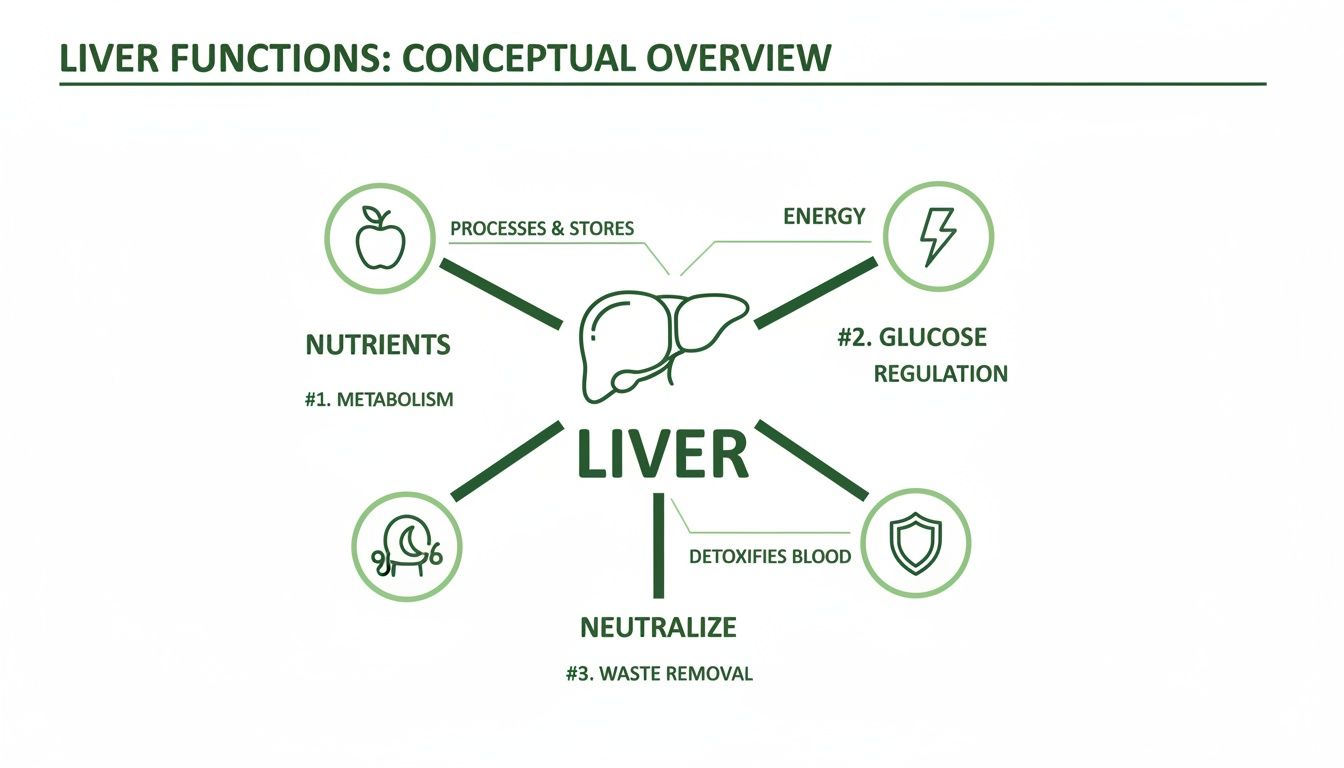
This diagram gives you a bird's-eye view of how the liver juggles everything from nutrients and energy to neutralizing toxins. It’s the body's central command for processing what you consume and protecting you from harmful substances.
When you see how interconnected these jobs are, it's easy to understand why a slowdown can impact nearly 25% of your body's functions all at once.
-
Abdominal Bloating: A drop in bile production can really mess with fat digestion, leaving you feeling gassy and uncomfortably full, even after a small meal.
-
Brain Fog: When your liver's filtration system gets backed up, unfiltered toxins can cross into the bloodstream and travel to your brain. This can leave you feeling confused, forgetful, and mentally sluggish.
-
Dark Urine: If your urine consistently looks dark amber or brownish, it can be an early sign that your liver is overloaded. This happens when excess bilirubin is excreted through your kidneys.
To help you connect these symptoms to their potential source, here's a quick guide.
Quick Guide to Your Body's Liver Health Signals
| Symptom | Potential Liver Connection | What It Could Mean for You |
|---|---|---|
| Itchy Skin | Bile salt deposits in the skin | Your detox process is sluggish, creating a backlog in the biliary system. |
| Afternoon Fatigue | Impaired nutrient metabolism | You're experiencing blood sugar dips and reduced cellular energy production. |
| Yellowing of Eyes | Bilirubin build-up | This is mild jaundice, signaling that your liver's clearance pathways are struggling. |
| Abdominal Bloating | Reduced bile acid output | Fat digestion is inefficient, leading to gas and discomfort after eating. |
| Brain Fog | Toxin accumulation | Unfiltered substances may be having a neurotoxic effect, dulling your focus. |
This table is a starting point, not a diagnostic tool. If you're seeing several of these signs, it’s a good idea to pay closer attention to your liver health.
Final Indicators You Shouldn’t Ignore
When these signs appear, your liver is sending a clear message that it needs help. Acting now can help you turn things around before they become more serious.
-
Unexplained Weight Gain: Is the number on the scale creeping up, especially around your middle, even though your diet and exercise habits haven't changed? A struggling liver can disrupt how your body metabolizes fat, causing it to accumulate.
-
New Skin Issues: Sudden acne breakouts or rashes can often be traced back to an overwhelmed detoxification system. When your primary elimination pathways are clogged, your body tries to push toxins out through your skin.
-
Digestive Upset: Since your liver produces the bile needed for healthy digestion, any slowdown can throw your gut microbiome out of whack. This can manifest as bloating, cramping, or irregular bowel movements.
-
Sudden Sensitivities: All of a sudden, you might find yourself reacting to foods, scents, or chemicals that never bothered you before. A compromised liver struggles to neutralize these compounds, which can trigger new intolerances.
If you’re nodding along and recognizing several signs from this list, it’s time to prioritize targeted liver support. While simple dietary changes are a great start, a focused supplement can help you see results faster.
Consider the USDA Organic Liver Cleanse, Detox & Repair Drops from Peak Performance. This formula combines time-tested organic herbs like milk thistle and dandelion into one convenient liquid.
Your Action Plan for a Happier Liver
It's about more than just cutting back on alcohol. By listening to your body and taking proactive steps, you can pave the way for better energy, sharper thinking, and lasting vitality.
Here are a few simple things you can start doing today:
-
Hydrate, Hydrate, Hydrate: Aim for at least eight glasses of water daily. It's essential for helping your body flush out the toxins your liver is working so hard to process.
-
Eat Liver-Friendly Foods: Load up on leafy greens, citrus fruits, and nuts. These foods are known to help stimulate bile production and provide antioxidants.
-
Be Mindful of Medications: Always talk to your doctor or pharmacist before starting any new medications or supplements to make sure they are safe for your liver.
Putting It All Together: Sarah's Story
Sarah, a busy project manager, started noticing persistent dry, itchy patches on her forearms during a particularly stressful quarter. Then, she caught a slight yellow tint in her eyes while getting ready one morning. Connecting the dots with this guide, she realized her liver was probably feeling the strain.
She committed to drinking more water, added a big salad to her lunch every day, and started taking the liver drops. Within four weeks, the itching was gone, and her afternoon energy slumps were a thing of the past.
Sarah’s story shows how small, consistent actions can make a real difference. Your body is unique, so track your progress and see what works for you. And remember, if you have any serious concerns, it’s always best to consult a healthcare professional to get a clear picture and a personalized plan.
In the next section, we’ll dive into the specific foods and nutrients that can give your liver the nourishment it craves.
Why a Healthy Liver Is Your Secret Weapon for Vitality
Recognizing the subtle signs of a sluggish liver is a critical first step. But let's shift the conversation. Taking care of your liver isn't just about damage control or fixing problems after they start—it's about proactively upgrading your entire system for peak performance. Think of a healthy liver as your body's secret weapon, powering everything from your energy levels and mental focus to how well you recover and fight off illness.
A well-functioning liver is the unsung hero behind your daily drive. It’s the master manager of the fuel your body runs on, making sure your muscles have a steady supply of energy for a workout and your brain has what it needs for a demanding workday. When your liver is in top shape, you feel sustained stamina and mental sharpness, not just those fleeting bursts of energy that end in a crash.
Unlock Your Performance Potential
For anyone who's active, from weekend warriors to serious athletes, optimal liver function provides a serious competitive edge. The liver is at the center of it all: it metabolizes protein for muscle repair, stores glycogen for quick energy, and clears out the metabolic waste that makes you feel tired. A healthy liver means you can recover faster, get more out of the food you eat, and push harder when it counts.
The same goes for professionals in high-stakes careers. That mental clarity and sustained focus you need to solve tough problems? It’s directly linked to how efficiently your liver is working. By neutralizing toxins, it protects your brain from the "fog" that can easily cloud judgment and slow you down.
Investing in your liver is a direct investment in your ability to perform, think, and feel your best every single day. It’s about building a foundation of resilience that supports all your other wellness goals.
Beyond Detox: Your Foundation for Well-Being
The whole idea of a "detox" often misses the point. Real liver health is an ongoing process, not a quick fix. It's about giving your body the consistent support it needs to handle the daily grind, from environmental pollutants to the metabolic demands of a busy life.
This proactive approach has never been more important. Fatty liver disease—now called steatotic liver disease (SLD)—has quietly become a global health issue, affecting nearly 40% of the population. The condition is tightly linked to metabolic dysfunction, which really drives home how crucial nutrition and preventative care are for your liver. You can explore more data about this alarming rise in liver disease to see why early support is so vital.
A strong liver also reinforces your immune system by producing essential proteins and helping to clear out pathogens. It helps balance your hormones, which in turn influences your mood and how you handle stress. When you prioritize liver support, you're not just cleaning a filter; you're fine-tuning the engine that drives your overall health. That’s why adding targeted support, like the botanicals in our USDA Organic Liver Cleanse, Detox & Repair Drops, can be such a powerful strategy. It gives your internal engine the key nutrients it needs to run smoothly, paving the way for more energy, sharper focus, and a true sense of vitality.
Nourish Your Liver with Powerful Foods and Nutrients
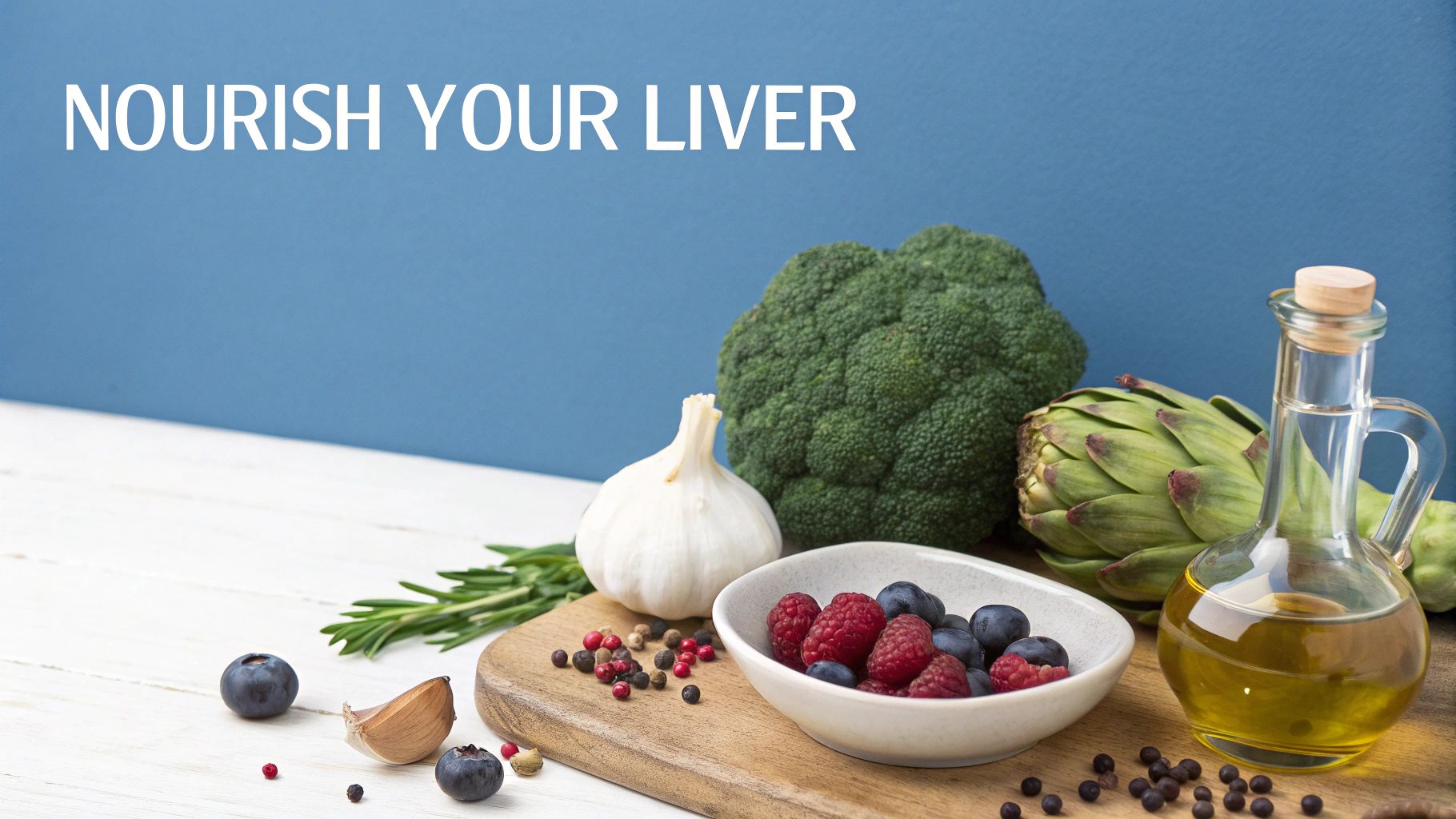
Now that we've covered why your liver is so vital, let's get into the practical side of things: how to take care of it. The best part is that the liver has an incredible capacity to respond to positive changes, and the single most impactful place to start is with your diet.
By consciously choosing foods packed with specific nutrients, you’re essentially giving your liver the exact raw materials it needs to juggle its hundreds of critical jobs. Think of it like equipping a master craftsperson with the finest tools available. Certain foods contain compounds that directly aid detoxification, cool inflammation, and protect liver cells from wear and tear. This isn't about restriction; it's about making strategic, powerful additions to your plate.
Building Your Liver-Friendly Plate
You don't need a complete overhaul overnight. Small, consistent tweaks to your daily meals can make a huge difference over time. The goal is to bring in more whole, unprocessed foods that are naturally full of antioxidants, fiber, and healthy fats.
Here are a few of the top contenders to start with:
- Cruciferous Vegetables: We're talking about broccoli, cauliflower, Brussels sprouts, and kale. They're loaded with a compound called sulforaphane, which helps flip the switch on the liver's natural detoxification enzymes, making it more efficient at neutralizing and clearing out toxins.
- Antioxidant-Rich Berries: Blueberries, cranberries, and raspberries are brimming with antioxidants known as anthocyanins. These compounds act like bodyguards for your liver cells, shielding them from the damage caused by unstable molecules called free radicals.
- Healthy Fats from Olive Oil: Reaching for cold-pressed extra virgin olive oil can actually help reduce the accumulation of fat in the liver. Its natural anti-inflammatory properties are a fantastic bonus for your liver and overall metabolic health.
On top of that, a healthy liver is your body's primary factory for producing its own master antioxidant, glutathione. You can support this process by including certain foods in your diet. To learn more, check out these helpful resources on Glutathione Rich Foods for Better Health.
The Power of Potent Herbs and Botanicals
Looking beyond the grocery aisle, certain herbs have been trusted for centuries—and are now backed by modern science—for their liver-supporting benefits. These botanicals offer a concentrated dose of active compounds, providing a more targeted approach to protect and even help regenerate liver cells.
The global rise in liver conditions brings a real sense of urgency to proactive care. In 2021 alone, the number of cases of cirrhosis and other chronic liver diseases hit a staggering 58.42 million, with 1.43 million deaths worldwide. These numbers highlight just how critical it is to find effective strategies to support liver health.
This is where smart supplementation can be a game-changer, delivering a potent dose of these beneficial compounds that would be difficult to get from food alone.
Key Herbs for Targeted Liver Support
When it comes to herbal support, three stand out from the pack for their well-documented ability to boost liver function:
- Milk Thistle: This is easily the most famous herb for liver health, and for good reason. Its active ingredient, silymarin, is a powerful antioxidant that helps shield liver cells from toxins and supports the organ's natural repair mechanisms.
- Dandelion Root: Traditionally known as a "liver tonic," dandelion root helps stimulate the flow of bile. Why does that matter? Because proper bile flow is absolutely essential for digesting fats and escorting waste out of the liver. If you're curious, you can take a deeper dive into the benefits of dandelion root supplementation.
- Artichoke Extract: This extract is another hero for bile production and can help protect the liver from damage. It also contains unique compounds that may encourage the regeneration of healthy liver tissue.
Bringing these foods and herbs into your routine creates a powerful, two-pronged strategy. The food builds a strong, resilient foundation day by day, while the targeted herbs provide an extra layer of defense and support. For a simple, all-in-one approach, our USDA Organic Liver Cleanse, Detox & Repair Drops combine these powerhouse botanicals into a pure, potent formula designed for the demands of modern life.
Simplify Your Routine with Targeted Organic Liver Support
Making liver-friendly diet changes is a fantastic first step, but let's be honest—life gets hectic. Trying to find high-quality organic herbs and figure out how to work them into your daily life can feel like a chore in itself. For anyone looking for a powerful yet simple way to get these botanicals, a targeted liquid supplement can be a game-changer.
This is all about giving your liver direct support without having to completely rearrange your schedule. It’s a way to work smarter, not harder, toward your health goals.
Why an Organic Liquid Formula Makes Sense
We formulated our USDA Organic Liver Cleanse, Detox & Repair Drops with busy people in mind—those who don't want to compromise on their health. The whole idea was to deliver a concentrated blend of nature’s best liver-supporting herbs in a format that's incredibly easy to use.
That USDA Organic seal is your guarantee of quality. It means every single ingredient is grown and processed without synthetic pesticides, herbicides, or GMOs. When you're focusing on your body's main detox organ, the last thing you want to do is add to its workload with unwanted chemicals.
Here’s a look at the formula we created to provide clean, targeted liver support.
Our commitment is to pure, certified organic ingredients that work in harmony to nourish and protect your liver.
A Synergistic Blend for Maximum Impact
This isn't just a random assortment of herbs thrown together. It’s a synergistic blend where each ingredient is chosen to amplify the effects of the others. You'll find the very herbs we've been talking about—milk thistle, dandelion, and artichoke—all celebrated for their impressive benefits. If you're curious about how these work, our guide on using dandelion for a liver cleanse dives deep into the science behind this traditional powerhouse.
- Milk Thistle: Think of this as a bodyguard for your liver cells, helping shield them from the stress of everyday life.
- Dandelion Root: This one supports healthy bile production, which is crucial for good digestion and getting rid of waste.
- Artichoke Extract: Works hand-in-hand with dandelion to encourage bile flow and assist the liver's natural ability to repair itself.
It's best to think of a formula like this not as a substitute for a healthy lifestyle, but as a powerful tool to boost your efforts. It delivers the specific, concentrated nutrients your liver needs to function at its best in a world full of modern challenges.
By simply adding a few drops to water or juice each day, you're taking a small, consistent step toward better liver health. It's a manageable habit that provides significant, targeted liver support, helping you feel more vibrant and resilient from the inside out.
Essential Lifestyle Habits for a Thriving Liver
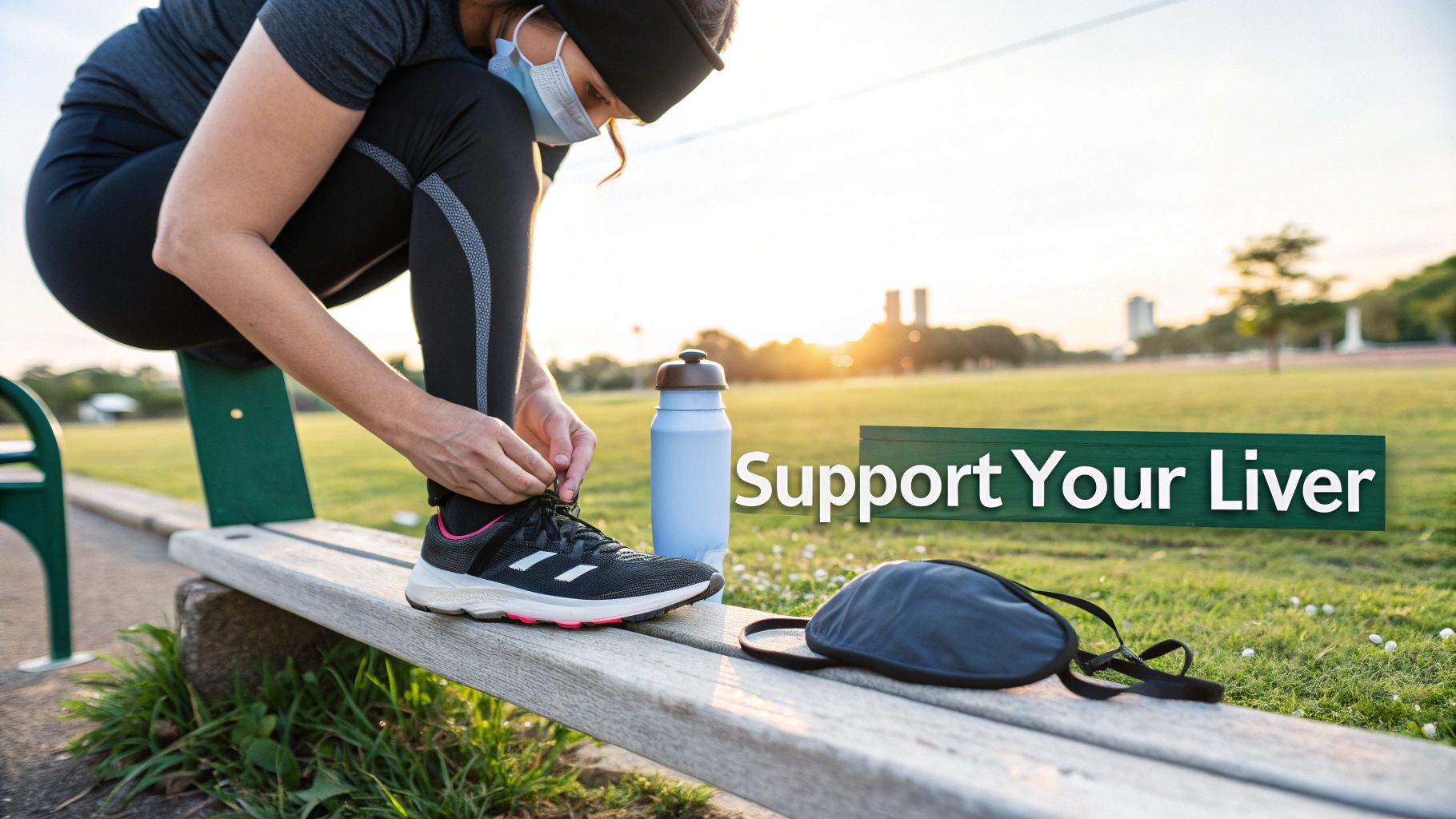
While smart nutrition and powerful supplements like our USDA Organic Liver Cleanse, Detox & Repair Drops are key players, genuine liver support doesn't stop there. It’s also about the bigger picture—the daily choices we make. How you move, what you drink, and how you handle stress create the environment where your liver will either struggle or thrive.
Think of these lifestyle habits as essential maintenance for your body's engine. A clean diet is the premium fuel, but regular movement, proper hydration, and deep rest are what keep that engine running smoothly for years to come.
Move Your Body to Help Your Liver
Getting active is one of the most effective ways to look after your liver, especially when it comes to fighting off fat accumulation. When you exercise, your body taps into triglycerides for fuel, which directly helps reduce the fat stored in your liver cells.
This isn't about becoming a marathon runner overnight. Even moderate, consistent activity makes a huge difference.
- Brisk Walking: Just 30 minutes on most days of the week can improve your body's insulin sensitivity and boost your metabolic health.
- Strength Training: Building more muscle improves how your body manages blood sugar, which takes a significant burden off your liver.
- Yoga or Stretching: These practices are great for lowering stress hormones like cortisol. When cortisol is chronically high, it can actually contribute to liver fat.
The real goal here is to make movement a non-negotiable part of your routine. Find an activity you genuinely enjoy, whether it’s hiking, dancing, or cycling, and stick with it. Consistency will always beat intensity.
Hydration and Toxin Awareness
Staying well-hydrated is fundamental for pretty much every function in your body, but it’s absolutely critical for your liver's detoxification work. Water is the vehicle that flushes out the toxins your liver has worked so hard to neutralize, carrying them to the kidneys for removal. If you're dehydrated, that entire process grinds to a halt, creating a backlog that puts serious strain on your liver.
Beyond what goes in your body, it’s also smart to think about what goes on it. Many common household items, from cleaning sprays to lotions, contain chemicals your liver has to process. Lightening its load can be as simple as making a few conscious swaps, like choosing natural cleaning products or fragrance-free personal care items.
This proactive mindset has never been more important. Globally, liver disease mortality rates are a growing concern. In England, for example, deaths tragically climbed to 10,521 in 2021 from 9,218 in 2019, with many of these cases linked to preventable causes. You can discover more insights about these public health trends to understand just how urgent preventative care is.
The Critical Role of Sleep and Stress Management
Never, ever underestimate the power of a good night's sleep. When you’re in a deep sleep, your body shifts into repair mode, and your liver is right there on the front lines, performing much of its detoxification and healing work. Skimping on sleep chronically disrupts these vital cycles, which can lead to inflammation and put more stress on the liver.
In the same way, chronic stress keeps your body locked in a "fight or flight" state, flooding your system with hormones that can trigger inflammation and encourage fat storage in the liver. Making stress management a daily practice is a direct form of liver support. Whether you find your calm through meditation, deep breathing exercises, or just spending quiet time in nature, finding healthy ways to unwind is vital for your liver and your overall sense of well-being.
Your Top Questions About Liver Support Answered
When you start digging into how to better support your liver, a lot of questions tend to pop up. That’s a good thing. Getting clear on the fundamentals helps you stay motivated and confident in the changes you’re making. Let’s tackle some of the most common questions we get about real-world liver support.
How Long Does It Take to Improve Liver Health?
This is the big one, and the honest answer is: it depends. Everyone's body is on its own timeline. However, many people start to feel a real difference—like more energy and sharper thinking—within just a few weeks of making liver-friendly changes.
Your liver has a remarkable ability to heal and regenerate, but you have to give it the right tools consistently. Think of this as a long-term commitment to your health, not a quick, one-and-done fix. The most profound, lasting benefits come from sustained effort over time through your diet, lifestyle, and smart supplementation.
Should I Take a Liver Support Supplement If I Feel Healthy?
Absolutely. In fact, that's one of the best times to start. Being proactive about your liver health is one of the smartest investments you can make in your overall well-being.
Every single day, our livers are bombarded with challenges from our environment—pollutants in the air, pesticides in food, and chemicals in everyday products. Giving your liver targeted nutrients, especially from a high-quality organic formula, helps it keep up with these demands. It’s a great way to build resilience and keep your body's main filter running smoothly, even when you feel perfectly fine.
The goal isn't just to fix problems—it's to build a foundation of health that helps prevent them from starting in the first place. Proactive liver support is an investment in your future vitality.
What Is the Single Most Important Lifestyle Factor for My Liver?
While diet is a huge piece of the puzzle, if I had to pick just one thing, it would be maintaining a healthy weight. Excess body weight, especially the fat that accumulates around your midsection, is the number one driver of non-alcoholic fatty liver disease (NAFLD), a condition that’s skyrocketing.
The best way to manage your weight and reduce the fat burden on your liver is through a one-two punch: consistent physical activity combined with a diet centered on whole foods. This approach lightens your liver’s workload dramatically, freeing it up to do its hundreds of other jobs more effectively. If you want to dive deeper into how you can truly rejuvenate this incredible organ, you won't want to miss our liver masterclass podcast episode.
At Peak Performance, we are committed to providing the purest, most effective tools to support your wellness journey. Our USDA Organic formulas are designed to help you achieve your health goals with confidence.
Give your body the targeted liver support it deserves with our USDA Organic Liver Cleanse, Detox & Repair Drops.
Also in Blog


Top 10 Reasons Organic Passionflower Beats Melatonin


First Milking Colostrum vs Whey Protein for Smoothies

