


How to Improve Gut Health Naturally
Feeling sluggish, bloated, or just a bit off? Your gut is probably trying to tell you something.
That persistent fatigue or digestive weirdness isn't a life sentence. The real key to feeling your best lies in nurturing your gut microbiome—that complex community of trillions of bacteria in your digestive tract.
Forget complicated diets and quick fixes. True, lasting gut health comes down to making simple, natural choices every day. This guide is your roadmap. We're cutting through the noise to give you practical strategies that actually work.
Your Journey to Natural Gut Health Starts Here
To really move the needle on your gut health, you need to understand the main players. Think of it like tending a garden—you need the right seeds, fertilizer, and conditions for things to flourish.
The Pillars of Gut Wellness
A healthy gut is all about balance and synergy. Getting a handle on these three key elements will make everything else fall into place.
- Prebiotics: These aren't bacteria themselves, but the food that fuels your good gut bugs. Think of them as specialized fibers that your body can't digest, so they travel down to your colon to feed the beneficial microbes waiting there.
- Probiotics: These are the "good guys"—the live beneficial bacteria that you want more of. Consuming them through certain foods or supplements helps reinforce your gut's natural defenses and maintain a healthy microbial balance.
- Polyphenols: Found in colorful plant foods, these antioxidant compounds are a gut health double-whammy. They feed your good bacteria and help keep the less desirable microbes in check.
This isn't just a niche health trend anymore. The demand for gut-friendly foods has exploded. A global consumer survey found that around 75% of people are actively looking for products that boost their digestive wellness. It’s clear people are waking up to the fact that a happy gut is the foundation of a healthy life.
The connection between our digestive system and overall health is profound. As Functional Medicine Dr. Joe Mather explains, many common health issues can be traced back to the gut, making its care a top priority.
For a deeper dive, check out our conversation on why your gut is the cause of most health issues.
To pull it all together, here’s a quick breakdown of how these components work in harmony.
Foundations of Natural Gut Health
| Element | What It Is | Primary Role in the Gut |
|---|---|---|
| Prebiotics | Non-digestible fibers from plants like onions, garlic, and bananas. | Act as food for beneficial probiotic bacteria, helping them thrive. |
| Probiotics | Live beneficial bacteria found in fermented foods like yogurt and kimchi. | Reinforce the population of good bacteria to support digestion and immunity. |
| Polyphenols | Antioxidant compounds in berries, green tea, and dark chocolate. | Nourish good microbes and help inhibit the growth of harmful ones. |
Understanding these foundations is the first step. Now, let's get into the practical strategies you can use to put this knowledge into action.
The Gut-Brain Connection and Your Overall Wellbeing
Ever get "butterflies" in your stomach before a big presentation? Or that "gut-wrenching" feeling when you hear bad news? That’s not just in your head. It’s your gut and brain talking to each other through an intricate communication network called the gut-brain axis.
This constant back-and-forth chatter is a huge piece of the puzzle when it comes to improving your gut health naturally. Your digestive system does so much more than just process your last meal—it profoundly influences your mood, how you handle stress, and even how clearly you think.
Think about it this way: a huge chunk of your body's neurotransmitters—the chemical messengers that run your brain—are actually made in your gut. In fact, a staggering 90% of your serotonin, the famous "feel-good" hormone, is produced in your digestive tract.
So, when your gut microbiome is out of whack, it can throw off this delicate chemical factory. If the less-friendly bacteria start to outnumber the good guys, it can directly mess with your mental state, contributing to that all-too-familiar brain fog, low mood, or feelings of anxiety.
Your Immune System's Headquarters
Your gut isn't just a second brain; it's also the command center for your entire immune system. Around 70% of your immune cells are located right there in your gut, specifically in something called the gut-associated lymphoid tissue (GALT).
This isn't a coincidence. It's a brilliant bit of biological design. Placing your immune army at the main port of entry allows your body to constantly screen what's coming in, sorting helpful nutrients from harmful invaders.
A healthy gut microbiome is your first line of defense. The beneficial bacteria reinforce your gut lining, preventing toxins and undigested food particles from leaking into your bloodstream (a condition you might have heard of called "leaky gut"). They also "talk" to your immune cells, helping to manage inflammation and keep your defenses smart and strong.
This infographic breaks down that incredible pathway, showing how your gut communicates with your brain to shape both your mood and your immunity.
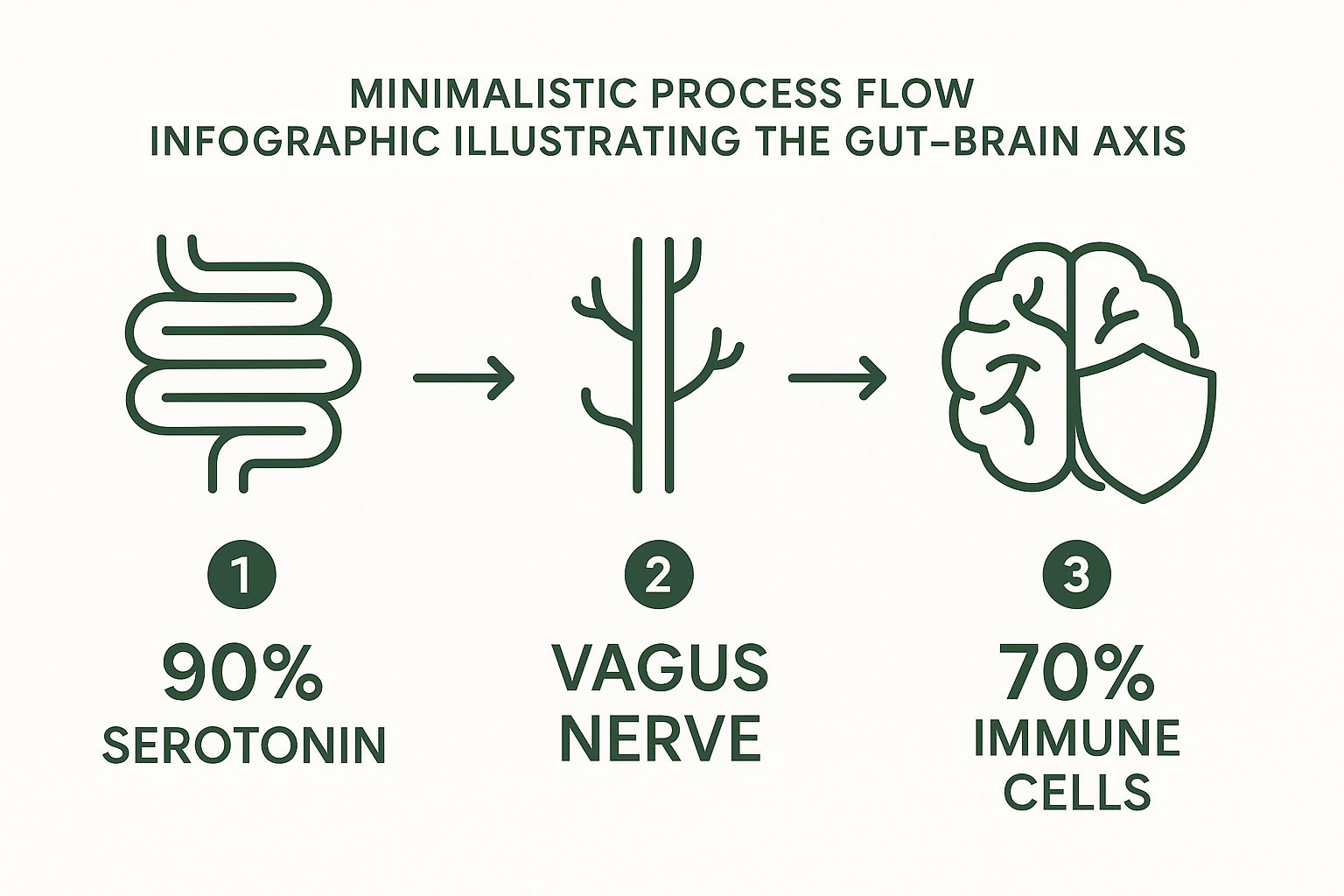
As you can see, it all starts in the gut—from serotonin production to the vagus nerve communication highway and the massive concentration of immune cells.
The Bigger Picture: Long-Term Health
The ripple effects of a healthy gut go far beyond your day-to-day mood and energy levels. We're now seeing a wave of research connecting the state of our microbiome to our long-term health. Chronic inflammation, which often has its roots in gut imbalances, is a known driver of countless health problems down the road.
"When our gut microbiome is optimal, it keeps us healthy. When our microbiome is out of balance... it can lead to significant downstream effects, contributing to not just digestive problems but broader health concerns, too."
This is why looking after your gut isn't just about beating bloat. It's about building a fundamentally resilient body and mind that will serve you for years to come.
The science here is moving at an incredible pace. For instance, the Human Gut Microbiome Atlas, a massive global study led by King’s College London, is mapping out which gut bacteria are linked to 23 different diseases across 19 countries. This is incredible work that's helping researchers pinpoint the connections between gut issues and conditions like type 2 diabetes, depression, and Crohn's Disease. You can discover more about these global gut health findings and see for yourself how this research is changing medicine.
Bottom line? Caring for your gut is one of the single most powerful things you can do for your vitality. It's a proactive strategy for a clearer mind, a stronger immune system, and a healthier future, built from the inside out.
Nourish Your Microbiome With the Right Foods
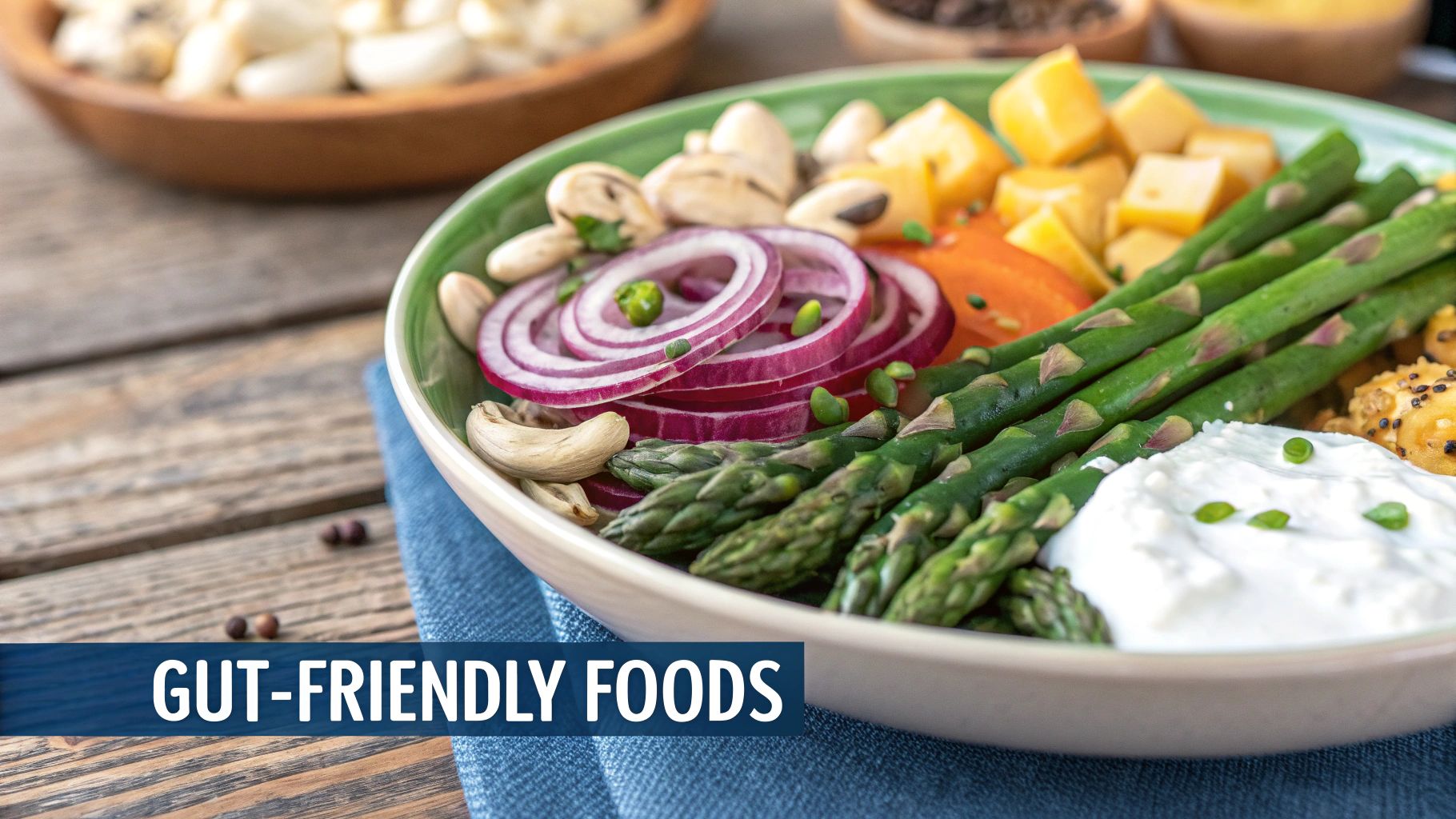
When it comes to shaping your gut microbiome, food is your most powerful tool. It's a direct line of communication. What you put on your plate every day either feeds the beneficial bacteria that keep you firing on all cylinders or fuels the less-desirable microbes that can cause trouble down the line.
Let's get past the generic advice. To really move the needle, you need to understand two key players: prebiotics and probiotics.
Think of your gut as a garden. Probiotics are the seeds (the good bacteria), and prebiotics are the fertilizer (the food that helps those seeds grow and flourish). You need a steady supply of both for a thriving internal ecosystem.
Feed Your Gut With Prebiotic-Rich Foods
Prebiotics are a special kind of fiber your body can't digest. Instead, they make their way down to your large intestine, where they become a gourmet meal for your good gut bacteria.
As these microbes feast on prebiotics, they produce incredible compounds like short-chain fatty acids (SCFAs). These are gold for your gut, helping to strengthen the gut lining and cool off inflammation.
Getting more prebiotics is probably easier than you think. Many common foods are packed with them:
- Garlic and Onions: These kitchen workhorses are fantastic sources. Sautéing them as a base for just about any savory dish is an easy win.
- Asparagus: Roasted, grilled, or steamed, asparagus delivers a solid dose of prebiotics.
- Bananas (especially slightly green ones): That greenish tint means they're higher in resistant starch, a specific type of prebiotic fiber your gut microbes go wild for.
- Oats: A simple bowl of oatmeal is one of the most comforting and effective ways to fuel your good bacteria.
If you want to take it a step further, learning how to grow garlic at home is a great project. There's nothing like having a fresh, potent prebiotic source right at your fingertips.
Reinforce Your Gut With Probiotic Sources
Probiotics are the live, beneficial bacteria themselves. Eating them directly reinforces the good guys in your gut. While supplements have their place, a food-first approach is always a great strategy, and fermented foods are the best natural sources out there.
Just be sure to look for labels that say "live and active cultures" to make sure you're getting what you pay for.
- Yogurt: Go for plain, unsweetened yogurt. The flavored kinds are often loaded with sugar, which can unfortunately feed the exact bacteria you're trying to manage.
- Kefir: Think of it as a supercharged, drinkable yogurt. It often contains an even wider variety of beneficial bacteria and yeasts.
- Kimchi and Sauerkraut: These fermented cabbage dishes are true probiotic powerhouses and add a delicious, tangy flavor to your meals.
- Miso: This traditional Japanese fermented soybean paste is perfect for making incredible soups, marinades, and glazes.
Remember, consistency trumps quantity. Adding a small amount of fermented food to one meal a day is far more effective than eating a huge portion once a week. This steady supply helps maintain a balanced and happy microbial community.
Why Plant Diversity Is Non-Negotiable
If you only remember one thing from this guide, make it this: eat a wide variety of plants.
Different gut bacteria thrive on different types of plant fibers. The more diverse your plant intake, the more diverse and resilient your microbiome becomes. A diverse microbiome is a strong microbiome—one that's better equipped to handle stress and support your overall health.
In fact, one landmark study found that people who ate 30 or more different plant types per week had a dramatically more diverse gut microbiome than those who ate 10 or fewer. This isn't as daunting as it sounds. You don't need to buy 30 different vegetables at the store each week.
Making Plant Diversity Practical
| Food Category | Simple Swaps and Additions |
|---|---|
| Vegetables | Instead of just romaine, try a salad mix with spinach, arugula, and radicchio. |
| Fruits | Toss a handful of mixed berries into your oatmeal instead of just one type of fruit. |
| Grains | Swap white rice for quinoa, farro, or barley in your next meal. |
| Legumes | Add a mix of beans—like black, kidney, and chickpeas—to your chili or salads. |
| Nuts & Seeds | Make your own trail mix with almonds, walnuts, pumpkin seeds, and chia seeds. |
If you're looking for a simple way to boost your fiber intake on busy days, a high-quality supplement can be a great tool. You can learn more about the benefits of using an organic inulin powder to help you hit your gut health goals.
By focusing on feeding your good microbes and eating the rainbow, you're building a powerful foundation for a healthier gut and a healthier you.
Lifestyle Habits That Shape Your Gut Health

While the food on your plate is a massive piece of the puzzle, it's far from the whole story. Your daily rhythm—how you manage stress, how deeply you sleep, how you move your body—creates the internal environment where your microbiome either thrives or just gets by. Learning how to improve gut health naturally means looking well beyond the kitchen.
Your gut is incredibly tuned in to your emotional and physical state. When you're constantly stressed or sleep-deprived, your body pumps out hormones that can directly mess with the balance of your gut bacteria, compromise your gut lining, and fire up inflammation. Let’s get into three critical lifestyle areas that have a huge impact.
Master Your Stress Response
Chronic stress is a gut microbiome’s worst enemy. When you're stuck in "fight-or-flight" mode, your body literally pulls resources away from digestion and floods your system with cortisol. This stress hormone is known to suppress beneficial bacteria like Lactobacillus and roll out the red carpet for less-desirable microbes to take over.
This isn't just a feeling; it’s a physiological reality. The gut-brain axis is a two-way superhighway, and non-stop stress signals can wreak havoc on microbial balance and even slow digestion, leading to real symptoms like bloating and discomfort.
The good news? Simple, consistent stress-management habits can make a world of difference.
- Mindful Breathing: Just five minutes of deep, belly breathing can flip the switch from a stressed state to a "rest-and-digest" state. Try it: Inhale slowly for a count of four, hold for four, and exhale for a count of six.
- Time in Nature: Seriously. Spending as little as 20 minutes in a park or any green space can tangibly lower cortisol levels. It's a free and ridiculously effective way to reset both your mind and your digestive system.
- Mindfulness or Meditation: A regular practice doesn't eliminate stress, but it builds your resilience to it, stopping daily pressures from derailing your gut health.
Prioritize Deep, Restorative Sleep
Sleep is prime time for your body’s repair crew, and your gut is a major focus of their work. Skimping on quality sleep can throw your microbiome's rhythm completely out of whack, disrupting the delicate community of microbes working on your behalf.
Even just a few nights of bad sleep can shift your gut bacteria in a way that promotes inflammation and insulin resistance. Your circadian rhythm isn't just about being awake or asleep; your gut microbes have their own daily schedule. When you disrupt it with erratic sleep, you throw their essential work off-kilter.
Your gut is a creature of habit. Establishing a consistent sleep routine is one of the most powerful, non-dietary actions you can take to support a stable and diverse microbiome.
Improving your sleep hygiene isn't just about feeling more rested—it's a direct investment in your gut.
Simple Steps for Better Sleep
- Stick to a Schedule: Try to go to bed and wake up around the same time every day, even on weekends. This is the single best way to reinforce your body's internal clock.
- Create a Sanctuary: Your bedroom should be an oasis. Think blackout curtains, a cool temperature, and no clutter. You're signaling to your body that this space is for rest.
- Power Down Screens: The blue light from phones, tablets, and laptops can tank your melatonin production. Put all screens away at least an hour before you plan to sleep.
Find Your Movement Sweet Spot
Physical activity is another potent tool for gut health, but the key is finding the right balance. Moderate, consistent exercise is fantastic for your microbiome. It gets things moving (if you know what I mean), increases the diversity of your good gut bugs, and helps them produce more of those incredible short-chain fatty acids.
Research has shown that even light aerobic activity helps cool off inflammatory markers in the gut. A brisk walk, a casual bike ride, or a yoga session can all nurture a healthier microbial community.
But there’s a catch: it's crucial not to overdo it. Pushing your body to its limits with constant, high-intensity workouts can become a major physical stressor, potentially increasing gut permeability and inflammation—the very things you’re trying to avoid.
The goal is sustainable movement you actually enjoy, not total exhaustion. Listen to your body. Consistency beats intensity every time when it comes to long-term benefits for your fitness and your gut. And to really dial things in, learning how to keep an effective food diary is an invaluable skill for connecting the dots between what you eat, how you live, and how you feel.
Using Supplements to Support Your Gut
While building a gut-friendly plate is your number one strategy, sometimes you just need a little extra reinforcement. The right supplements can act as powerful allies, offering targeted support where diet alone might fall short.
Think of them not as a replacement for good nutrition, but as a way to accelerate and fine-tune your progress on the path to better gut health.
Navigating the supplement aisle can feel overwhelming, but a few key players consistently rise to the top. Let's break down the most effective options so you can make confident choices.
Probiotics: The Beneficial Bacteria Boost
Probiotics are the most well-known gut supplements, and for good reason. They are live, beneficial bacteria that directly reinforce your gut’s microbial population. This is especially useful after a round of antibiotics, during periods of high stress, or if your diet has been less than ideal for a while.
When choosing a probiotic, the details on the label matter. A lot. Don't just grab the first bottle you see.
- Look for Specific Strains: General terms like "probiotic blend" aren't enough. You want well-researched strains like those from the Lactobacillus and Bifidobacterium families. Different strains offer different benefits, so a multi-strain formula is often a great choice.
- Check the CFU Count: CFU stands for Colony-Forming Units, which tells you how many live bacteria are in each dose. A good starting point for general support is typically between 10 to 20 billion CFUs, but higher counts can be beneficial for specific issues.
- Mind the Storage: Some probiotics need to be refrigerated to keep the bacteria alive. Always check the label for proper storage instructions to ensure you're actually getting a potent product.
Prebiotics and Synbiotics: Fueling the Good Guys
If probiotics are the seeds, prebiotics are the fertilizer. These are specific types of fiber that your good bacteria absolutely love to eat. While you get them from foods like garlic, onions, and asparagus, a prebiotic supplement can ensure your microbes get a consistent, high-quality food source.
This is where the concept of synbiotics comes in. A synbiotic is a smart combination of both probiotics and prebiotics in a single supplement. This approach is highly effective because it delivers beneficial bacteria and the fuel they need to thrive and set up shop in your gut.
This synergy makes for a much more powerful and efficient supplement. For a detailed guide, you can explore the benefits of the best synbiotic supplement for women and see how this combination works in the real world.
Other Key Players for Gut Support
Beyond probiotics and prebiotics, several other supplements can offer remarkable benefits for your digestive system. These are often used to address more specific concerns, from strengthening the gut wall to soothing irritation.
"I really try to encourage people to support their gut health by eating a healthy diet rather than relying on expensive supplements." - Dr. Rachel Schiesser, Gastroenterologist.
Dr. Schiesser’s food-first approach is key. Supplements should always be targeted support, not the foundation.
Here are a few other players worth knowing about:
Targeted Gut Support Supplements
| Supplement | Primary Benefit | Best For |
|---|---|---|
| Digestive Enzymes | Help break down fats, proteins, and carbs more efficiently. | Individuals who experience bloating or gas immediately after eating certain foods. |
| L-Glutamine | An amino acid that serves as a primary fuel source for cells in the gut lining. | Supporting the integrity of the gut barrier and helping to repair a "leaky gut." |
| Soothing Herbs | Peppermint oil and ginger have natural properties that can calm an upset stomach. | Easing symptoms like cramping, nausea, and indigestion in the short term. |
Ultimately, choosing the right supplements is about understanding your unique needs. Start with a solid foundation of a diverse, plant-rich diet. Then, if you need extra support, you can thoughtfully add a high-quality probiotic, prebiotic, or another targeted supplement to help you feel your absolute best.
Common Questions About Natural Gut Health
Diving into a journey to naturally heal your gut is exciting, but it almost always kicks up a few questions. That's a great sign—it means you’re thinking critically and are ready to make some real changes. To help you navigate the process, we've answered some of the most common questions we get.
How Long Does It Realistically Take to Improve Gut Health
There’s no single answer here, because your microbiome is as unique as your fingerprint. Some people feel a difference—like less bloating or more energy—within a few days of cleaning up their diet. That initial relief often comes from cutting out inflammatory foods and upping the fiber.
But for a deep, lasting change in your gut bacteria? That takes time and consistency. Think of it like tending a garden, not flipping a switch. You're nurturing an entire ecosystem. Generally, you can expect to see more significant, lasting improvements over several weeks to a few months.
Things like your starting point, how diverse your diet is, your stress levels, and even how well you sleep all play a role. The goal isn't an overnight miracle; it's steady, sustainable progress. Patience is your best friend here.
Can I Improve My Gut Without Probiotic Supplements
Absolutely. While supplements can be a helpful tool, a food-first approach is always the most powerful place to start. You can absolutely build a robust, resilient microbiome with diet and lifestyle changes alone.
The real key is loading up your plate with a wide variety of prebiotic-rich plant foods. We're talking vegetables, fruits, legumes, and whole grains. These foods provide the fuel your existing good bacteria need to thrive. This is the bedrock of how to improve gut health naturally.
And don't forget about fermented foods. Things like yogurt, kefir, sauerkraut, and kimchi are fantastic for introducing new, beneficial bacteria into your system. Supplements can offer a more targeted boost, especially if you're dealing with a specific issue, but a well-planned diet is a powerful strategy all on its own.
Is It Normal to Feel Worse Before I Feel Better
Yes, this can definitely happen, and it’s surprisingly common. When you start adding more fiber or introducing fermented foods, your microbiome begins to shift. This can create a temporary adjustment period where you might feel a bit gassy or bloated.
Believe it or not, this is often a sign that you’re on the right track. You're feeding different bacteria, and the whole community is reorganizing. As the good guys multiply and the less-desirable microbes die off, it can cause some digestive chatter.
This temporary phase is a common part of the process. To minimize discomfort, the key is to introduce new foods gradually. Start with small portions and slowly increase your intake over a couple of weeks to give your system time to adapt.
If your symptoms are severe or don't let up after a week or two, it’s always smart to check in with a healthcare professional. But for most people, a little initial turbulence is just a sign that your gut is on its way to finding a new, healthier balance.
At Peak Performance, we believe that true health is built from the inside out. While a food-first approach is non-negotiable, our carefully formulated supplements can give you the targeted support needed to hit your wellness goals. Discover our full range of USDA organic superfoods and supplements designed to help you feel your absolute best.
Explore our products at https://buypeakperformance.com today.
Also in Blog


Fuel Up: Top 10 Smoothies with Plant Protein Powder for 2026


Breathe Easier: Top 10 for Respiratory Health

