


How to Increase Nutrient Absorption: Expert Tips You Need
You are what you absorb, not just what you eat.
This is a subtle but powerful distinction. To really move the needle on your health, you have to shift your focus from just piling healthy food on your plate to ensuring your body can actually use the nutrients you're giving it.
The real solution is a multi-pronged approach: optimizing your gut health, being smart about food pairings, and adopting daily habits that set your digestive system up for success.
Your Diet Is Only Half the Story
It’s easy to think that a beautiful, nutrient-dense meal automatically translates to a healthy body. But the truth is, what you eat is only the input. The real magic happens with nutrient absorption—your body’s ability to break down, take up, and actually utilize the vitamins and minerals from your food.
Think of your digestive system as a highly selective gatekeeper. Just because you send a five-star meal its way doesn't guarantee all the good stuff gets in. What happens after you swallow is what truly counts.
From Plate to Cell
That journey from your fork to your cells is surprisingly complex. A perfectly balanced meal can completely miss the mark if your internal environment isn't ready for it. Several things can throw a wrench in the works:
- Poor Gut Health: If your gut microbiome is out of whack, it simply can’t break down food properly.
- High Stress Levels: Chronic stress isn't just a mental issue; it can actively slow down or even halt your digestive processes.
- Bad Food Combinations: Some foods have compounds that literally block the absorption of key minerals in other foods.
Shifting your mindset from eating well to absorbing well is a game-changer. The aim is to create an internal ecosystem where the iron from your spinach and the magnesium from your almonds are fully bioavailable, turning every meal into real, cellular-level fuel.
It's about building a foundation that allows your body to make the most of every single bite. Nothing goes to waste.
Fortunately, we've made some incredible progress on this front globally. Public health initiatives focused on improving food quality and sanitation have led to a staggering 54.9% drop in nutritional deficiencies worldwide between 1990 and 2021. This shows just how much our environment impacts our ability to absorb nutrients. Of course, major regional gaps still exist, but the trend is promising. You can learn more about these global nutrition findings in this recent study.
To get a clearer picture, it helps to see the key players that can either help or hinder your body’s ability to absorb what you eat.
Key Factors That Enhance or Inhibit Nutrient Absorption
This table gives a quick rundown of the internal and external factors that directly impact how well your body can absorb nutrients from your food.
| Enhancing Factors | Inhibiting Factors |
|---|---|
| Healthy Gut Microbiome | Gut Dysbiosis (Imbalance of gut bacteria) |
| Adequate Stomach Acid (HCl) | Low Stomach Acid |
| Digestive Enzymes | Enzyme Deficiencies |
| Mindful Eating (Chewing thoroughly) | Stress and Rushed Eating |
| Proper Food Pairings (e.g., Vitamin C with Iron) | Antinutrients (Phytates, Oxalates) |
| Hydration (Water helps transport nutrients) | Dehydration |
| Regular Physical Activity | Certain Medications (e.g., Antacids) |
| Sufficient Sleep | Chronic Inflammation |
As you can see, absorption isn't just about the food itself. It’s a holistic process influenced by everything from your stress levels and sleep quality to how well you chew your food. The good news is that you have a significant amount of control over these factors.
Unlock Nutrients with Smart Food Pairing
Think of nutrients as a team. Sure, each player has its own strengths, but they really shine when they work together with the right partners. This idea, called food synergy, is one of the easiest and most powerful ways to get more out of your food without overhauling your entire diet. It’s all about making the food you already eat work that much harder for you.
You don’t need a degree in nutrition to pull this off. It often boils down to classic food combinations you probably already love.
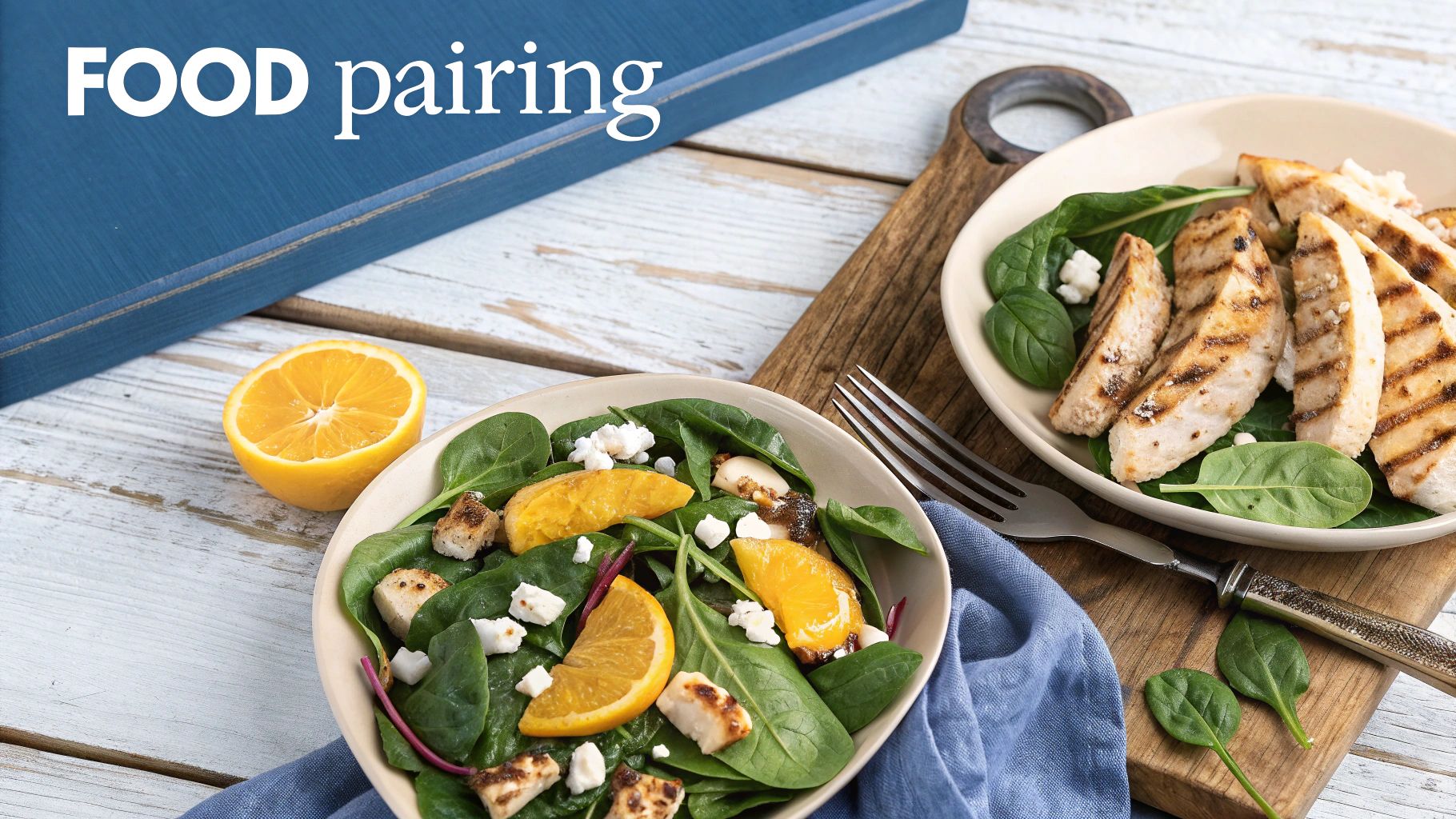
Take the non-heme iron found in plant-based foods like spinach and lentils. It’s notoriously difficult for our bodies to absorb on its own. But if you pair it with a good source of Vitamin C—like a squeeze of lemon juice over your lentil soup or adding some bell peppers to a spinach salad—you can boost that iron absorption by up to six times.
This infographic really drives home how a healthy gut—supported by things like ferments and yogurts—is the foundation for making all of this work.
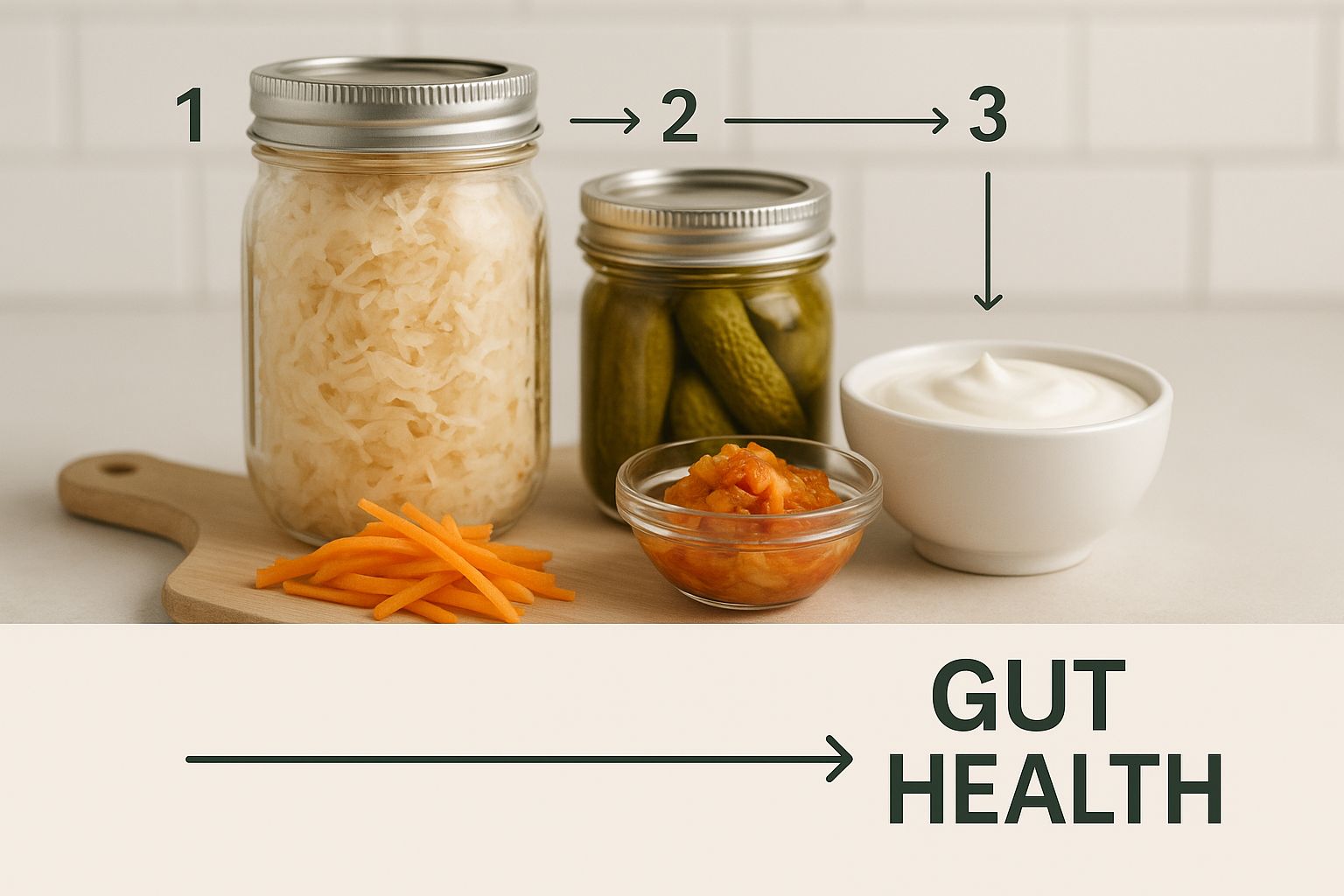
When you create a thriving internal environment first, these smart food combinations can actually deliver on their potential.
Harnessing Healthy Fats for Vitamin Uptake
Another killer combo involves healthy fats and fat-soluble vitamins. Vitamins A, D, E, and K are all "fat-soluble," which means they need fat to be absorbed from your gut into your bloodstream. Without that fatty escort, these crucial nutrients can pass right through your system without ever being used.
This is exactly why that fat-free salad dressing might be doing you a disservice. Your big bowl of leafy greens is loaded with vitamins A and K, but you need some fat to actually unlock them.
A simple drizzle of extra virgin olive oil over your salad, or tossing in some avocado slices, gives you the healthy fats needed to ensure you're absorbing those critical vitamins, not just chewing on them.
Practical and Delicious Nutrient Pairs
Putting this into practice is way easier than it sounds. You can turn your everyday meals into super-efficient nutrient-delivery systems with just a few small tweaks.
Here are some of my favorites:
- Turmeric and Black Pepper: The active compound in turmeric, curcumin, has incredible anti-inflammatory benefits, but it’s absorbed very poorly. Just add a pinch of black pepper, which contains piperine, and you can boost curcumin absorption by a staggering 2,000%.
- Tomatoes and Olive Oil: Cooking tomatoes with a healthy fat like olive oil dramatically increases the bioavailability of lycopene, a potent antioxidant tied to better heart and skin health.
- Green Tea and Lemon: The catechins in green tea are fantastic antioxidants, but our bodies struggle to absorb them. A splash of lemon juice helps stabilize the catechins, allowing your body to soak up significantly more.
- Whole Grains and Alliums: Pairing whole grains like brown rice with garlic or onions can make the zinc and iron in the grains more available for your body to actually use.
These strategies are all part of a bigger picture—an approach to eating that prioritizes nutrient density and bioavailability. For a really fascinating deep dive into how traditional food prep and pairing methods can maximize what your body gets, check out this conversation with archeologist Dr. Bill Schindler, author of Eat Like a Human.
Building these small habits can make a huge difference in how you feel, turning your meals from simple fuel into true nourishment.
Nurture Your Gut for Better Nutrient Uptake
Think of your gut as the command center for nutrient absorption. It's a complex, bustling ecosystem packed with trillions of microorganisms—your gut microbiome. This internal community does more than just digest your food; it breaks down compounds your body can't process alone and even synthesizes essential vitamins like B12 and K.
When this ecosystem is in balance, your body can efficiently pull all the good stuff—vitamins, minerals, and other critical compounds—from what you eat. But when it's out of whack (a state called dysbiosis), even the healthiest diet won't deliver its full potential. You're literally flushing nutrients down the drain.
Cultivating a Thriving Gut Environment
If you want to know how to increase nutrient absorption, start with your gut. It's one of the most powerful levers you can pull. This means actively adding beneficial bacteria and then giving them the right fuel to thrive.
The first step is to bring in the good guys with probiotic-rich foods. These introduce live, helpful bacteria directly into your digestive tract.
- Kefir and Yogurt: These fermented dairy powerhouses are loaded with diverse probiotic strains.
- Kimchi and Sauerkraut: Not just tasty, these fermented veggies deliver a solid dose of both probiotics and fiber.
- Kombucha: This fermented tea is a great source of beneficial bacteria and yeast.
Once you’ve got the good microbes, you need to feed them. That’s where prebiotics come in. Prebiotics are types of fiber that you can't digest, but they are the preferred food for your gut bacteria. You’ll find them in things like garlic, onions, asparagus, and bananas (especially when they're still a bit green).
A simple and powerful combination is adding some sliced banana to a bowl of plain yogurt. You're delivering both the beneficial bacteria (probiotics) and their favorite food (prebiotics) in one go, creating a synergistic effect that supports a robust microbiome.
This isn't just theory; it's backed by global dietary trends. A recent analysis of the Alternative Healthy Eating Index found that even small increases in non-starchy vegetables, legumes, and fruits significantly improve gut health and the bioavailability of key nutrients. Simply put, adding more plant diversity to your plate is a proven strategy to help your body absorb more from what you eat. You can read more about these global diet improvements and their impact on health.
Protecting Your Gut from Disruptors
It’s not just about what you add; it’s also about what you take away. Processed foods, excessive sugar, and artificial sweeteners can throw your microbiome's delicate balance into chaos, feeding the less-desirable bacteria and sparking inflammation.
Chronic stress is another major offender. It can directly alter the composition of your gut bacteria and even slow down digestion, leaving food to ferment in ways you don't want.
For a deeper dive into how specific bacterial strains work, our guide on Akkermansia Muciniphila offers valuable insights into the microbes that help maintain a healthy gut lining.
To truly get a handle on this, exploring some practical advice on improving gut health can provide a clear roadmap. By focusing on whole foods and getting a grip on stress, you create an internal environment where your gut can do its job, making sure you get the maximum nourishment from every single meal.
Lifestyle Habits That Boost Digestion
We spend a lot of time focused on what to eat, but it turns out that how you eat is often just as important. Think of it like this: you can put the best fuel in a car, but if the engine isn't ready, you're not going anywhere.
By making a few simple, powerful tweaks to your habits, you can create the ideal internal environment for digestion and radically improve how well you absorb nutrients. It’s all about setting the stage for success before you even take your first bite.
Here's a surprising fact: digestion doesn't start in your stomach. It actually starts in your brain.
The second you see, smell, or even think about food, your body kicks off the cephalic phase of digestion. This process gets your saliva flowing and signals your stomach to prepare for what’s coming. When you rush through a meal or eat while doomscrolling, you completely bypass this critical first step.
Practice Mindful Eating
This might sound a bit "woo," but mindful eating is just the simple practice of being fully present with your food.
Put down your phone. Turn off the TV. Slow down and chew each bite thoroughly. The simple act of chewing properly is your first line of digestive defense—it breaks down food into smaller, more manageable particles, dramatically increasing the surface area for your enzymes to get to work.
This is pure physiology. Proper chewing tells your stomach to start producing acid and signals the pancreas to release enzymes. It gets the entire digestive cascade firing on all cylinders.
When you eat in a relaxed state, your nervous system shifts into "rest and digest" mode. This is absolutely essential for optimal digestive function. It allows your body to focus its energy on breaking down food and absorbing nutrients instead of, say, worrying about your inbox.
Manage Stress and Move Your Body
Chronic stress is a gut killer. No exaggeration.
When you're stressed, your body goes into "fight or flight" mode, diverting blood flow away from your digestive system and toward your muscles. This emergency response effectively shuts down digestion and torpedoes your ability to absorb anything useful from your meal.
You don't need a two-hour yoga session to fix this. A few simple techniques can make a world of difference:
- Breathe First: Before you start eating, take five slow, deep breaths. This is a powerful way to shift your nervous system out of a stressed state and prime your gut for the job ahead.
- Take a Post-Meal Walk: A gentle 10-15 minute walk after a meal is one of the best things you can do. It helps stimulate peristalsis—the muscular contractions that move food through your digestive tract.
Stay Properly Hydrated
Water is the unsung hero of nutrient absorption. It's not only essential for breaking down food but also acts as the main transport system for delivering all those vitamins and minerals to your cells.
If you're dehydrated, your entire digestive process slows to a crawl, and it becomes much harder for those nutrients to get where they need to go.
Here's a pro tip: try to drink most of your water between meals, not during them. Guzzling a huge glass of water with your food can dilute your stomach acid, making it less effective at its primary job of breaking down proteins. A few sips are perfectly fine, but save the heavy-duty hydration for other times of the day.
To give your hydration an extra boost, consider adding a high-quality greens powder. Our Organic Greens Superfood Powder is packed with essential minerals that support hydration and contribute to your overall wellness.
Using Supplements to Fill Nutritional Gaps

Let's be realistic: even the most dialed-in diet can have some nutritional holes. Between modern farming practices, depleted soil, and the realities of a busy life, it’s tough to get everything you need from food alone.
This is where smart supplementation comes in. Think of it as a nutritional safety net, filling in the gaps and giving your body a direct line to the nutrients it needs to support absorption.
The goal isn't just to pop a pill, but to choose supplements your body can actually use. This all comes down to bioavailability—a term that simply means the amount of a nutrient your body can absorb and put to work. A supplement with low bioavailability is mostly just a waste of money.
This is a game-changer for anyone dealing with compromised digestion. If your gut isn't at 100%, breaking down and absorbing nutrients from food is an uphill battle. Targeted supplements can step in and provide that essential support.
Choosing Supplements That Actually Work
When you're trying to figure out how to increase nutrient absorption, picking the right supplement is half the battle. Not all forms of vitamins and minerals are created equal—not by a long shot.
You need to look for products that use forms known for their superior absorption. For example, magnesium citrate or glycinate are worlds apart from magnesium oxide in terms of bioavailability. You’ll also see chelated minerals, which are bound to amino acids, making them much easier for your body to recognize and absorb.
The scale of global nutrient shortfalls is staggering. Research shows that over half the world's population isn't getting enough key micronutrients. Deficiencies in iron (65%), calcium (66%), vitamin E (67%), and iodine (68%) are alarmingly common. This creates a vicious cycle, because these deficiencies actually impair your body's ability to absorb other nutrients. You can discover more insights about these global health challenges in this analysis from Harvard.
This is exactly why a strategic, targeted approach to supplementation can make such a profound difference for your overall health.
Smart Supplement Strategies for Better Uptake
Beyond the bottle itself, how and when you take your supplements can make or break their effectiveness. It’s like food pairing, but for your supplement stack.
- Pairing for Power: Some nutrients work as a team. The classic example is iron and vitamin C. Taking them together can dramatically boost the absorption of non-heme iron (the kind found in plants and supplements).
- Timing is Everything: Certain supplements need to be taken with food, while others are better on an empty stomach. Fat-soluble vitamins—A, D, E, and K—need dietary fat to be absorbed properly, so always take them with a meal. Our guide on the best time to take vitamins breaks this down in much more detail.
- Digestive Support: If you struggle with bloating or discomfort after meals, digestive enzymes might be what you’re missing. These supplements help break down fats, proteins, and carbs, making it much easier for your body to pull out the nutrients.
- Probiotics for Balance: A high-quality probiotic helps restore balance to your gut microbiome. By feeding your gut the good bacteria it needs, you’re strengthening the very foundation of nutrient absorption, priming your digestive system to get the most from everything you consume.
By putting these strategies into practice, your supplement routine goes from being a daily chore to a powerful tool for optimizing your health.
A Few Common Questions We Get About Nutrient Absorption
Even after you start making tweaks to your diet and habits, it's totally normal for a few questions to pop up. Getting clear on the details can make all the difference in feeling confident you're on the right track.
Here are some of the most common things we get asked about, with simple, no-fluff answers.
Does How I Cook My Food Really Matter for Absorption?
Oh, absolutely. The way you prepare your food has a huge impact on how many nutrients actually end up in your cells. Some cooking methods can destroy delicate vitamins, while others can actually unlock certain compounds and make them more available to your body.
For instance, boiling your vegetables can cause water-soluble nutrients like Vitamin C and the B vitamins to leach right out into the water. If you pour that water down the drain, you're pouring vitamins away with it. Steaming, roasting, or a quick sauté are often much better for keeping those nutrients intact.
But here's a cool twist: cooking tomatoes actually boosts the bioavailability of the antioxidant lycopene, making it much easier for your body to use.
The real secret is variety. Mix up your cooking methods during the week and try to avoid cooking everything to mush. A balanced approach lets you get the best of both worlds.
How Fast Can I Actually Improve My Nutrient Absorption?
That's the million-dollar question, and the honest answer is: it's different for everyone. It really depends on your starting point and the changes you’re making.
If you're focusing on simple things like smarter food pairings or just eating more mindfully, you might feel a difference in your digestion and energy levels in just a few weeks.
But if you're working on something bigger, like rebuilding a healthy gut after years of damage, that's a longer game. It can take several months of consistently eating probiotic and prebiotic-rich foods to really cultivate a thriving internal ecosystem. Patience and consistency are your best friends here as your body adjusts and heals.
Should I Be Taking Digestive Enzymes?
Digestive enzymes can be a game-changer, but they aren’t a must-have for everyone. A healthy person generally produces all the enzymes they need to break down their food just fine.
However, they can be incredibly helpful for some people. If you struggle with specific digestive issues, know you have low stomach acid, or deal with constant bloating and gas after you eat, it might be a sign your body's enzyme production is falling behind. It's also a fact of life that our natural enzyme output tends to slow down as we get older.
If you think this might be you, the best first step is always to chat with a healthcare professional. They can help you figure out if adding an enzyme supplement is the right move for your situation.
At Peak Performance, we know that what you absorb is just as important as what you eat. Our USDA-certified organic superfoods and supplements are designed with bioavailability as a top priority, making sure your body has the support it needs to perform at its best. Explore our collection of high-quality, third-party tested products today.
Also in Blog


IBS Explained: A Guide to Symptoms, Causes, and Relief


Super Berberine: Activate AMPK & Burn Fat in 3 Steps

