


Top 10 Ways Bloating Wrecks Your Gut (and What to Do)
Approximately 1 in 6 people worldwide experience bloating at least once a week. In a U.S. community study, 19.0% reported abdominal bloating and 8.9% had visible abdominal distension, which means the feeling and the visible change aren't always the same thing. [^1]
You know the moment. It's a busy workday, you've barely had time to breathe, and your abdomen suddenly feels tight, full, and hard to ignore. That doesn't automatically mean you ate the wrong thing, and it doesn't mean your symptoms are “all in your head.”

Introduction - Why Your Gut Reacts to Life's Chaos
A strained stomach during a stressful Tuesday is a common pattern, not a personal failure. The digestive system listens closely to the nervous system, so pressure at work, skipped meals, rushed eating, and poor sleep can all change how your gut feels. That's one reason bloating often shows up right when life feels least forgiving.
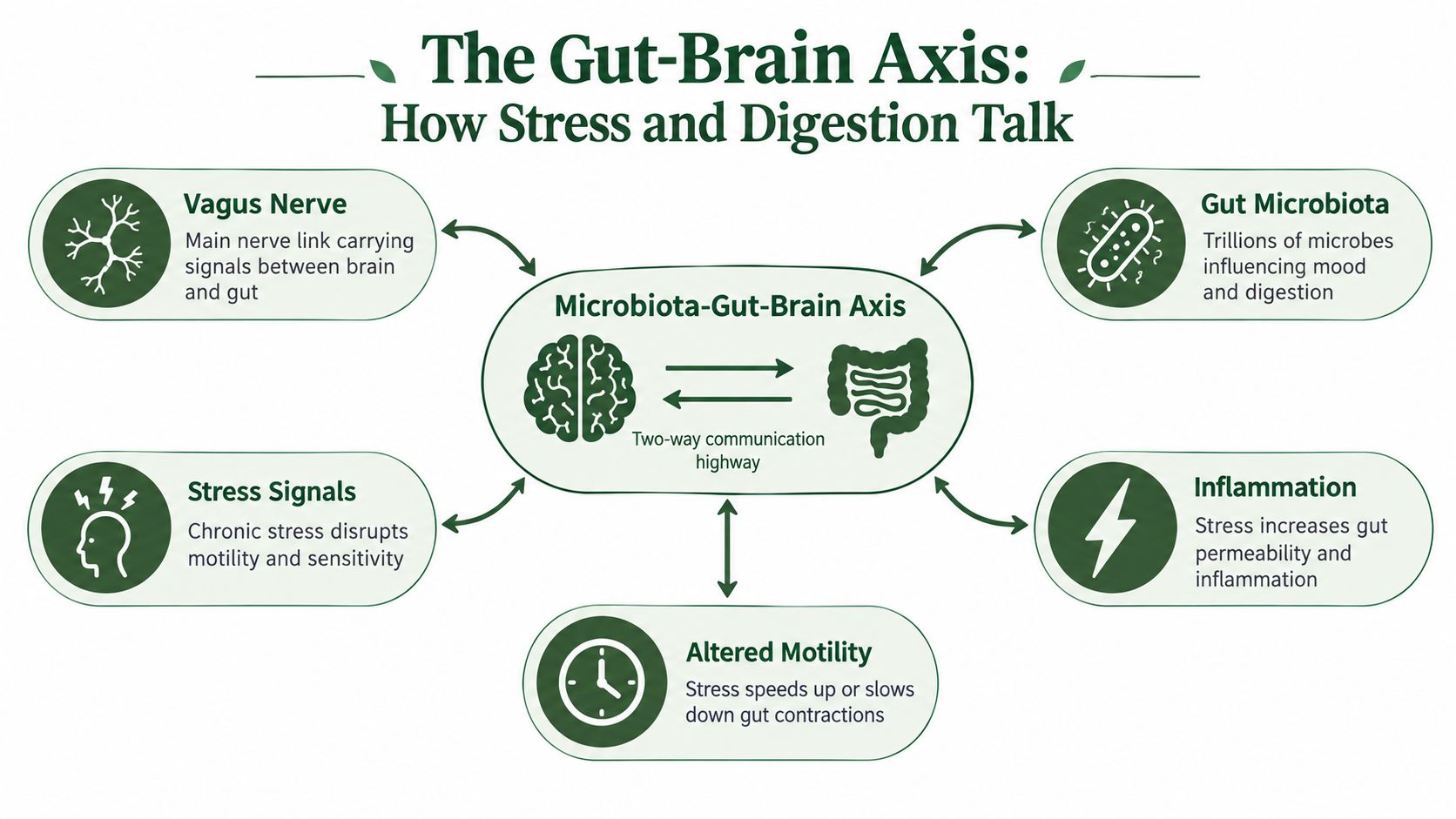
The science behind that reaction is called the gut-brain axis, a two-way communication system that links the brain, nerves, immune signals, and gut microbes. Chronic stress can alter motility, sensitivity, and the way the intestines move food along, which helps explain why digestion can feel “off” even when nothing dramatic changed in the meal itself. [^2] [^3]
Practical rule: if your bloating shows up during demanding weeks, don't assume food is the only trigger. Stress can change how the gut behaves, and the gut can respond with pressure, fullness, or visible swelling.
That's where probiotics sometimes enter the picture. They're not a magic fix, but they can be part of a calmer, more resilient gut routine when used with the right expectations and the right mechanism in mind. A focused plan beats random supplement hopping every time.
The Hidden Link Between Stress and Digestion
Think of digestion like a city with one main traffic system. When stress hits, the body doesn't prioritize smooth food movement, it shifts resources toward short-term survival. That can affect the gut's rhythm, the way gas moves, and how strongly normal sensations are felt.
Why stress can feel like a digestive trigger
The microbiota-gut-brain axis works in both directions, so the brain can affect the gut and the gut can affect the brain. Reviews describe a network involving the central nervous system, autonomic nervous system, enteric nervous system, hormones, immune pathways, and gut microbiota, and chronic stress can disrupt motility, barrier function, and visceral perception. [^3] [^4]
That matters because a bloated feeling is often not “too much gas.” Sometimes the gut is interpreting normal activity as discomfort, and sometimes the abdominal wall and diaphragm aren't coordinating smoothly. In both cases, the symptom feels real because it is real.
Why the usual gas advice falls short
If the dominant issue is sensory rather than mechanical, blowing off the symptom as just gas misses the point. If the main driver is stress, then a bedtime probiotic or a random antacid won't fully address the pattern. The better question is, what changed in your routine, meal timing, sleep, stool pattern, or stress load?
For readers who want practical mind-body techniques, mind-body tools from Be Your Best Self give a useful framework for calming the nervous system without turning digestion into a mystery project. A related conversation about stress recovery appears in this Peak Performance podcast episode on stress reset, which fits naturally with the gut-brain idea.
Top Dietary Triggers That Cause Unwanted Swelling
Some bloating really does start with what's on the plate. FODMAPs, a group of fermentable carbohydrates, can pull water into the small intestine and then create gas when gut bacteria ferment them in the colon. The result can be pressure, tightness, and a stretched feeling that shows up after eating. [^5]
The part most people miss
The issue isn't that these foods are “bad.” It's that tolerance varies. The same meal can be easy for one person and miserable for another because dose, transit time, microbiota, and visceral sensitivity all matter. [^5]
That's why the right approach is a structured experiment, not a forever-ban on entire food groups. If you suspect a food pattern, reduce the biggest FODMAP sources first, keep the rest of your diet stable, and reintroduce one group at a time to learn your threshold. A registered dietitian can help keep the process precise instead of overly restrictive.
What to watch for in everyday eating
- Large portions: a heavy meal stretches the stomach more, which can worsen fullness and pressure.
- Rapid eating: swallowing air while rushing can add to the sense of tightness.
- Highly concentrated prebiotic powders: ingredients like inulin, chicory root, fructans, polyols, or large fiber loads can intensify symptoms in sensitive people.
- Random elimination: cutting out many plant foods at once can reduce variety without solving the actual trigger.
If you want a more detailed overview of fiber choices and symptom sensitivity, this guide on prebiotic fiber supplements is a useful companion read. The key idea is simple, find your own threshold rather than treating every gut as identical.
Distinguishing Bloating from Visible Abdominal Distension
People use these words as if they mean the same thing, but they don't. Bloating is the subjective feeling of pressure, fullness, or tightness inside the abdomen. Distension is the visible increase in abdominal size that others can see. [^1]
Why the difference matters
In the U.S. study, bloating was much more common than visible distension, and about half of the people with bloating also had distension. [^1] That gap tells you something important, the sensation and the body shape change often travel together, but not always.
Visceral hypersensitivity and abdominophrenic dyssynergia are key factors here. In plain language, the gut can feel too full even when gas volume isn't especially high, or the diaphragm can contract downward while the abdominal wall relaxes, making the belly protrude outward. [^2] [^5]
Bloating is what you feel. Distension is what you can measure or see.
That distinction changes what you do next. If the main problem is sensation, calming the nervous system, improving stool regularity, and adjusting food triggers may help more than chasing “gas relief.” If the abdomen visibly changes shape, it's worth looking at motility, constipation, posture, and stress patterns together instead of treating the symptom as one-dimensional.
Lifestyle and Movement Strategies for Immediate Relief
Movement gives the intestines a gentle nudge. When you sit still for long stretches, especially after eating, gas and stool can sit in the gut longer than they need to, and pressure can build. Light activity can help the body move contents along more smoothly.

Simple habits that are worth trying first
- Walk after meals: a short, easy walk can support digestion without stressing the body.
- Breathe low and slow: diaphragmatic breathing helps counter the shallow breathing pattern that often comes with stress.
- Use posture wisely: if you curl tightly at your desk, your abdomen has less room to move comfortably.
- Respect meal size: smaller meals are often easier to tolerate than one oversized plate.
A useful parallel comes from exercise discussions, including this look at the science behind fasted hypertrophy work, where timing, comfort, and individual response matter more than one rigid rule. Digestion works the same way, what feels fine for one person can backfire for another.
The point isn't to turn relief into a performance test. It's to create a few repeatable habits that lower pressure in the gut before discomfort has time to settle in.
Smart Supplement Support for a Resilient Gut
A supplement works best when it matches the problem underneath the bloating. If the issue is microbial imbalance, stool irregularity, or a rough stretch of stress and diet changes, the right product can support the gut instead of adding more confusion. Simple, one-size-fits-all advice often misses that point.
How to think about options
Probiotics can help some people, especially when the goal is to support a steadier gut environment. In one randomized, double-blind, placebo-controlled trial, Bacillus subtilis BS50 improved a combined score for bloating, burping, and flatulence in 47.4% of participants versus 22.2% with placebo, and the study described it as well tolerated during the six-week trial. [^6]
That does not mean every probiotic suits every person. Some formulas include prebiotic fibers that can worsen gas in sensitive guts, especially when constipation or FODMAP sensitivity is already part of the picture. If you are weighing fiber-focused choices, a practical review of fibre supplements to manage bloating can help you compare the tradeoffs more clearly.
A realistic supplement mindset
- Use one change at a time: that makes it easier to see what helped.
- Check the formula: concentrated inulin, chicory root, fructans, and polyols can be rough for some people.
- Start with a short trial: a supplement should fit into a larger plan, not replace it.
- Notice stool pattern: constipation can make “gas” feel like swelling or pressure.
This is also where product selection matters. Probiotics for Bloating Capsules from Peak Performance are designed around Bacillus subtilis BS50. [^6] They fit best alongside diet awareness, stress management, and movement, especially when bloating feels tied to gut-brain sensitivity rather than gas alone.
When to See a Doctor About Persistent Bloating
Most bloating is manageable, but some symptoms need medical attention. If the bloating is new and getting worse, or if it comes with unexplained weight loss, bleeding, anemia, vomiting, persistent pain, or symptoms that wake you at night, don't keep experimenting on your own. [^2] [^7]
Red flags that should change the plan
- Bleeding or anemia: these need evaluation, not guesswork.
- Vomiting or progressive pain: these can point to something more than routine digestive upset.
- New symptoms later in life: symptoms that start later and escalate deserve a clinician's input.
- Weight loss or swallowing trouble: these are not typical “just gas” features.
A clinician can sort through constipation, carbohydrate malabsorption, celiac disease, disorders of gut–brain interaction, and other causes without assuming the answer is just dairy or stress. That distinction matters because the right fix depends on the mechanism, not the label. A symptom diary that records timing, stool pattern, meals, medications, and whether you feel pressure versus visible enlargement can make the visit far more useful.
Your Daily Prevention Checklist for Lasting Comfort
Daily prevention works best when it's boring and consistent. Eat with a little more time, notice which meals create pressure, and keep your stool pattern on your radar instead of waiting until discomfort is obvious. The gut likes routine more than dramatic overcorrection.
A practical checklist is simple:
- Eat in calmer conditions instead of rushing through meals.
- Walk after eating when your schedule allows.
- Track timing, stool, and stress for at least a week when symptoms flare.
- Treat constipation early if that's part of your pattern.
- Test one change at a time so you know what works.
When bloating keeps showing up, the goal isn't to blame your body. It's to learn what your gut is telling you and respond with less panic and more precision.
Peak Performance offers supplements and superfood products that can fit into a gut-aware routine, including probiotic support and digestively minded formulas. If you want a cleaner starting point for your own trial-and-error process, visit Peak Performance and look for products that match your symptoms, not just your guess about them.


