Top 10 "Winter Skin" Survival Tips to End the Itch
That tight, itchy feeling is the unwelcome calling card of winter. Cold air outside and hot showers inside are a nightmare for sensitive skin, leaving it battered and defenseless. The secret to winning this battle doesn't start with the lotion you slather on after you shower—it begins with the body wash you choose to use in it. Transitioning to a non-stripping, lipid-replenishing wash during the colder months is the key to seasonal relief.
Why Winter Weather Wreaks Havoc on Your Skin

If you’ve ever felt your skin get uncomfortably taut after coming in from the cold, you know the feeling. Winter creates a perfect storm for irritation, hitting your skin from two different directions.
First, there's the cold air itself. Cold air just can't hold on to moisture the way warm air can, so the environment is literally pulling hydration right out of your skin. Think of your skin as a sponge—in a dry climate, the moisture inside gets wicked away, leaving it parched and rough.
Then you head indoors to warm up, and the second assault begins: indoor heating. Your furnace or space heater might feel cozy, but it pumps out dry, hot air that drops the humidity even further. This constant cycling between cold/dry outside and hot/dry inside is incredibly stressful for your skin.
The Breakdown of Your Skin Barrier
Your skin has a natural shield known as the lipid barrier. It's a mix of natural fats and oils that has two critical jobs: lock moisture in and keep irritants out. It's your body's first line of defense against the elements.
In winter, this environmental one-two punch relentlessly weakens that barrier.
- Moisture Escapes: The low humidity saps moisture, creating tiny, invisible cracks in your lipid shield.
- Sensitivity Increases: With its defenses compromised, your skin becomes more susceptible to allergens and irritants, which can lead to redness and inflammation.
- The Itch-Scratch Cycle: This irritation often triggers an itch. Scratching only damages the barrier more, creating a frustrating cycle of discomfort.
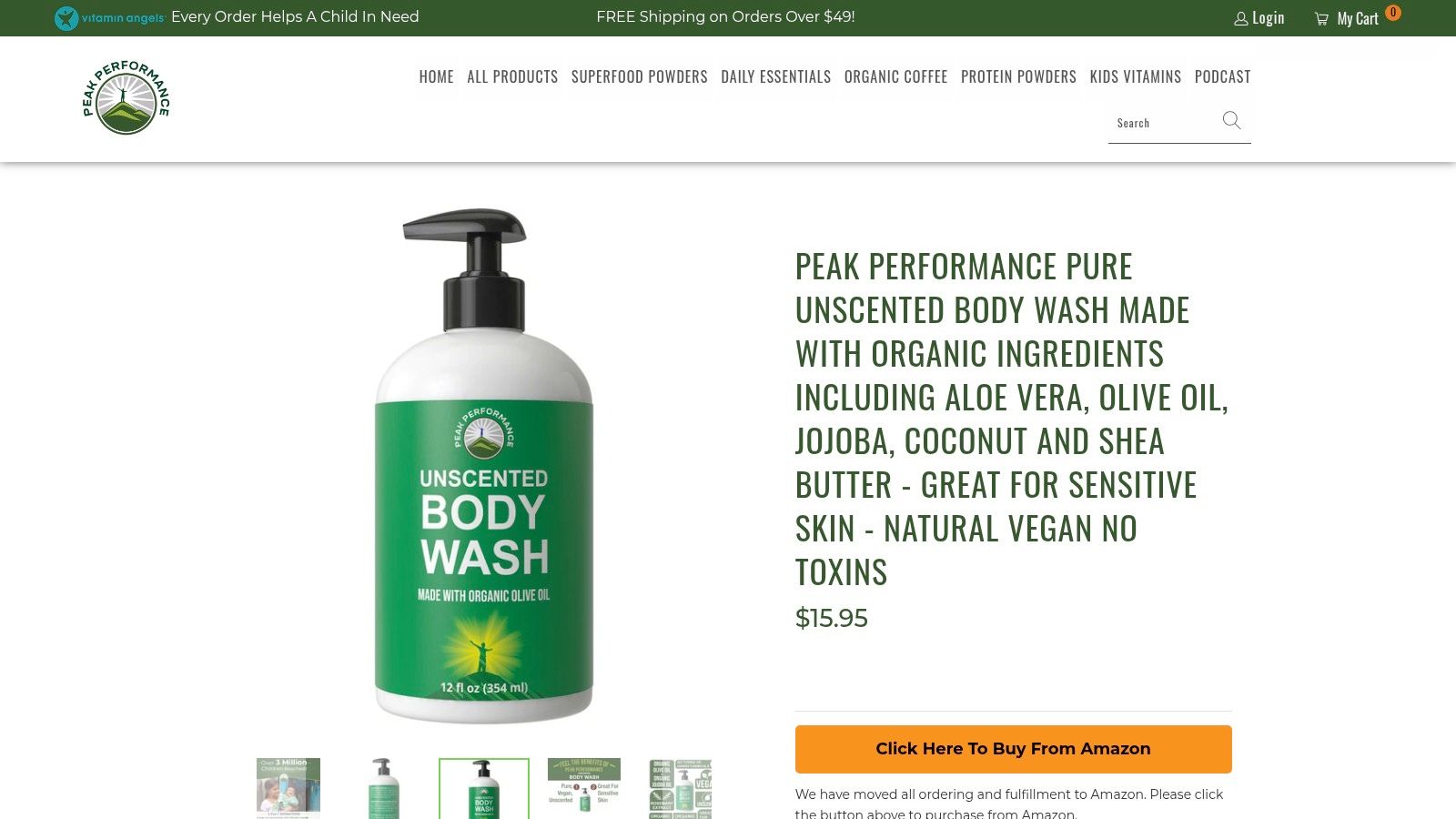
The real secret to ending winter itch isn't just treating the symptoms with heavy creams. It's about proactively protecting and replenishing your skin's natural defenses, starting with a gentle, non-stripping body wash that supports your lipid barrier instead of weakening it. A hydrating cleanser like a Body Wash Made with Organic Ingredients - Unscented can be a game-changer.
Rethink Your Daily Shower Habits
That long, hot shower might feel like the perfect escape on a cold day, but it could be the very thing sabotaging your skin. It seems backward, but spending too much time under steaming hot water can leave your skin feeling tighter and itchier than before you stepped in.
The problem is what hot water does to your skin’s natural defenses. Your skin produces an oily substance called sebum, which creates a delicate, waterproof shield to lock in moisture and keep irritants out. Steaming hot water acts like a powerful solvent, stripping this essential barrier away.
Think of it like washing a greasy pan. You use hot, soapy water to break down the grease almost instantly. A long, hot shower does the same thing to the natural oils on your skin, leaving it exposed and vulnerable.
The New Rules for Winter Showers
The goal isn't to force yourself into a cold shower in the middle of January. It’s about making a few small, strategic adjustments to protect your skin. By changing your mindset from a long, hot soak to a quick, effective cleanse, your shower becomes the first step in a skin-soothing routine.
Here are a few simple changes that make a huge difference:
- Turn Down the Temperature: Go for lukewarm water instead of hot. A good rule of thumb? If your skin turns red, the water is too hot. A comfortable, warm temperature is all you need to get clean without causing damage.
- Keep It Short: Try to keep your showers under 10 minutes. This limits your skin’s exposure to water, which, believe it or not, can pull moisture from your skin through a process called transepidermal water loss.
- Be Gentle with Your Body Wash: Use a mild, nourishing body wash that cleanses without stripping away your skin's natural oils. You don't need to aggressively scrub every inch of your body—just focus on the areas that need it most.
Beyond the right body wash, just having a consistent, comfortable shower is key. Running out of hot water can disrupt your routine and tempt you to crank the temperature up too high when it finally returns. If you're struggling to get enough hot water for your shower, it might be worth looking into.
By making these simple tweaks, your daily shower transforms from a source of irritation into a foundational part of your winter skin defense strategy. It sets the stage for everything that follows, from moisturizing to choosing skin-friendly fabrics. For more insights on how everyday products impact your health, explore our guide on toxic beauty products and functional medicine.
Choose a Body Wash That Nourishes, Not Strips
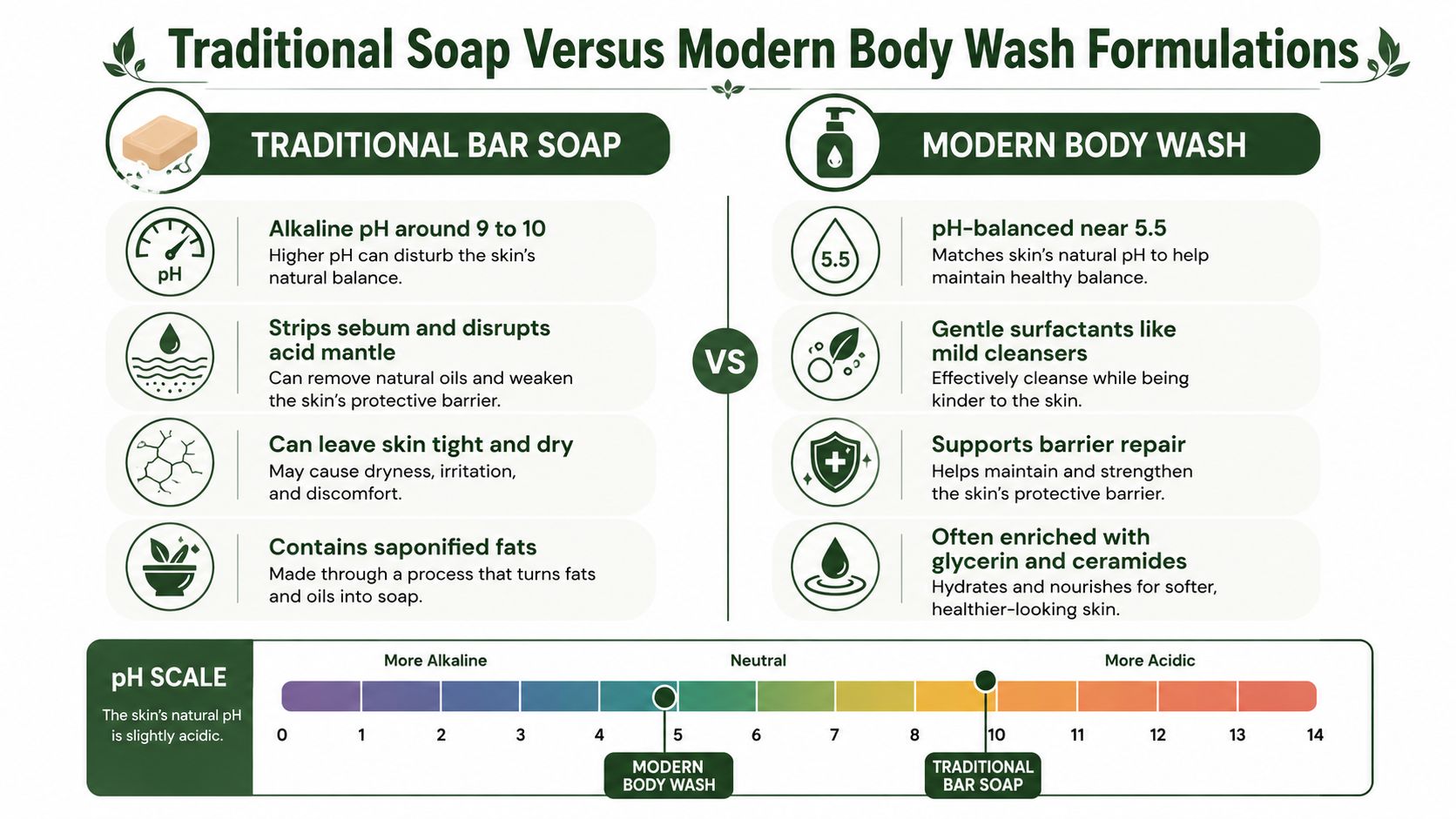
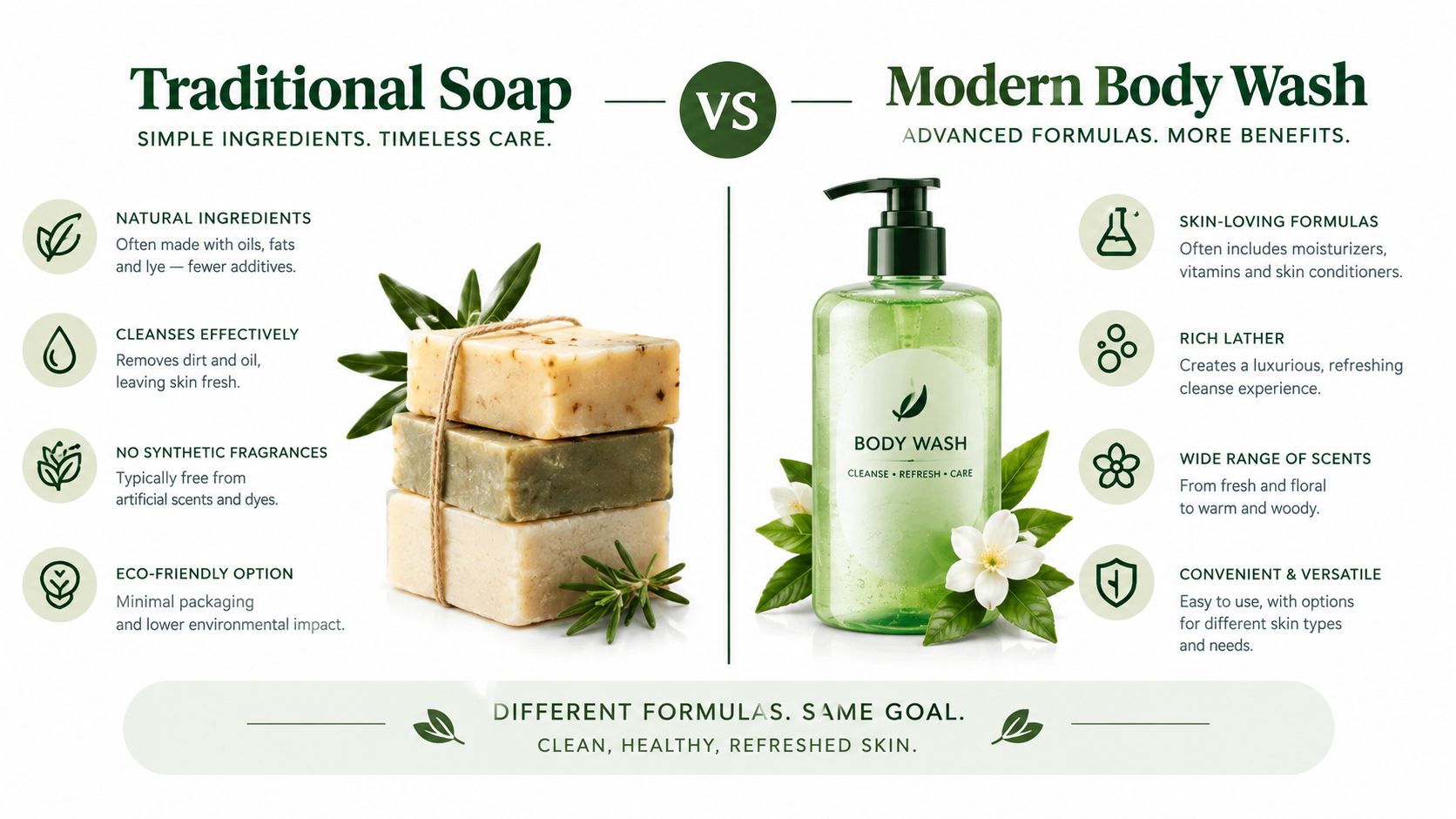
Making the switch from a standard soap to a truly nourishing body wash is probably the biggest upgrade you can give your skin, especially in the winter. So many off-the-shelf cleansers use harsh detergents that are a little too good at their job. They wash away dirt and grime, but they also strip away the essential natural oils that keep your skin barrier healthy and strong.
The whole point is to clean your skin while also supporting its moisture levels. A great winter body wash doesn't just take things away; it gives back, putting back the hydration that cold air and hot showers have zapped out. This simple change in how you think about cleansing can finally break that frustrating cycle of dryness and irritation.
You can see this shift happening everywhere. The global body wash market has exploded as people move away from traditional bar soaps. More and more of us are looking for pH-balanced, sulfate-free options that protect our skin. This has made a quality body wash a go-to for anyone who's conscious about their health.
Decoding the Ingredient Label
Learning to read the ingredient label on your body wash is incredibly empowering. Instead of falling for fancy marketing claims, you can spot exactly which ingredients will save your skin in the colder months and which ones will sabotage it. Think of it as building a dream team for your skin's defense.
Here are the heroes you want on your side:
- Humectants (like Glycerin): These are basically moisture magnets. They pull water from the air and from deeper within your skin to the surface, keeping your skin consistently hydrated.
- Emollients (like Plant-Based Oils): Ingredients like sunflower, jojoba, or coconut oil are fantastic for softening the skin. They fill in the tiny cracks in a damaged skin barrier, making your skin feel smoother and more resilient.
- Soothing Agents (like Aloe Vera): Famous for its calming effect, aloe vera is a superstar at reducing redness and irritation. It offers immediate relief for stressed-out, itchy skin.
When you're shopping, you might find some product guides helpful for finding formulas that meet specific needs, but remember to always check the ingredients for yourself.
To really tackle dry winter skin, you need to pay attention to both the ingredients you're using and the ones you're avoiding.
Winter-Friendly vs. Harsh Body Wash Ingredients
| Ingredient Category | Look For (Nourishing) | Avoid (Stripping) |
|---|---|---|
| Cleansers (Surfactants) | Coco-Glucoside, Decyl Glucoside | Sodium Lauryl Sulfate (SLS), Sodium Laureth Sulfate (SLES) |
| Moisturizers | Glycerin, Hyaluronic Acid, Aloe Vera | High concentrations of Alcohol (Alcohol Denat., Isopropyl Alcohol) |
| Conditioners | Shea Butter, Jojoba Oil, Coconut Oil | Synthetic Fragrances ("Parfum"), Phthalates |
| Soothing Agents | Colloidal Oatmeal, Chamomile, Calendula | Parabens, Formaldehyde-Releasing Preservatives |
Choosing ingredients from the "Look For" column turns your daily shower from a potentially drying experience into a nourishing treatment for your skin.
This infographic breaks down what an ideal winter shower looks like, putting gentle cleansing right at the center.

As you can see, what you wash with is just as critical as the water temperature and how long you stay in.
The Ideal Solution for Sensitive Winter Skin
Putting this all into practice means finding a product that was actually designed with this gentle, replenishing philosophy in mind. You need a formula that cleans without stripping and focuses on repairing your skin's natural barrier.
The perfect winter cleanser is one that leaves your skin feeling soft, calm, and comfortable—never tight or squeaky. That "squeaky clean" feeling is actually a major red flag. It means your protective oils have been washed away, leaving your skin vulnerable.
This is why something like the Body Wash Made with Organic Ingredients - Unscented works so well. It’s a gentle, USDA organic formula that’s free from harsh sulfates, artificial fragrances, and other common irritants that can wreak havoc on winter skin.
Instead, it leans on nourishing, plant-derived ingredients to gently cleanse impurities while depositing moisture back where it belongs. By making this one simple swap, you can turn your daily shower into a soothing ritual that actively fights back against winter itch.
Master the Art of Post-Shower Moisture

Stepping out of a warm shower feels great, but what you do in the next few minutes is what truly makes or breaks your skin's hydration for the day. That brief window of time when your skin is warm and damp is a golden opportunity to lock in moisture.
It all starts with your towel. It’s so easy to grab it and start rubbing away, but that aggressive friction can irritate your skin and strip away the very moisture you're trying to save. Instead, make one simple change: pat, don't rub. Gently press the towel against your body to blot up the excess water, leaving your skin feeling just slightly damp. This is so much kinder to your skin’s delicate barrier.
The Damp Skin Advantage
If there’s one trick I tell everyone to combat dry skin, it's this: apply your moisturizer while your skin is still damp. This isn't just a suggestion—it's strategy. Right after a shower, your skin is plump with water. Slathering on a moisturizer at this exact moment creates a seal that traps all that wonderful hydration, preventing it from vanishing into thin air.
Think of it like putting a lid on a pot of simmering water. The lid keeps the steam from escaping; your moisturizer does the same for your skin. This simple timing adjustment makes your lotion or cream work ten times harder.
The goal isn’t to dry off completely and then add moisture back. It’s to capture the moisture that’s already there from your shower and seal it in for long-lasting comfort. This method ensures your skin stays soft and hydrated for hours.
Choosing Your Winter Moisturizer
When the cold weather hits, that lightweight summer lotion just isn't going to cut it. Winter demands richer, more substantial formulas that can stand up to harsh, dry air.
-
Creams and Balms Over Lotions: Creams and balms are your best friends in winter. They have a higher oil content than lotions, which allows them to create a much more effective protective barrier against moisture loss.
-
Look for Barrier-Repairing Ingredients: Your moisturizer should be a tag-team partner with your hydrating body wash. Look for ingredients that actively support and rebuild your skin’s natural defenses. Two of the best are:
- Ceramides: These are lipids that are naturally part of your skin barrier. Think of them as the mortar that holds your skin cells (the bricks) together, keeping moisture in and irritants out.
- Shea Butter: This classic emollient is packed with fatty acids and vitamins that deeply condition the skin while sealing in hydration.
By choosing the right moisturizer and applying it to damp skin, you're creating a powerful defense against the dreaded winter itch. This post-shower ritual, combined with a gentle Body Wash Made with Organic Ingredients - Unscented, is your best bet for keeping skin happy and hydrated all season long.
Adopt Holistic Habits for Resilient Skin
Great skin in the winter isn't just about what you slather on it. Once you've nailed down your perfect moisturizing body wash and post-shower lotion routine, it's time to zoom out and look at the bigger picture. The truth is, your daily habits and your environment have a massive impact on your skin's ability to stay hydrated and strong.
Thinking beyond your bathroom cabinet can make a world of difference. A few simple lifestyle tweaks work from the inside out and the outside in, creating an ecosystem where your skin can actually thrive, even when the cold is trying to sabotage it. Think of it as building a fortress for your skin barrier, reinforcing it from every angle.
Humidify Your Indoor Air
You step inside from the biting, dry winter air, only to be hit with a blast of equally dry furnace heat. This double-whammy of low humidity is a primary culprit behind winter skin issues, as it constantly pulls moisture right out of your skin. This is where a good humidifier becomes your secret weapon.
A humidifier simply puts a fine mist of water back into the air, bumping up the ambient humidity. If you can keep your indoor humidity between 30% and 50%, you create a much happier environment for your skin. This one change slows down transepidermal water loss—the fancy term for water evaporating off your skin—helping it hold onto the moisture it desperately needs.
One of the easiest and most effective things you can do is run a humidifier in your bedroom overnight. You’ll spend hours surrounded by moisture-rich air, giving your skin a chance to rehydrate and repair itself while you sleep.
Hydrate Your Body from the Inside Out
Lotions and creams can only go so far; true, lasting hydration starts from within. What you eat and drink directly affects your skin's health and its power to hold moisture. When you're dehydrated, it shows up on your skin almost immediately as dullness, fine lines, and sensitivity.
That's why being intentional with your diet is one of the most powerful things you can do for stronger, more resilient skin.
- Drink Plenty of Water: It's the most basic rule for a reason. Aim for at least eight glasses a day to keep your body's cells—including your skin cells—plump and hydrated. If plain water is a snooze, try adding a little lemon, cucumber, or mint.
- Eat Healthy Fats: Your skin's protective barrier is literally made of fats (lipids), so eating the right kinds helps rebuild it from the inside. Foods loaded with omega-3 and omega-6 fatty acids are perfect for this. We're talking about things like avocados, salmon, walnuts, and flaxseeds. These fats reinforce your cell membranes, helping to lock moisture in.
Along with food and water, getting enough key vitamins is especially important during the darker months. You can dive deeper into how to get the vitamin D you need as we head into winter with our helpful guide.
Choose Skin-Friendly Fabrics
The clothes touching your skin all day can either be a source of comfort or a source of irritation. It's natural to want to bundle up in the warmest, coziest things you own, but some of those fabrics can be surprisingly rough on skin that's already feeling sensitive.
Coarse textures, like some traditional wools, can create friction that leads to itching, redness, and tiny scratches on your skin's surface, weakening its barrier even more. The fix is simple: pay attention to what you wear, especially the layers closest to your body.
Here are a few tips for dressing smarter this winter:
- Prioritize Breathable Base Layers: Think of your first layer as a shield. Always start with something soft and breathable, like cotton or silk, to create a gentle buffer between your skin and a heavier wool sweater.
- Opt for Softer Materials: When you can, reach for fabrics known for being gentle. Cashmere, merino wool (which is much finer and less itchy than regular wool), and fleece are all great options.
- Wash with Care: Don't forget your laundry detergent! The residue left by harsh, fragranced detergents and fabric softeners can be a hidden source of major irritation for sensitive winter skin.
When you pair these holistic habits with a gentle cleansing routine using a good moisturizing body wash, you're creating a complete system of care. Every little adjustment—from turning on the humidifier to choosing a cotton t-shirt—adds up, leaving your skin far better equipped to handle whatever winter decides to throw at it.
When your usual routine of gentle cleansers and daily moisturizer just isn't cutting it against severe winter skin, it's time to pull out the heavy hitters. For those really stubborn spots—think cracked heels, rough elbows, or painfully dry hands—a more intensive approach can bring serious relief and finally give your skin a chance to heal.
These aren't your everyday strategies. Think of them as the special forces of your skincare routine, ready to be called in when your skin is in real trouble.
Seal in Moisture Overnight
One of the best tricks for tackling those relentless dry patches is a technique called "slugging." It sounds a little strange, but the concept is simple and surprisingly effective. After your evening shower and moisturizing, you simply smooth a thin layer of a heavy, occlusive ointment over the driest areas.
This layer acts like a protective seal, creating a barrier that prevents moisture from escaping overnight. It essentially locks in your moisturizer and your skin's own hydration, giving it an uninterrupted window to deeply hydrate and repair itself while you sleep.
- How to do it: On clean, moisturized skin, just apply a thin layer of a simple, thick ointment to places like your heels, elbows, knees, or hands.
- Pro tip: For an extra boost on hands and feet, pull on a pair of cotton gloves or socks after applying the ointment. This keeps it off your sheets and helps it work even better.
- Best for: This isn't an all-over body treatment. Save it for specific, localized spots of extreme dryness or cracked skin.
By creating this seal, you’re giving your skin hours of uninterrupted, intense hydration. This one simple step can dramatically soften the most stubborn rough patches, leaving them smoother and more comfortable by morning.
Gently Exfoliate to Pave the Way
Exfoliating dry, sensitive skin might sound like the last thing you should do, but hear me out. When done right, it can be a total game-changer. Dead, flaky skin cells can build up on the surface, forming a barrier that literally blocks your moisturizers from sinking in. You can slather on the richest creams, but they're just sitting on top of that dead layer, not getting to the new skin underneath.
A gentle exfoliation just once or twice a week is all it takes to carefully buff away that buildup. This clears the runway for your hydrating body wash and lotions to absorb properly and do their job.
The key here is gentle. Abrasive, gritty scrubs can cause tiny tears in the skin, making a bad situation worse. Instead, look for a mild exfoliant and use light, circular motions. You're aiming to polish, not punish, your skin.
Know When to Call in a Pro
While these tips can handle most seasonal dryness, it's important to recognize when you're out of your league. If your skin is persistently red, cracked, bleeding, or intensely itchy no matter what you try, it could be a sign of something more going on.
Chronic conditions like eczema or psoriasis often flare up in the winter and need a doctor's attention. A dermatologist can give you a proper diagnosis and prescribe treatments that are far more powerful than anything you can buy over the counter. If your skin is making you miserable, don't hesitate to make that appointment.
As we all get more serious about our skin's health, the demand for better products is surging. The luxury segment of the body wash market is booming, largely because people are actively seeking out premium, natural, and organic formulas. This shift toward clean, transparent, and tested ingredients is changing the entire industry. You can read more about the growing luxury bath and body products market to see just how big this trend is. It’s exactly why building your routine on a solid foundation, like a gentle, Body Wash Made with Organic Ingredients - Unscented, is so critical for healthy skin.
Your Winter Skin Survival Checklist
Dealing with winter skin can feel like a losing battle, but it really comes down to a few core habits. Think of this as your simple roadmap to feeling comfortable in your own skin, even when the weather is at its worst. This isn't about a rigid set of rules, but more of a self-care ritual to keep you feeling good all season.
The main takeaway? Ditching a harsh, stripping soap for a truly nourishing body wash and adding a few other smart habits to your routine is the key. With the right approach, you can finally say goodbye to that relentless winter itch.
Your 10-Point Action Plan
Here’s your game plan for calm, hydrated skin. Bookmark this list and come back to it whenever you need a quick reminder on how to keep your skin protected from the cold.
- Lower the Heat: As good as a scalding shower feels, it's terrible for your skin. Turn the temperature down to lukewarm to keep your skin's natural protective oils intact.
- Keep It Brief: Try to keep your showers under 10 minutes. The longer you're under the water, the more moisture your skin loses.
- Switch Your Wash: This is a big one. Choose a gentle, sulfate-free body wash packed with hydrating ingredients like aloe vera and plant-based oils.
- Pat, Don’t Rub: After your shower, gently blot your skin with a towel. Rubbing can cause irritation and friction on already-sensitive skin.
- Moisturize Damp Skin: This is the golden rule. Apply a rich cream or balm within three minutes of getting out of the shower to trap that precious moisture.
- Humidify Your Home: Central heating zaps moisture from the air, and your skin pays the price. Running a humidifier, especially in your bedroom at night, makes a huge difference.
- Hydrate from Within: What you put in your body matters, too. Drink plenty of water and load up on foods rich in healthy fats, like avocado, nuts, and salmon.
- Dress Smart: Itchy wool sweaters directly on your skin? No thanks. Wear soft, breathable fabrics like cotton as your base layer to prevent irritation.
- Exfoliate Gently: Slough off dead, flaky skin once or twice a week with a mild exfoliant. This helps your moisturizers sink in and do their job much more effectively.
- Treat Stubborn Spots: For those extra-dry patches on your elbows, knees, and heels, apply an occlusive ointment overnight for some intensive repair.
This isn't about just one thing; it's a holistic approach. When you combine smart shower habits, the right products, and supportive lifestyle changes, you build a powerful defense system for your skin. It’s a proactive strategy that puts you in control, no matter how low the temperature drops.
The search for better skin solutions is happening everywhere. It's interesting to see how the demand for body wash varies globally. The Asia Pacific region is currently the fastest-growing market, while North America still holds a huge piece of the pie at about 35% of the market share, reflecting a strong, steady demand for high-quality personal care. You can dive deeper into these global body care market trends to see how consumer habits are shaping the products we see on shelves.
Your journey to happier winter skin starts with getting the foundation right. At Peak Performance, we believe in care that’s both gentle and effective. Our Body Wash Made with Organic Ingredients - Unscented is designed to cleanse without stripping, leaving your skin feeling calm and replenished. Make the switch today and put an end to the itch for good.
Also in Podcasts
Top 10 Reasons Drinking "Pure" Water Might Be Dehydrating You