


Top Antioxidant Rich Foods List to Boost Your Health
In the daily battle against environmental stressors and the natural aging process, your body relies on a powerful internal army: antioxidants. These vital compounds are your first line of defense against oxidative stress, a cellular imbalance linked to everything from accelerated aging and fatigue to more significant health concerns. Strengthening this defense system isn't complicated; the most effective strategy begins with what you put on your plate.
This comprehensive antioxidant rich foods list is your definitive guide to stocking your nutritional arsenal. We will move beyond simply naming foods and dive into the specific benefits and key nutrients that make each one a powerhouse. You'll gain practical, actionable ways to seamlessly incorporate these potent ingredients into your daily meals, transforming your diet into a targeted strategy for enhanced vitality, cellular protection, and long-term wellness.
Understanding which foods offer the highest concentration of these protective molecules is the first step toward optimizing your health from the inside out. For those looking to ensure they get a consistent and potent dose of these nutrients, supplementing with a high-quality blend can be an effective strategy. A product like Peak Performance's Organic Reds Superfood Powder provides a convenient, concentrated source of antioxidants from a variety of powerful plant sources. Prepare to discover how to fuel your body’s defenses and unlock a new level of well-being.
1. Blueberries
Often hailed as the king of antioxidant fruits, blueberries earn their top spot on any antioxidant rich foods list due to an exceptionally high concentration of powerful plant compounds. Their deep, rich color is a direct indicator of their primary antioxidant, anthocyanin. This flavonoid is renowned for its ability to neutralize harmful free radicals, protecting cells from oxidative stress and inflammation.
The benefits of incorporating blueberries into your diet extend to nearly every system in the body. Research strongly links their consumption to improved cognitive function, suggesting they help maintain brain health and protect against age-related memory decline. Furthermore, the anthocyanins in blueberries contribute to cardiovascular wellness by supporting healthy blood pressure and improving blood vessel function. This makes them a true powerhouse for long-term cellular health and vitality.
Why Blueberries Stand Out
Blueberries have been recognized globally for their potent health benefits. In Nordic countries, they are a staple in traditional diets associated with longevity, while NASA has even selected them as a superfood for astronauts to combat the effects of radiation in space. This widespread recognition underscores their dense nutritional profile. For those looking for an even more concentrated source, wild blueberries often contain a higher antioxidant capacity than their cultivated counterparts.
For a quick look at their nutritional profile, here's a summary of key data for a standard one-cup serving.
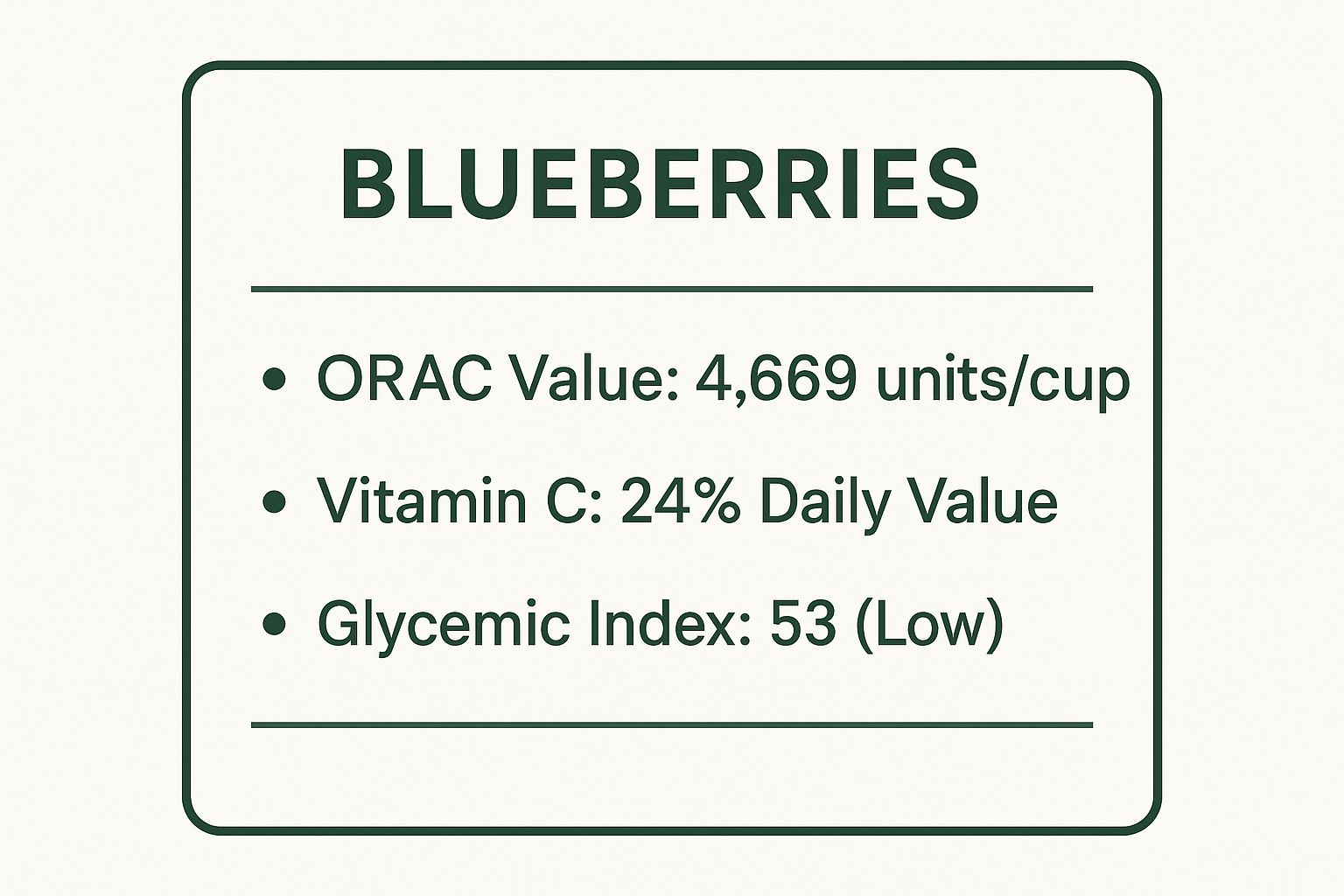
The infographic highlights an impressive ORAC value, confirming their high antioxidant capacity, while their low glycemic index ensures they don't cause a sharp spike in blood sugar.
How to Incorporate Blueberries
Integrating blueberries into your daily routine is simple and effective.
- Go Frozen: Purchase frozen organic blueberries for year-round access. Freezing locks in nutrients right after harvest, making them a cost-effective and convenient option.
- Boost Your Meals: Add a handful to your morning smoothie, oatmeal, or yogurt for an effortless antioxidant boost.
- Enhance Absorption: Consume blueberries with a source of healthy fat, like nuts or seeds, to improve the absorption of their fat-soluble vitamins.
- Convenient Powder: For a concentrated and easy-to-use option, consider a high-quality supplement like our Organic Reds Superfood Powder, which includes blueberry extract for maximum antioxidant benefits.
2. Dark Chocolate (70% cacao or higher)
Often considered a decadent treat, dark chocolate with a high cacao content is actually one of the most powerful sources of antioxidants you can find. Its robust, slightly bitter flavor comes from cacao solids, which are packed with potent flavonoids like epicatechin and catechin. These compounds are highly effective at neutralizing free radicals, making dark chocolate a key player in cellular protection and a delicious addition to any antioxidant rich foods list.

The benefits of moderate dark chocolate consumption are well-documented, particularly for cardiovascular health. The flavanols it contains help improve blood flow, lower blood pressure, and reduce the risk of heart disease. Beyond heart health, these antioxidants also support cognitive function by increasing blood flow to the brain, which may enhance focus and protect against age-related decline. This makes a small square of dark chocolate a smart choice for both body and mind.
Why Dark Chocolate Stands Out
The powerful health properties of cacao have been recognized for centuries. Modern science, through researchers like Dr. Norman Hollenberg at Harvard, has validated these benefits, linking the flavanols in cacao to significant cardiovascular improvements. This has led to its recommendation by cardiologists and its inclusion in diets focused on longevity, such as those in certain Mediterranean populations. Professional cyclists have even used dark chocolate to enhance performance and recovery due to its ability to improve blood flow and reduce oxidative stress.
For those interested in exploring different options, a visual guide can be helpful. To explore more enticing dark chocolate varieties and ideas for consumption, you may find visual inspiration here.

How to Incorporate Dark Chocolate
Enjoying dark chocolate for its health benefits is simple and satisfying.
- Choose High Cacao: Always opt for chocolate with 70% cacao or higher to ensure a high concentration of flavanols and less added sugar.
- Practice Portion Control: Limit your daily intake to one or two small squares (around 20-30g) to reap the benefits without consuming excess calories.
- Pair for Synergy: Combine dark chocolate with other antioxidant-rich foods like berries or nuts to create a powerful synergistic effect that enhances overall nutrient absorption.
- Supplement Strategically: To get the antioxidant benefits of cacao in a concentrated form, consider a high-quality Organic Reds Superfood Powder, which includes potent plant extracts to support overall wellness.
3. Goji Berries
A staple in Traditional Chinese Medicine for centuries, goji berries are celebrated for their unique antioxidant profile and longevity-promoting properties. These vibrant, ruby-red berries are a true superfood, containing specialized compounds called Lycium barbarum polysaccharides (LBPs). These LBPs are the primary drivers of their powerful health benefits, offering robust support to the immune system and protecting against cellular damage.

Beyond LBPs, goji berries are also an excellent source of zeaxanthin, an antioxidant highly beneficial for eye health. Research suggests zeaxanthin helps protect the eyes from UV light, oxidative stress, and age-related conditions like macular degeneration. This potent combination of unique antioxidants makes goji berries an essential addition to any comprehensive antioxidant rich foods list, offering targeted benefits for vision, immunity, and overall vitality.
Why Goji Berries Stand Out
Goji berries have a rich history rooted in ancient wellness practices. In Traditional Chinese Medicine, they are prescribed to nourish the liver and kidneys and improve vitality. This ancient wisdom is supported by modern examples, such as the exceptional longevity rates observed in residents of China's Ningxia province, where goji berries are consumed daily. Even professional athletes have turned to goji berry extracts to aid in recovery and reduce exercise-induced oxidative stress, highlighting their powerful anti-inflammatory and restorative capabilities.
Their reputation for promoting health and endurance is a testament to their dense nutritional value. This ancient superfruit offers a modern solution for those seeking to enhance their body's natural defense systems.
How to Incorporate Goji Berries
Adding these nutrient-dense berries to your diet is simple and versatile.
- Rehydrate and Soften: Soak dried goji berries in warm water for a few minutes to plump them up before adding them to salads or grain bowls. This makes them juicier and easier to chew.
- Boost Breakfast and Snacks: Mix a tablespoon of dried goji berries into your trail mix, oatmeal, yogurt, or smoothies for a chewy texture and a boost of antioxidants.
- Choose Quality: Opt for certified organic goji berries from reputable sources to avoid pesticide residues and ensure you're getting a pure, high-quality product.
- Convenient Powdered Form: For a potent and easy-to-mix option, look for a high-quality Organic Reds Superfood Powder that includes goji berry extract. This ensures you get a concentrated dose of its benefits without the need for soaking or preparation.
4. Spinach
Spinach stands as a nutritional giant among leafy greens, earning its place on any antioxidant rich foods list with a dense profile of vital nutrients. This versatile vegetable is particularly rich in carotenoids like lutein, zeaxanthin, and beta-carotene. These powerful antioxidants work together to combat oxidative stress, protecting cells from damage caused by free radicals and providing significant anti-inflammatory benefits.
The health advantages of consuming spinach are vast, with a notable impact on vision and cellular integrity. Lutein and zeaxanthin are famous for their role in protecting the eyes from harmful blue light and reducing the risk of age-related macular degeneration. Additionally, the flavonoids and carotenoids in spinach contribute to cardiovascular health by helping to lower oxidative stress and inflammation throughout the body. Its affordability and accessibility make it an easy and effective choice for daily nutritional support.
Why Spinach Stands Out
Spinach has been a symbol of strength and health for decades, famously popularized by the cartoon character Popeye, which dramatically increased its consumption in the United States. Today, it's a cornerstone of health-focused diets, such as the Mediterranean diet, where daily intake of leafy greens is emphasized for longevity. Its high nitrate content has also made it a favorite among athletes looking to improve performance and blood flow naturally. The widespread availability of pre-washed, bagged spinach has made this nutritional powerhouse a convenient staple in modern kitchens.
One of the key benefits of spinach is its rich concentration of phytonutrients, which are essential for overall wellness. Exploring the connection between these plant-based compounds and our internal systems can offer deeper insights into their importance. You can learn more about the importance of phytonutrition and gut health on buypeakperformance.com.
How to Incorporate Spinach
Adding this leafy green to your diet is simple and can be done in various delicious ways.
- Buy Organic: Spinach consistently appears on the "Dirty Dozen" list, so choosing organic helps minimize pesticide exposure.
- Boost Smoothies: Blend a large handful of raw spinach into your morning smoothie. Its mild flavor is easily masked by fruit, offering a seamless nutrition boost.
- Enhance Iron Absorption: Pair spinach with a source of vitamin C, like bell peppers or a squeeze of lemon juice, to significantly improve the absorption of its non-heme iron.
- Cook Lightly: To preserve its water-soluble vitamins like vitamin C, lightly steam or sauté spinach instead of boiling it for long periods.
5. Green Tea
A staple in traditional wellness practices for centuries, green tea is celebrated for its remarkable concentration of powerful antioxidants known as catechins. The most potent of these is epigallocatechin gallate (EGCG), a compound that delivers significant antioxidant and anti-inflammatory benefits. Unlike black tea, green tea leaves are steamed rather than fermented, a minimal processing method that preserves these delicate compounds, making it a cornerstone of any antioxidant rich foods list.
The health-promoting properties of green tea are extensive. Scientific research has linked its regular consumption to enhanced metabolic function, improved brain health, and even protective effects against chronic diseases. The EGCG in green tea helps neutralize oxidative stress throughout the body, protecting cells from damage and supporting everything from cardiovascular health to skin vitality. This makes it a powerful yet simple addition to a daily routine aimed at promoting longevity and overall well-being.
Why Green Tea Stands Out
Green tea’s reputation is backed by centuries of cultural use and modern science. In Japan, high consumption is closely linked to the population's famed longevity, while Buddhist monks have long used it to maintain a state of calm alertness during meditation. This global reverence highlights its unique ability to support both mind and body. The active compounds are so effective that green tea extract is frequently studied in cancer research for its potential protective properties.
For those seeking an even more concentrated dose of plant-based antioxidants, a quality Organic Reds Superfood Powder can be an excellent complement, often featuring extracts from nutrient-dense sources to maximize benefits.
How to Incorporate Green Tea
Enjoying green tea and maximizing its benefits is easy with a few simple techniques.
- Proper Brewing: Steep high-quality, loose-leaf green tea in water heated to around 175°F (80°C) for 2-3 minutes. This prevents the release of tannins, which can cause bitterness.
- Boost Absorption: Add a squeeze of lemon juice to your tea. The vitamin C helps increase the body's ability to absorb the valuable catechins.
- Time it Right: Drink green tea between meals. Consuming it with food can sometimes interfere with the absorption of iron from plant-based sources.
- Aim for Consistency: For optimal health benefits, aim to consume 2-3 cups daily. This provides a steady supply of antioxidants to support your body's systems.
6. Pomegranates
Revered since ancient times, pomegranates are a true treasure on any antioxidant rich foods list, celebrated for their unique and potent antioxidant profile. Their brilliant ruby-red arils (seeds) are loaded with punicalagins, a powerful polyphenol almost exclusive to this fruit, and anthocyanins. These compounds are exceptionally effective at combating inflammation and protecting cells from oxidative damage.
The health benefits of pomegranates are extensive, with a particular focus on cardiovascular health. Scientific studies suggest that the antioxidants in pomegranates help lower blood pressure, reduce arterial plaque buildup, and improve overall blood flow. This protective effect extends to cellular health, with research indicating that pomegranates may play a role in inhibiting the growth of certain cancer cells and supporting healthy aging by protecting cellular integrity.
Why Pomegranates Stand Out
Pomegranates have a storied history as both food and medicine. In ancient Persian and Mediterranean cultures, they were used to treat a wide range of ailments, a practice now supported by modern science. The marketing efforts for pomegranate juice brought it into the mainstream, highlighting research from pioneers like Dr. Michael Aviram on its cardiovascular benefits. This has cemented the fruit's reputation as a functional superfood. The arils contain a concentrated dose of these powerful compounds, making them one of nature's most effective cellular protectors.
The fruit's impressive antioxidant capacity is largely attributed to punicalagins found in the peel and juice. These antioxidants are so potent that pomegranate juice has been shown to have a higher antioxidant capacity than red wine or green tea.
How to Incorporate Pomegranates
Adding these antioxidant-packed gems to your diet is easier than you think.
- Mess-Free Method: To easily separate the arils without staining, cut the pomegranate in half and deseed it in a bowl of water. The arils will sink while the white pith floats to the top.
- Choose Wisely: Select pomegranates that feel heavy for their size and have smooth, unblemished skin. A whole pomegranate can be stored in the refrigerator for up to three months.
- Versatile Addition: Sprinkle the arils over salads, oatmeal, and yogurt, or simply enjoy them as a refreshing snack.
- Pure Juice: When choosing pomegranate juice, opt for 100% pure juice with no added sugars to get the maximum health benefits without a sugar crash.
7. Sweet Potatoes
More than just a holiday side dish, sweet potatoes are vibrant root vegetables packed with powerful antioxidants. Their brilliant orange hue is a clear giveaway to their star nutrient, beta-carotene. This potent carotenoid is converted into vitamin A in the body, where it acts as a formidable antioxidant, neutralizing free radicals and protecting cells from oxidative damage.
The health benefits of this humble tuber are extensive. The high concentration of beta-carotene is crucial for supporting strong immune function, maintaining sharp vision, and promoting healthy, glowing skin. Sweet potatoes also provide sustained energy due to their complex carbohydrate content, making them an excellent addition to any antioxidant rich foods list for both everyday wellness and athletic performance. This makes them a true nutritional workhorse for foundational health.
Why Sweet Potatoes Stand Out
Sweet potatoes have a rich history of being used for both sustenance and health. In many African nations, they are a cornerstone of programs designed to combat vitamin A deficiency, a testament to their incredible nutritional power. Similarly, in the Southern United States, they are a culinary staple celebrated in traditional cooking. This global appreciation highlights their versatility and dense nutrient profile. For those seeking even more antioxidant variety, the purple sweet potato offers a dose of anthocyanins, the same powerful compounds found in blueberries.
Their steady-release energy also makes them a favorite among athletes for pre-workout fuel, while their favorable glycemic index allows them to be incorporated into diabetes management plans.
How to Incorporate Sweet Potatoes
Adding this nutrient-dense vegetable to your diet is both easy and delicious.
- Choose Vibrant Colors: Opt for sweet potatoes with a deep, rich orange flesh, as this indicates a higher concentration of beta-carotene.
- Bake with the Skin On: To maximize your intake of fiber and nutrients, bake or roast sweet potatoes with their skin intact.
- Pair with Healthy Fats: To improve the absorption of the fat-soluble beta-carotene (vitamin A), enjoy your sweet potato with a source of healthy fat like avocado, olive oil, or a handful of nuts.
- Convenient Powder: For an easy and concentrated antioxidant boost, consider a high-quality supplement like our Organic Reds Superfood Powder, which contains powerful plant-based nutrients to complement a healthy diet.
8. Walnuts
Walnuts stand out in the nut family for their unique antioxidant profile and significant content of omega-3 fatty acids. Their distinctive brain-like shape hints at their powerful cognitive benefits, driven by a combination of polyphenols, vitamin E (in the form of gamma-tocopherol), and ellagic acid. These compounds work together to combat oxidative stress and inflammation, positioning walnuts as a crucial component of an antioxidant rich foods list.
The synergistic effect of their antioxidants and healthy fats provides robust support for cardiovascular health. Studies, including those focused on the Mediterranean diet, have consistently shown that regular walnut consumption helps lower LDL (bad) cholesterol and improve the flexibility of blood vessels. This powerful combination not only protects the heart but also provides anti-inflammatory benefits that support overall cellular integrity and long-term wellness.
Why Walnuts Stand Out
Walnuts are one of the most extensively studied nuts for their health properties. Research championed by institutions like the Yale Prevention Research Center has highlighted their role in managing metabolic syndrome and supporting brain health. Their unique combination of ALA omega-3s and antioxidants is so potent that even professional chess players have been known to consume them for enhanced focus and cognitive function. This scientific and real-world validation confirms their status as a nutritional powerhouse.
For a quick look at their nutritional profile, here's a summary of key data for a standard one-ounce serving.
The infographic displays their high antioxidant value and underscores their contribution of essential fatty acids, making them a dual-action food for both antioxidant defense and anti-inflammatory support.
How to Incorporate Walnuts
Adding walnuts to your diet is a simple strategy for boosting your antioxidant intake.
- Proper Storage: Store walnuts in the refrigerator or freezer to protect their delicate oils from going rancid, preserving both their flavor and nutritional benefits.
- Enhance Digestibility: Soaking raw walnuts overnight in water can help improve their digestibility and make their nutrients more bioavailable.
- Mindful Portions: Aim for a daily serving of about one ounce (roughly 7 whole or 14 halves) to get the benefits without excessive calories. Choose raw, unsalted varieties to avoid added sodium.
- Versatile Addition: Easily add chopped walnuts to salads, oatmeal, or yogurt. For an even more convenient option, a high-quality Organic Reds Superfood Powder can provide the antioxidant benefits of various powerhouse foods in a single scoop.
9. Red Bell Peppers
Often overlooked in favor of fruits, red bell peppers are a surprisingly potent source of antioxidants, earning them a well-deserved spot on any antioxidant rich foods list. Their vibrant red hue comes from high concentrations of carotenoids, particularly beta-carotene and lycopene. What truly sets them apart, however, is their exceptional vitamin C content, which surpasses that of an orange and plays a crucial role in immune function and collagen production.
The synergistic action of these antioxidants provides robust protection against cellular damage. Vitamin C is a powerful water-soluble antioxidant that neutralizes free radicals in aqueous environments, while carotenoids are fat-soluble, protecting cell membranes and lipids from oxidative stress. This dual protection makes red bell peppers a fantastic food for skin health, cardiovascular support, and overall systemic wellness, all while being a low-calorie, crunchy addition to any meal.
Why Red Bell Peppers Stand Out
Red bell peppers are celebrated in nutritional science for their dense, accessible vitamin C. Sports nutritionists frequently recommend them to athletes for immune support and tissue repair. Similarly, proponents of the "rainbow diet" and the Mediterranean diet highlight red peppers as a cornerstone vegetable for obtaining a broad spectrum of protective plant compounds. Their sweet flavor and satisfying crunch also make them a popular choice in school lunch programs, helping to establish healthy eating habits from a young age.
For those focused on maintaining a strong defense system, the vitamin C in red peppers is invaluable. It not only fights off pathogens but also helps regenerate other antioxidants in the body, like vitamin E.
How to Incorporate Red Bell Peppers
Adding this versatile vegetable to your diet is both easy and delicious.
- Eat Them Raw: To preserve the maximum amount of heat-sensitive vitamin C, enjoy raw red pepper strips with hummus or slice them into salads and wraps for a sweet crunch.
- Roast for Flavor: Roasting red peppers concentrates their sweetness and makes their carotenoids, like lycopene, more bioavailable. Use roasted peppers in sauces, soups, or as a side dish.
- Choose Wisely: Select peppers that are firm, glossy, and feel heavy for their size, as this indicates freshness and high water content. Store them in your refrigerator's crisper drawer for up to a week.
- Convenient Powder: For a concentrated dose of antioxidants from red vegetables, a high-quality Organic Reds Superfood Powder is an excellent supplement. These powders often feature extracts from nutrient-dense foods like red bell peppers for a convenient wellness boost.
10. Acai Berries
Hailing from the Amazon rainforest, acai berries are small, deep purple fruits that have gained global superfood status. Their place on any antioxidant rich foods list is well-deserved, primarily due to their exceptionally high concentration of anthocyanins, the same powerful antioxidants found in blueberries and red cabbage. These compounds are responsible for the berry's dark pigment and its ability to combat oxidative stress by neutralizing damaging free radicals throughout the body.
Traditionally a staple food for indigenous Brazilian populations for centuries, acai provides a unique blend of antioxidants, healthy fats, and fiber. Its antioxidant profile is one of the most potent among all fruits, contributing to cellular protection, reduced inflammation, and cardiovascular health. This dense nutritional makeup supports overall vitality and resilience, making it a valuable addition to a health-focused diet.
Why Acai Berries Stand Out
Acai's journey from a regional Amazonian staple to a global health phenomenon was fueled by its remarkable ORAC (Oxygen Radical Absorbance Capacity) value, which measures its antioxidant power. Its adoption by Brazilian surfers and athletes for energy and recovery helped propel it into the mainstream, leading to the popular acai bowl trend in health-conscious communities worldwide. Today, scientific research continues to explore its benefits, particularly for heart health and cognitive function, validating its long-held reputation.
The berry's unique combination of anthocyanins and other flavonoids sets it apart. While many berries are rich in antioxidants, acai offers a concentrated dose that has been traditionally relied upon for stamina and health, proving its efficacy long before it was studied in a lab.
How to Incorporate Acai Berries
Since fresh acai berries are highly perishable, they are most commonly found as frozen purees or powders.
- Choose Unsweetened Puree: Opt for frozen, unsweetened acai puree to avoid added sugars and get the most nutritional benefit. This form is perfect for making authentic acai bowls or smoothies.
- Look for Certifications: When possible, select products with organic and fair-trade certifications to ensure quality and sustainable sourcing practices.
- Blend Smart: Combine acai puree with other antioxidant-rich foods like spinach, bananas, and other berries to create a nutritionally dense smoothie bowl. Top with nuts and seeds for healthy fats.
- Supplement for Convenience: For a simple, concentrated dose, our Organic Reds Superfood Powder includes acai extract. This allows you to get the benefits without the preparation, making it a powerful and convenient addition to your wellness routine.
Top 10 Antioxidant Foods Comparison
| Item | Implementation Complexity 🔄 | Resource Requirements 💡 | Expected Outcomes 📊 | Ideal Use Cases 💡 | Key Advantages ⭐ |
|---|---|---|---|---|---|
| Blueberries | Low - easy to use fresh, frozen, or dried | Moderate - may be costly, especially organic | High antioxidant impact; supports brain & heart | Cognitive support, athletes, daily diet antioxidant boost | High ORAC, cognitive & heart benefits, versatile uses |
| Dark Chocolate (70% cacao+) | Moderate - portion control recommended | Moderate - quality bars can be expensive | Strong cardiovascular & mood benefits | Heart health, mood enhancement, sweet cravings | Very high ORAC, mood boosting, rich in flavonoids |
| Goji Berries | Moderate - may require soaking | High - expensive, quality varies | Eye health support, immune boost | Traditional medicine, eye health, immune system support | Highest zeaxanthin, unique polysaccharides, protein |
| Spinach | Low - widely available and easy to prepare | Low - affordable and common | Eye health, anti-inflammatory, cardiovascular support | Everyday nutrition, salads, cooked dishes | Nutrient-dense, affordable, high in lutein & folate |
| Green Tea | Low - simple brewing process | Low - affordable, but quality varies | Metabolism boost, neuroprotection | Weight management, brain health, sustained energy | High EGCG, low caffeine, anti-inflammatory |
| Pomegranates | Moderate - aril extraction time | Moderate - can be costly, seasonal | Anti-inflammatory, heart health | Culinary uses, medicinal purposes, antioxidant intake | Unique punicalagins, vitamin C rich, long shelf life |
| Sweet Potatoes | Moderate - require cooking | Low - affordable and widely available | Immune support, vision health, sustained energy | Cooking staple, blood sugar-friendly carb source | High beta-carotene, fiber, and versatility |
| Walnuts | Low - ready to eat, some prep recommended | Moderate - can be expensive | Brain & heart health, anti-inflammatory | Snacks, cognitive support, heart-healthy diets | High omega-3s, melatonin, protein-rich |
| Red Bell Peppers | Low - easy to eat raw or cooked | Low to moderate - seasonal pricing varies | Immune support, skin & eye health | Salads, snacks, cooking for vitamin C boost | Exceptionally high vitamin C, low calorie |
| Acai Berries | Moderate - fresh highly perishable | High - expensive, mostly frozen or supplemented | Antioxidant powerhouse, heart & recovery support | Smoothies, bowls, antioxidant supplementation | Extremely high ORAC, unique antioxidants, sustainable |
Putting Your Antioxidant Knowledge into Action
You have now journeyed through a comprehensive antioxidant rich foods list, exploring everything from the potent anthocyanins in blueberries and acai berries to the unique catechins in green tea and the powerful lycopene in red bell peppers. This guide isn't just a collection of healthy ingredients; it's a strategic roadmap for fortifying your body’s natural defense systems against the daily barrage of oxidative stress. The true power lies not in fixating on a single "superfood," but in embracing the principle of dietary diversity.
Think of your diet as an ecosystem. Each antioxidant-rich food introduces a different set of protective compounds, each with a unique role. The flavonoids from dark chocolate, the carotenoids from sweet potatoes, and the ellagic acid from walnuts all work synergistically. They protect different types of cells, neutralize various free radicals, and support distinct bodily functions, from cognitive clarity to cardiovascular resilience. Mastering this concept means moving beyond simple food choices and toward strategic nutritional fortification.
Weaving Antioxidants into Your Daily Fabric
The transition from knowing to doing is where real health transformation occurs. The key is to make incorporating these foods feel effortless and enjoyable, not like a chore. The goal is sustainable integration, creating habits that stick for the long haul.
Here are some practical, actionable strategies to get you started:
- The "Plus One" Breakfast Method: Start your day with a simple upgrade. Are you having oatmeal or yogurt? Add a handful of walnuts or a sprinkle of goji berries. Making a smoothie? Blend in a large handful of spinach; you won't taste it, but your body will get the benefits. This small, consistent addition compounds over time.
- Strategic Snacking: Rethink your mid-afternoon snack. Instead of reaching for processed options, plan for antioxidant power. A small square of 70% dark chocolate can satisfy a sweet craving, while a crisp red bell pepper with hummus provides a savory, nutrient-dense alternative.
- Liquid Gold: Hydration is a prime opportunity for an antioxidant boost. Swap one of your daily coffees or sodas for a freshly brewed cup of green tea. For a refreshing evening drink, consider a small glass of pure pomegranate juice instead of wine or a sugary beverage.
Beyond the Plate: A Holistic View on Cellular Health
Integrating this antioxidant rich foods list is a foundational step toward optimal wellness, but it's most effective when part of a larger wellness strategy. For instance, the antioxidants that protect your blood vessels work best when supported by regular physical activity and stress management. Understanding the broader lifestyle changes beneficial for heart disease can provide a more complete picture of cardiovascular wellness, showing how diet and other daily habits work in concert. True vitality is achieved when nutrition, movement, and mindful living are aligned.
For those with demanding schedules, maintaining a perfectly balanced, antioxidant-rich diet every single day can be a significant challenge. Business travel, hectic family life, and unexpected deadlines can disrupt even the best-laid meal plans. This is where intelligent supplementation can play a crucial supportive role, acting as a nutritional safety net. A high-quality superfood blend can ensure you never miss your daily dose of protective phytonutrients.
By consistently applying the knowledge from this guide, you are doing more than just eating healthy. You are actively investing in your long-term vitality, enhancing your energy levels, and building a more resilient body from the cellular level up. This proactive approach to nutrition is one of the most powerful tools you have for a vibrant, healthy future.
Ready to ensure your antioxidant intake is always covered, even on your busiest days? Peak Performance offers an Organic Reds Superfood Powder, a convenient and delicious way to get a concentrated dose of nutrients from sources like acai, pomegranate, and beetroot. Explore the full range of clean, high-quality supplements at Peak Performance and give your body the support it deserves.
Also in Blog


How to Increase Stamina Naturally and Boost Energy


How to Increase Energy Naturally

