


How to Mix Protein Powder for a Perfect Shake
We’ve all been there: you finish a tough workout, you’re ready for that satisfying protein shake, and you end up with a clumpy, gritty mess. It’s a common frustration, but it’s completely avoidable once you know what you’re doing.
How you mix your protein powder isn't just about convenience—it directly impacts the texture, taste, and even how well your body absorbs the nutrients. Getting this right is the difference between a dreaded chore and a rewarding post-workout ritual.
Why Your Mixing Method Actually Matters
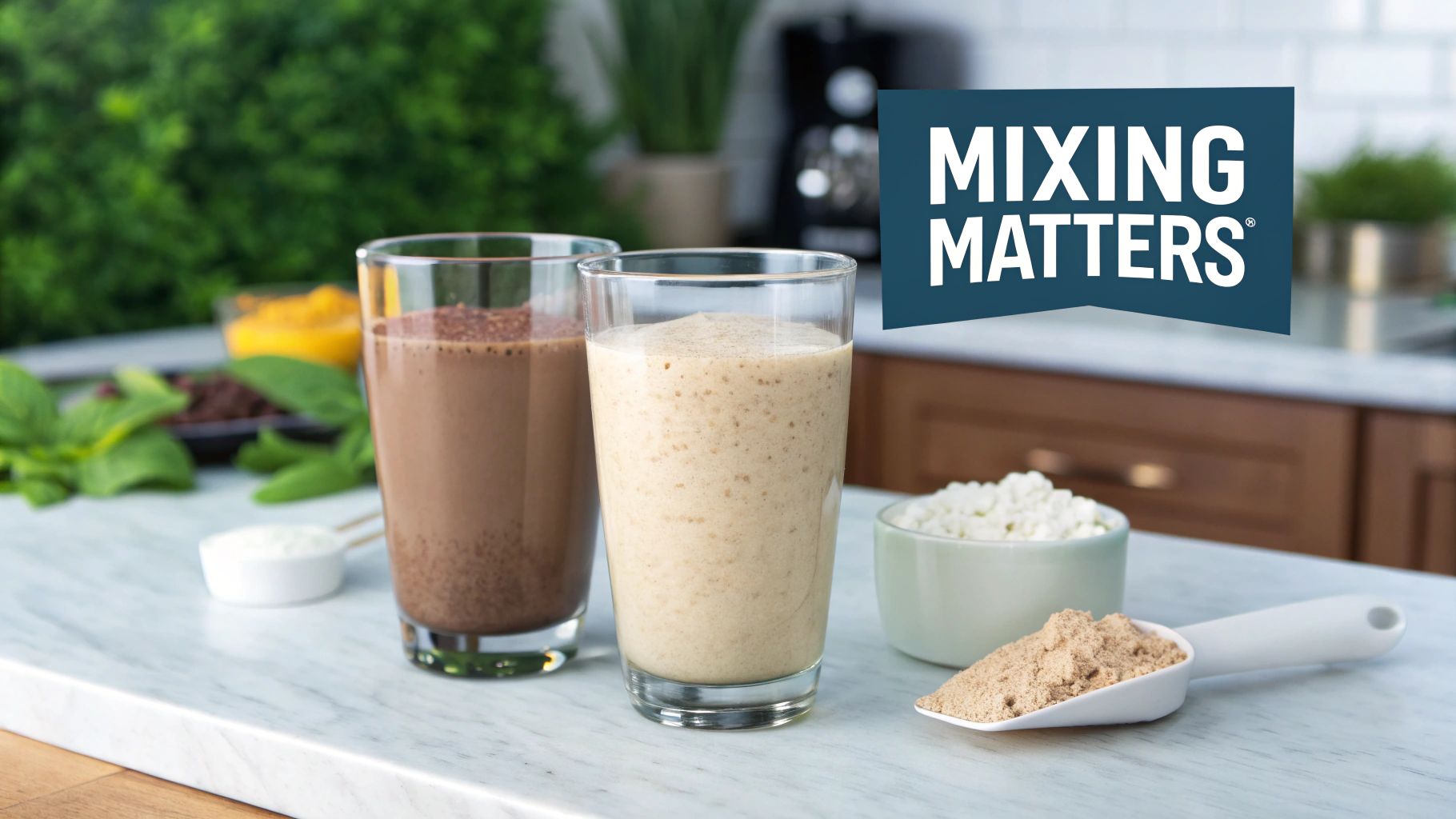
The science is pretty straightforward. Different protein sources have unique molecular structures, causing them to behave differently when they hit liquid. For example, whey protein is known for being highly soluble, while some plant-based proteins are much denser and need a little more coaxing to break down smoothly.
Understanding these quirks is your first step to mastering the perfect shake, every time.
The Impact on Your Experience
Let’s be real—if you have to choke down a lumpy shake every day, you’re probably not going to stick with it for long. A smooth, well-blended drink is far more enjoyable, making it easier to stay consistent with your nutrition goals. Consistency is everything when it comes to seeing results.
Beyond just the taste, proper mixing ensures you get an even distribution of protein in every sip. It also helps you sidestep the digestive discomfort that can sometimes happen when you swallow large, undissolved clumps of powder.
Different Powders, Different Rules
Not all protein powders play by the same rules. Each type has its own personality, and learning how to handle them is key.
- Whey Protein: Usually dissolves easily but can get clumpy if you dump it into hot liquid or add the powder to your shaker before the liquid.
- Casein Protein: Famously thick and slow to absorb. It often needs more aggressive mixing (and a bit more liquid) to get a smooth consistency.
- Plant-Based Proteins: Powders from pea, hemp, or rice can have a naturally grittier texture because of their fiber content. A blender is almost always your best friend here.
Curious about how these stacks up against each other? We break it all down in our guide on the difference between whey and plant protein.
The demand for high-quality protein isn't slowing down. The global protein powder market was recently valued at around USD 24.6 billion and is projected to hit USD 46.2 billion by 2034. It’s a clear sign that people everywhere are zeroing in on nutrition to fuel their health and fitness.
Choosing the Right Tools and Liquids
The secret to a perfect protein shake isn't that complicated. It really just comes down to two things: your liquid base and your mixing tool.
Nailing these two elements is what elevates your shake from a gritty, chalky chore to something delicious and smooth you actually look forward to. And once you move beyond plain old water or milk, a whole new world of flavor and nutrition opens up.
Your choice of liquid completely changes the game. Sure, water is a zero-calorie, no-fuss option for a quick mix. But other liquids can add serious creaminess, flavor, and an extra nutritional punch.
Selecting Your Liquid Base
Think about how different liquids can transform your protein. Almond milk gives you a nutty, low-calorie creaminess, while oat milk brings a naturally sweeter and thicker texture that's incredible with vanilla or chocolate powders.
Looking for a morning kick? Try mixing your protein powder with cold brew coffee. This creates a potent "proffee" that both energizes you and fuels muscle recovery at the same time.
Each option tweaks the final macro profile of your shake, so it’s an easy way to customize it to your specific goals. If you're still deciding on the powder itself, we have a comprehensive guide on how to choose the right protein powder for you.
Comparing Your Mixing Tools
The tool you use to mix your protein powder is just as critical as the liquid. Each one has its place, and the best choice depends on where you are, the type of protein you’re using, and the final texture you're after.
Here’s a quick rundown of the three most common tools:
| Tool | Best For | Pros | Cons |
|---|---|---|---|
| Shaker Bottle | Quick, on-the-go shakes; whey & collagen | Portable, easy to clean, affordable | Can struggle with thicker or plant-based powders |
| Blender | Meal replacements, smoothies, plant-based protein | Creates the smoothest texture; can add other ingredients | Less portable, more cleanup |
| Whisk & Bowl | Making protein pudding or baking prep | Simple, no special equipment needed | Inefficient for drinks, can be messy |
For most of us, a good shaker bottle with a solid blender ball is the perfect daily driver. It’s ideal for that post-gym shake when you just need something fast.
But if you’re making a creamy, meal-replacement smoothie and want to toss in things like fruit, greens, or nut butter, a blender is non-negotiable. It’s the only way to get that silky-smooth texture.
Pro Tip: Always, always add your liquid to the shaker or blender before the powder. This simple trick prevents powder from getting caked into the bottom corners and guarantees a smoother, clump-free mix every single time.
There's a reason protein powders have become so popular. The global protein supplements market was valued at USD 28.12 billion in 2025 and is expected to climb to USD 41.04 billion by 2030.
Powdered forms own the market with a 55.11% share, mostly because they're affordable, versatile, and last forever on the shelf. You can find more insights on the growing protein supplements market.
Mastering the Clump-Free Mixing Technique
Getting a perfectly smooth, creamy protein shake is the goal, right? It's way easier than you think once you nail a few key principles. It's time to say goodbye to gritty, lumpy drinks for good.
This simple technique works for any protein powder and turns your daily shake into something you actually look forward to. It all starts with one non-negotiable rule that uses a little physics to solve 90% of clumping issues instantly.
The Unbreakable Liquid-First Rule
The single biggest mistake I see people make is dumping protein powder into an empty shaker and then pouring liquid on top. This is a recipe for disaster. It creates a dense, dry layer at the bottom that the liquid can't break through, leaving you with those stubborn, cement-like clumps.
The fix is simple: always add your liquid first.
This creates a base that allows the powder to start dissolving the second it hits the water. When you shake, the powder is already suspended, which makes for a much faster, smoother mix.
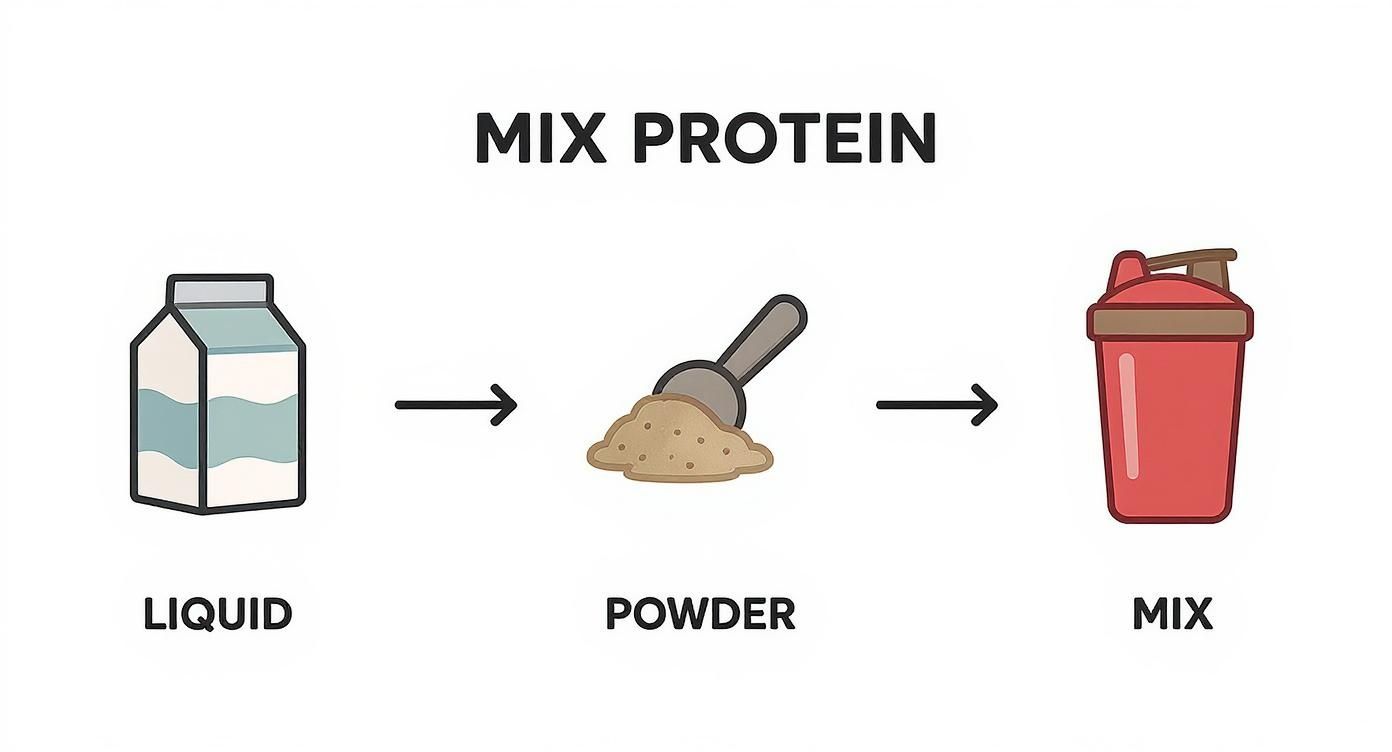
Liquid, then powder, then mix. That's the foundation for a perfect shake, every single time.
Finding the Perfect Powder-to-Liquid Ratio
Once you have the order down, it’s time to dial in your ratios. Not all proteins are the same—some are a lot thirstier than others.
- Whey and Collagen: These guys are super soluble and mix easily. A good starting point is one scoop per 8-10 ounces of liquid. This usually gives you a great, drinkable consistency. Our Hydrolyzed Grass-Fed Bone Broth Collagen dissolves like a dream, making it an awesome addition to any blend.
- Casein and Plant-Based Proteins: These are naturally thicker and way more absorbent, often because of the fiber in plant proteins or casein's slow-digesting nature. For these, you’ll want to start with at least 10-12 ounces of liquid per scoop to avoid a pasty texture.
Pro-Tip: You can actually use casein's thickness to your advantage. Try mixing one scoop with just 4-6 ounces of milk or water and stir it with a spoon. Let it sit for a few minutes, and you'll have a ridiculously good high-protein pudding. Perfect for a healthy dessert.
Advanced Tips for a Flawless Finish
With the basics covered, a few extra tricks can take your shake from good to genuinely great. These small tweaks make a huge difference in the final texture.
First, liquid temperature matters, especially with whey. Always use cold or room-temperature liquids. Hot water can cause whey protein to "cook" and denature, creating clumps that will never dissolve. Think about how an egg white solidifies when you heat it—it's the same idea.
Another game-changer is letting the shake rest. After you give it a good, hard shake, let it sit on the counter for 60-90 seconds. This gives any stubborn little micro-particles a chance to fully dissolve.
Once it has rested, give it one last quick shake for about 10 seconds before you drink. This final agitation ensures everything is perfectly integrated for the smoothest texture imaginable.
How to Fix Common Protein Powder Problems
Even when you do everything right, a perfect protein shake can still go sideways. Stubborn clumps, a gritty mouthfeel, or a foamy mess can quickly ruin what should be a simple, rewarding routine.
The good news? Most of these issues are super easy to fix once you know what's causing them. This guide will walk you through the most common shake snafus and give you simple, practical solutions to get a flawless mix every time.
Taming Stubborn Clumps
Nothing is worse than taking a big gulp of your shake and getting a mouthful of dry powder. If you're already following the liquid-first rule and still finding lumps, the problem is likely your liquid's temperature or the protein type itself.
Remember, hot liquids and whey protein are mortal enemies. Heat can cause whey to denature and clump up instantly. If you're making "proffee" (protein coffee), always mix your powder with a small amount of cold liquid first to create a smooth paste. Then, you can gradually stir in your warm coffee without a single clump in sight.
Smoothing Out Gritty Textures
Gritty texture is probably the number one complaint about plant-based proteins, mostly due to their natural fiber content. A standard shaker bottle often just can't break it all down.
This is where a blender becomes your best friend. For an even creamier result, add a source of healthy fat. Half an avocado, a spoonful of nut butter, or a tablespoon of chia seeds does an amazing job of binding everything together for a velvety-smooth finish. Plus, you get a nice nutritional boost.
If you want a protein that mixes effortlessly every single time, a high-quality collagen is the way to go. Our Hydrolyzed Grass-Fed Bone Broth Collagen is designed to dissolve completely in both hot and cold liquids, guaranteeing a perfectly smooth drink.
Protein Type Mixing Guide
Different proteins behave in different ways when you mix them. Some dissolve instantly, while others need a little more persuasion. This table breaks down what to expect and how to get the best results from each type.
| Protein Type | Common Texture Issue | Recommended Liquid | Pro Mixing Tip |
|---|---|---|---|
| Whey Protein | Clumping in hot liquids | Cold water or milk | Mix with cold liquid first before adding to anything warm like coffee. |
| Casein Protein | Becomes very thick | More liquid than usual | Give it a minute to fully absorb liquid before deciding if it's too thick. |
| Plant-Based | Gritty or sandy | Milk, plant-based milk | Use a blender and add a healthy fat source like avocado or nut butter. |
| Collagen | Can gel if left sitting | Hot or cold liquids | Dissolves easily, but stir right before drinking to prevent gelling. |
Ultimately, knowing your protein's quirks is half the battle. A little prep work goes a long way in creating a drink you'll actually enjoy.
Eliminating Excessive Foam
A giant head of foam on your shake is usually a sign of over-mixing, especially if you're using a high-powered blender. Shaking or blending for too long whips too much air into the mix.
The fix is simple: just mix it for less time. You only need to blend until the powder is gone, which is usually just 20-30 seconds. If you still end up with foam, just let the shake sit for a minute or two. It'll settle down on its own.
Quick Tip: Adding a little healthy fat, like a splash of MCT oil or a spoonful of almond butter, can help reduce the surface tension and minimize foam from the get-go.
Improving a Disappointing Flavor
Let's be honest, sometimes a protein powder just doesn't taste great on its own. Instead of choking it down, you can easily tweak the flavor with a few simple additions from your pantry.
A dash of cinnamon, a splash of pure vanilla extract, or a teaspoon of unsweetened cocoa powder can completely change the game. If it's not sweet enough, a bit of stevia or a small drizzle of maple syrup works wonders. Don't be afraid to experiment—that's how you'll find the perfect combination for your taste buds.
Creative Ways to Use Protein Powder
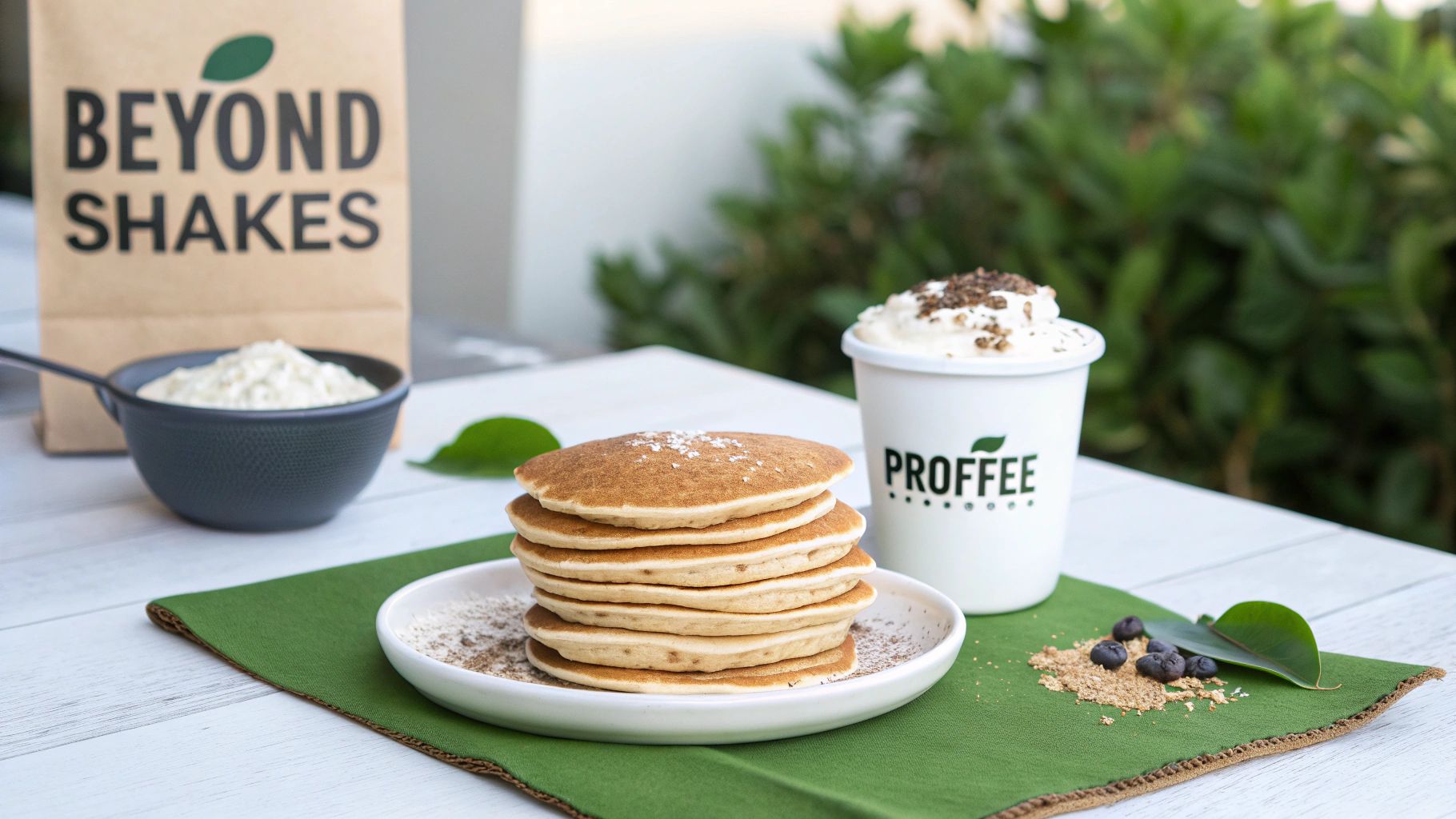
If you think protein powder is just for shakes, you're missing out. Big time. It’s time to unlock its true potential by weaving it into meals you already love, making your nutrition goals not only easier to hit but a whole lot tastier.
From breakfast all the way to dessert, a simple scoop can completely transform your food. Think about mixing it into your morning oatmeal, yogurt, or even pancake batter. It’s a seamless way to start the day with a meal that actually keeps you full and fuels your muscles.
Beyond the Shaker Bottle
Getting creative with protein powder is the best way to make it a sustainable part of your routine, rather than just another supplement you have to remember. Here are a few dead-simple ideas to get you started:
- Energizing 'Proffee': This one’s a game-changer for your morning. Just mix a scoop of unflavored or vanilla protein into your coffee. The trick is to dissolve the powder in a splash of room-temp water first to make a paste. Then stir it into your hot coffee to keep it from clumping.
- Protein-Packed Oatmeal: This couldn't be easier. Stir a scoop of your go-to flavored protein right into your cooked oatmeal. It instantly adds a creamy texture and a kick of flavor, all while bumping up the protein to keep you satisfied for hours.
- Fluffy Protein Pancakes: Add a scoop of protein powder directly to your favorite pancake mix. This works incredibly well with vanilla or cinnamon flavors and turns a weekend breakfast classic into a legitimate powerhouse meal.
And if you're looking to stack your supplements for maximum effect, you can get even more strategic. For instance, there are some great strategies for mixing creatine with protein shake that can really support your performance goals.
Pro Tip: When you start baking with protein powder, stick with an unflavored type so it doesn’t mess with the taste of your recipe. Also, remember that protein powder soaks up moisture like a sponge, so you'll probably need to add a bit more liquid (like milk or water) to get the consistency right.
Choosing the Right Protein for Your Recipes
Don’t forget that the type of protein you use really matters. A high-quality whey or a good plant-based blend is perfect for things like pancakes or oatmeal. If you’re trying to figure out which powder is best for your specific training goals, check out our guide on the best protein powder for muscle recovery.
This isn't just a niche trend, either. People everywhere are incorporating supplements into their daily meals. The global natural protein powder market was valued at USD 5.80 billion and is projected to hit USD 13.84 billion by 2034, growing at an impressive 9.07% CAGR.
That boom shows a massive consumer shift toward clean-label products that fit into a healthy lifestyle far beyond a simple post-workout shake. It’s all about finding convenient, effective ways to stay on track. You can discover more insights about the natural protein powder market here.
Answering Your Top Questions About Mixing Protein Powder
Even after you've got the basics down, a few tricky questions always seem to pop up. We get it. Think of this as your go-to spot for clear, simple answers to the most common things we hear about mixing protein.
Let's clear up those last few hurdles so you can shake, blend, and stir with total confidence.
Can I Mix Protein Powder with Hot Liquids Like Coffee?
You absolutely can, but there’s a trick to it. If you just dump a scoop of whey protein straight into a steaming mug of coffee, you’ll end up with a clumpy mess. The intense heat instantly “cooks” the protein, making it seize up—kind of like how an egg white solidifies in a hot pan.
The secret is to temper it. First, mix your protein powder with just a splash of room-temperature water or milk. Whisk it into a smooth, thin paste, making sure there are no dry spots. Then, you can slowly stir that slurry into your hot coffee for a perfectly blended "proffee."
For a much simpler route, collagen peptides are a game-changer here. They're designed to dissolve effortlessly in hot liquids, no extra steps required.
Why Is My Plant-Based Protein Powder Always Gritty?
That slightly sandy texture is a super common complaint with plant-based proteins. It’s not your fault! It comes down to the natural fiber and larger particle size of ingredients like pea, rice, or hemp protein. A regular shaker bottle just doesn't have enough power to fully break them down.
Your best weapon against grit is a high-powered blender. The sheer force of the blades will pulverize those particles, giving you a much smoother, more enjoyable drink.
Pro Tip: Add a source of healthy fat to your blend. A little creaminess goes a long way. Half an avocado, a tablespoon of nut butter, or even some chia seeds will work wonders to bind everything together and create a velvety smooth texture.
How Long Can I Store a Mixed Protein Shake?
For peak freshness, taste, and nutrition, you should always aim to drink your shake within 30 minutes of mixing it. That’s when it’s at its best.
But let's be realistic—life happens. If you need to prep a shake ahead of time, you can store it in a sealed, airtight container in the fridge for up to 24 hours. You’ll almost certainly see some separation, and that’s totally normal. Just give it another really good, hard shake before you drink it to mix it all back up.
At Peak Performance, our goal is to give you pure, high-quality supplements that actually mix well and taste great. Check out our lineup of clean protein and collagen powders to find the perfect addition to your routine. Shop Peak Performance today.
Also in Blog


How to Increase Stamina Naturally and Boost Energy


