


Benefits of Organic Coffee: Cleaner Taste & Health
When you choose organic coffee, you’re getting a brew that’s free from synthetic pesticides and fertilizers. Simple as that. This means a cleaner, more natural cup, but it also often means one richer in antioxidants and essential minerals—a smarter choice for your well-being all around.
A Healthier Choice in Your Morning Cup
At its heart, the term ‘organic’ is a promise of purity. When you see that label on a bag of coffee, it’s a sign that the beans were grown in harmony with nature. No synthetic pesticides, no herbicides, no chemical fertilizers.
Think of it like this: would you rather have a tomato from a small, well-tended organic garden or one from a massive industrial farm? The quality of the source directly shapes the final product. The same is true for your coffee.
For your body, this switch means a serious reduction in chemical exposure. You might be surprised to learn that conventionally grown coffee is one of the most chemically treated crops in the world. By choosing organic, you lighten your body's toxic load, one sip at a time. This isn't just a niche idea anymore; market research shows a strong preference for organic coffee precisely because it skips the synthetic stuff.
To get a quick sense of the differences, here's a simple breakdown.
Organic vs Conventional Coffee At a Glance
This table cuts through the noise and shows you the key distinctions between organic and conventional coffee when it comes to your health, the environment, and the final taste in your cup.
| Feature | Organic Coffee | Conventional Coffee |
|---|---|---|
| Farming Method | Grown without synthetic pesticides, herbicides, or fertilizers. Focuses on soil health and biodiversity. | Often uses synthetic chemicals to control pests and boost growth, which can deplete soil quality. |
| Health Impact | Lower exposure to chemical residues. Often higher in antioxidants, vitamins, and minerals. | Potential exposure to residues from pesticides and other chemicals. |
| Environmental Impact | Promotes healthy ecosystems, conserves water, and improves soil fertility. Better for local wildlife. | Can contribute to soil erosion, water pollution, and loss of biodiversity due to chemical runoff. |
| Flavor Profile | Often described as cleaner, brighter, and more complex, reflecting the nutrient-rich soil. | Flavor can be consistent but may lack the unique nuances found in beans from healthier soil. |
As you can see, the choice goes far beyond just a label—it impacts everything from the farm to your morning ritual.
A Clearer Picture of Wellness
This infographic does a great job of connecting the dots between how organic coffee benefits your body, the planet, and the farmers who grow it.
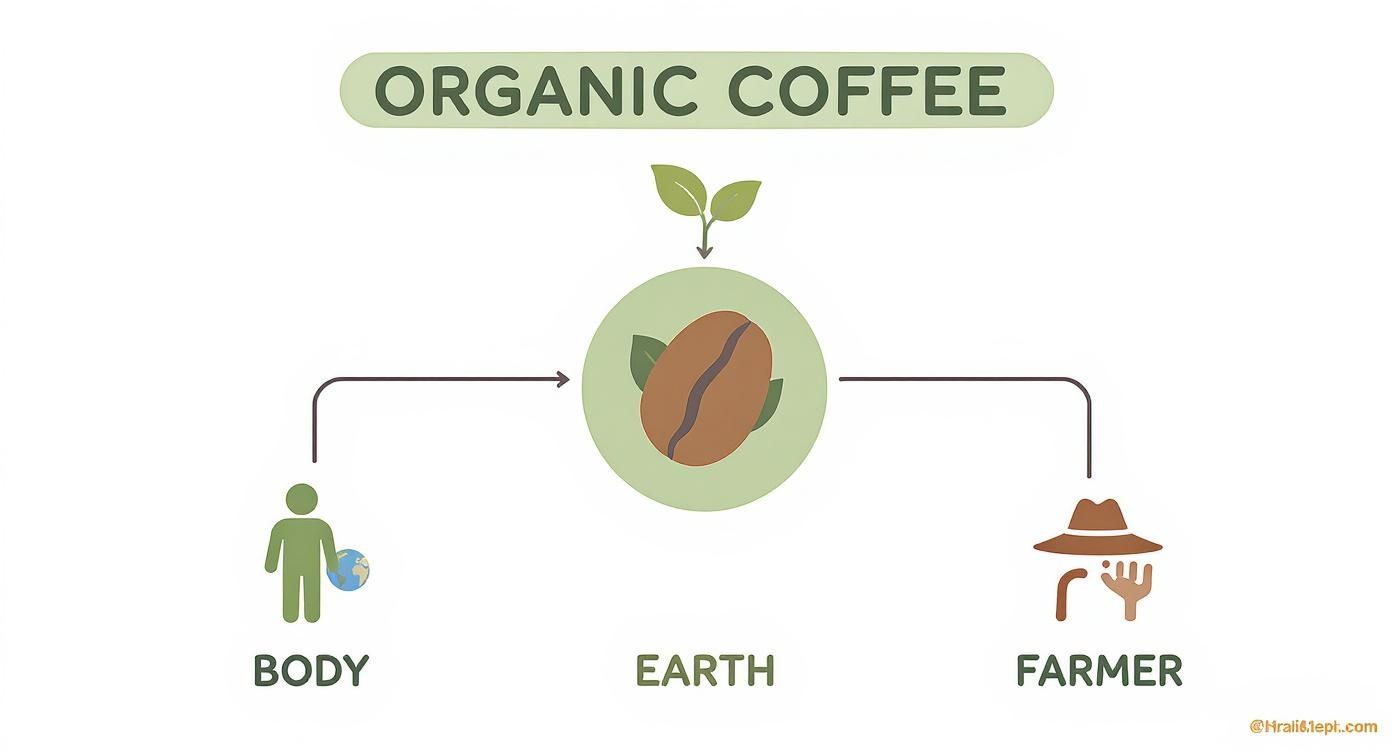
It’s easy to see how it all links together, starting with healthier soil and ending with a healthier you. But the real benefits aren't just about what's left out of the farming process.
The commitment to organic farming isn't just about avoiding chemicals; it's about actively building nutrient-rich soil. This healthier soil produces a more robust coffee bean, often containing a higher concentration of beneficial antioxidants, vitamins, and minerals.
In the end, every cup of organic coffee is a small but powerful step toward a cleaner lifestyle. It’s a simple switch in your daily routine that delivers a more wholesome experience, without sacrificing the energy and focus you count on.
Experience a Richer and Cleaner Flavor
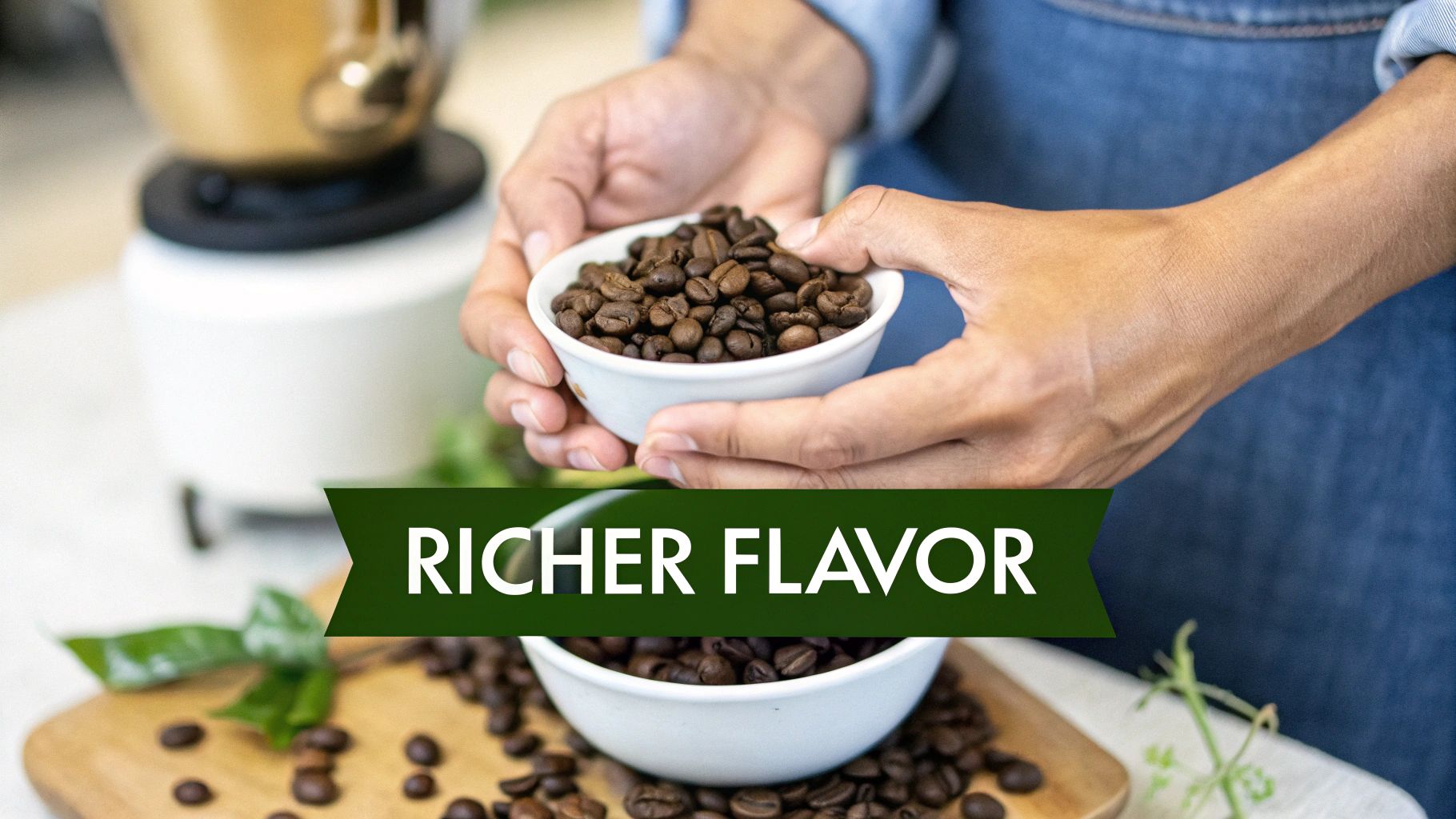
For a true coffee lover, flavor is so much more than just the roast or the grind. The real magic begins deep in the earth, where vibrant, living soil is teeming with life.
Think of it like a vineyard. A great winemaker knows that exceptional grapes come from healthy, well-tended vines rooted in rich soil. Coffee is no different. This living foundation is what allows the complex flavors of the bean to fully develop.
By focusing on soil biodiversity, organic farmers let the coffee bean express its unique terroir—the distinct flavor profile from its specific environment. This means the cup in your hands is completely free of any weird chemical notes.
What you get is a brighter, cleaner, more nuanced sip that truly stands on its own.
How Healthy Soil Builds Better Flavor
Rich, organic soil isn't just dirt; it's a bustling ecosystem of nutrients and microorganisms. Fungi and microbes in the soil work in harmony with the coffee plant's roots, helping them absorb the minerals that shape its final taste.
This natural balance is what prevents that harsh, bitter aftertaste you sometimes find in conventionally grown coffee.
- Cleaner Finish: The flavors are crisp and distinct, without any unpleasant bitterness lingering on your palate.
- Brighter Acidity: You'll notice a lively little zing that brings out the natural fruit and floral notes of the bean.
- Deeper Complexity: Every sip reveals subtle new layers of flavor, making for a much more interesting brew.
The process is refined even further by hand-picking. When harvesters carefully select only the perfectly ripe coffee cherries, they ensure that every single bean contributes its peak flavor. This gentle approach also prevents the beans from being bruised, which protects the delicate oils responsible for all that amazing aroma and taste.
On top of the taste, the meticulous processing—sorting, washing, and sun-drying the beans by hand—locks in that clean, consistent flavor profile. All that care and attention to detail absolutely translates into the quality of the coffee you brew.
If you enjoy the comforting smell of a fresh brew, you might also like creating that cozy atmosphere at home with coffee-scented candles.
The final result is a cup of coffee with unmatched clarity. With every sip, you're not just tasting coffee; you're tasting the health of the soil and the dedication of the farmer.
How Your Coffee Choice Protects The Planet
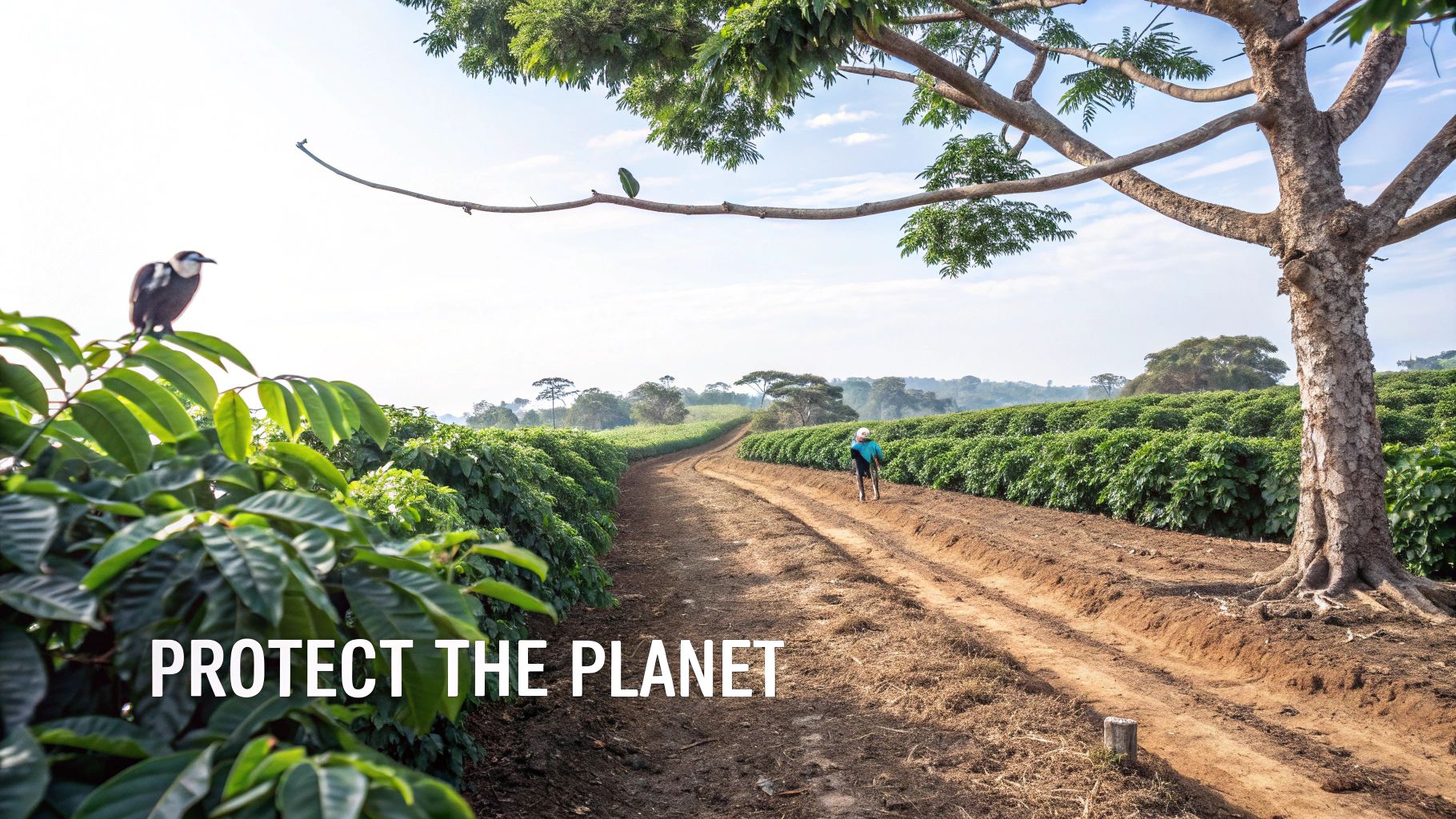
Organic coffee isn’t just about savoring a richer cup—it’s a deliberate pick for our planet’s well-being. Every bag you grab sends a clear message: you support farms that nurture the land instead of depleting it.
Most conventional coffee plantations depend on synthetic pesticides and fertilizers. Over time, these chemicals wash into rivers, disrupting aquatic life and contaminating communities downstream. By banning these compounds, organic farms keep waterways clean and ecosystems balanced.
This simple choice triggers a wave of positive effects. If you’re eager to broaden your eco-impact, try exploring other eco-friendly products. Suddenly, your morning ritual becomes part of a larger sustainability movement.
Building Biodiversity And Healthy Soil
A lot of organic coffee comes from shade-grown estates, where coffee shrubs flourish under a protective tree canopy. This method isn’t just about preserving soil—it recreates a lively forest ecosystem.
Rather than clear-cutting land, shade-grown farms weave together trees, coffee plants, birds, insects, and wildlife into a living tapestry.
Beyond supporting wildlife, these practices enrich the earth itself. Farmers layer in compost, cover crops, and natural mulches to cultivate rich, loamy soil that acts like a moisture-holding sponge.
- Improved Water Retention: Soil loaded with organic matter hoards water, trimming the need for extra irrigation and shielding farms from drought.
- Carbon Sequestration: Deep, nutrient-dense soil pulls carbon dioxide from the air and tucks it safely underground, helping slow climate change.
In turn, these sustainable methods safeguard the long-term vitality of coffee landscapes. For an insider’s take on agricultural sustainability, check out organic and other food labels from an expert. Choosing organic means you’re backing a system that keeps giving back to the earth.
Supporting Fair And Ethical Farming Communities
Organic coffee does more than energize your morning. It sends value back to the fields, uplifting the very farmers who nurture each cherry.
Organic certifications often tie into fair trade principles, helping guarantee fair compensation for growers. This steady income fuels:
- Stable and Fair Prices that withstand market swings
- Funding for families’ health, education, and local clinics
- Investment in essential community projects
The result? A supply chain built on respect and dignity, not just transactions.
A Safer And Healthier Work Environment
Conventional coffee farms lean heavily on synthetic pesticides and fertilizers, exposing workers to harmful chemicals every day. Over time, this exposure can lead to serious health issues.
By contrast, organic farms rely on nature’s toolkit:
- Composting to enrich soil health
- Crop Rotation to break pest cycles
- Biological Pest Control using beneficial insects
“Organic farming eliminates direct chemical exposure, protecting farmworkers and their families. Cleaner air, purer water, and safer fields become the norm.”
When you choose Organic Ground Coffee, you’re not just picking a flavor profile—you’re supporting healthier communities. Each bag you brew honors ethical practices and sustainable growth, proving that great coffee can also do a world of good.
Making the Switch to Organic Coffee Simple
Ready to upgrade your daily brew? It can feel like there's a lot to know when you're standing in the coffee aisle, but a few quick checks on the bag will point you in the right direction. It's easier than you think.
First, always look for the official USDA Organic seal. This little green circle is your guarantee that the beans were grown without a chemical cocktail of synthetic pesticides or fertilizers. It's the simplest way to ensure you're sipping a cleaner cup every morning.
Beyond that main seal, a few other terms can tell you a lot about what's inside:
- USDA Organic: The gold standard, ensuring strict farming practices.
- Single-Origin: Means the beans come from one specific farm or region, giving you a consistent and unique flavor profile shaped by its environment.
- Shade-Grown: This is a big one for sustainability. It means the coffee was grown under a natural forest canopy, which protects biodiversity and supports a healthier ecosystem.
Once you've got the sourcing down, it's all about matching the roast to your personal taste. Think of a medium roast as the sweet spot for flavor, highlighting brighter fruit and floral notes. If you're after a richer, more chocolatey finish, a dark roast is probably your go-to.
Choosing Your First Bag
If you're looking for a perfectly balanced cup to start your day, our versatile medium roast is a fantastic choice. It holds onto more of the beans' natural antioxidants and nuanced flavors. You can see the details here: Peak Performance Organic Medium Roast Coffee
But if you love those bold, robust notes that stand up to a splash of milk or cream, you'll want to check out our dark roast. It’s got that deep, satisfying profile perfect for a powerful espresso or a rich French press. Here's the full description: Peak Performance Organic Dark Roast Coffee
Selecting the right roast is like picking the perfect hiking trail. You want terrain that matches your energy and pace.
Now that you've picked your beans, keeping them fresh is the key to a great cup.
Storing and Grinding Your Beans
The enemies of fresh coffee are air, heat, and light. Store your beans in an airtight container in a cool, dark place (like a pantry, not the freezer!) to keep those incredible flavors from fading away.
For the absolute best taste, grind your beans right before you brew. This releases the peak aroma and preserves the delicate antioxidants. A coarser grind is great for drip coffee makers, while a fine grind is what you need for a proper espresso pull.
Before you start brewing, feel free to explore a few more of our top recommendations. We put together a guide with some of our other expert picks here: Find the Best Organic Coffee Brands
You’re now set to choose your first bag with confidence. Go enjoy all the benefits of incredible organic coffee, without any of the guesswork.
Your Questions About Organic Coffee, Answered
Thinking about making the switch to organic coffee? It’s smart to have questions. We’ve all been there. Here are some of the most common ones we hear, with straightforward answers to help you feel great about what’s in your cup.
Is Organic Coffee Really Worth the Extra Cost?
It’s true, organic coffee often costs a little more. But that price difference isn’t just a fancy label—it’s a direct reflection of what it takes to grow coffee the right way.
That extra cost supports farmers who use more hands-on, labor-intensive methods. It ensures they earn a fair wage, and it covers the expense of avoiding cheap, synthetic pesticides and fertilizers. When you think about the benefits—a cleaner cup for you, a richer flavor, and a healthier planet—it starts to feel less like a cost and more like an investment. You're not just buying coffee; you're voting for a better, more sustainable way of doing things.
Does Organic Mean Less Caffeine?
Nope. "Organic" is all about the how—the farming methods used to grow the beans. It has absolutely zero to do with the natural caffeine content inside them.
The amount of caffeine in your cup is determined by the type of bean (like Arabica vs. Robusta) and how you brew it. An organic Arabica bean will have the same kick as a conventionally grown one. So you can get all the amazing health and environmental upsides without giving up that essential morning energy.
How Do I Know My Coffee Is Actually Organic?
This one’s easy. Just look for the official certification seal right on the bag.
In the U.S., the "USDA Organic" seal is the one to look for. It’s your guarantee that the coffee was grown and processed under strict federal rules, meaning no synthetic pesticides, fertilizers, or GMOs were involved. Seeing that seal is the best and simplest way to know you’re getting the real deal.
Can I Use Organic Coffee in My Regular Coffee Maker?
Absolutely. Organic coffee isn’t picky. It comes in every form imaginable—whole bean, ground, and single-serve pods—and you can brew it any way you like.
Whether your go-to is a French press, a pour-over dripper, an automatic machine, or a high-powered espresso maker, organic coffee will work perfectly. The brewing process doesn't change a thing about its organic quality, so you can enjoy a cleaner, better-tasting cup exactly the way you love it.
Ready to taste the difference for yourself? At Peak Performance, we live and breathe this stuff, sourcing only the highest quality, USDA Organic coffee to fuel your day.
Also in Blog


How to Increase Stamina Naturally and Boost Energy


How to Increase Energy Naturally

