


Your Ultimate Nutrient Dense Foods List: 10 Powerhouse Choices For 2025
In a world filled with processed options and empty calories, understanding how to truly nourish your body is more critical than ever. The key isn't about counting every calorie, but making every calorie count. This is the core principle of nutrient density: maximizing the vitamins, minerals, antioxidants, and other vital compounds you get from your food. Shifting your focus to nutrient-dense foods is the most direct path to boosting energy, sharpening mental clarity, strengthening your immune system, and building a resilient foundation for long-term health. It’s about choosing quality over quantity and fueling your body with the building blocks it needs to thrive.
This guide provides a comprehensive nutrient dense foods list, but it goes beyond a simple enumeration. We will dive into the specific benefits of each food group, from leafy greens and fatty fish to organ meats and legumes. For each item, you’ll find actionable advice on:
- Key Nutrient Profiles: Understand exactly what makes each food a nutritional powerhouse.
- Practical Meal Ideas: Simple, delicious ways to integrate these foods into your breakfast, lunch, and dinner.
- Smart Shopping & Storage: Tips to ensure you get the freshest, most potent ingredients.
We'll also explore how to enhance your diet with high-quality additions. To truly understand why certain foods matter, delving into their nutritional composition is key. For a comprehensive look at the benefits of healthy fats, consider the essential olive oil nutrition facts. Get ready to move past generic health advice and build a sustainable, nourishing eating plan that works for your lifestyle.
1. Leafy Greens (Spinach, Kale, Swiss Chard)
Topping any credible nutrient-dense foods list, leafy greens like spinach, kale, and Swiss chard are foundational to optimal health. They offer an unparalleled concentration of vitamins, minerals, and phytonutrients for exceptionally few calories. This incredible nutrient-to-calorie ratio makes them essential for supporting everything from immune function and cellular health to energy metabolism.
Including a variety of these greens in your diet ensures you receive a broad spectrum of micronutrients. For instance, just one cup of raw kale provides more than your daily requirement of vitamins A, C, and K.
Why They Deserve a Top Spot
Leafy greens are rich in antioxidants like lutein and beta-carotene, which help combat oxidative stress. They are also an excellent source of folate, magnesium, and dietary fiber, which is crucial for digestive health and stable blood sugar levels. Regularly consuming these vegetables can support bone health (thanks to Vitamin K) and cardiovascular wellness. Understanding how to make food choices based on these nutrient profiles is a powerful skill. Learn more about the principles of making food choices based on nutrient density.
How to Implement Them
- Meal Ideas: Add a handful of spinach to your morning omelet or smoothie. Create kale chips by baking torn leaves with olive oil and sea salt. Sauté Swiss chard with garlic as a simple, elegant side dish.
- Shopping & Storage: When possible, choose organic to minimize pesticide intake. Store unwashed greens in a sealed container or bag with a paper towel in the coldest part of your refrigerator to absorb excess moisture and extend freshness.
- Pro Tip: To reduce kale's natural bitterness, remove the tough stems and gently massage the leaves with a drizzle of olive oil and a pinch of salt for a few minutes before using it in salads. This simple step tenderizes the leaves, making them far more palatable.
2. Eggs (Whole Eggs)
Often referred to as nature's multivitamin, whole eggs are a powerhouse of nutrition and a staple on any serious nutrient dense foods list. They provide a complete protein profile, meaning they contain all nine essential amino acids necessary for muscle repair, hormone production, and overall bodily function. The myth that egg yolks should be discarded has been thoroughly debunked; the yolk is where you find the vast majority of vitamins and minerals.
This incredible nutritional package is delivered with remarkable efficiency. One large egg contains high-quality protein, healthy fats, and a significant amount of essential nutrients like choline, vitamin D, and B12, all for around 75 calories. Their affordability and versatility make them one of the most accessible superfoods available.
Why They Deserve a Top Spot
Eggs are one of the richest dietary sources of choline, a vital nutrient crucial for brain development, liver function, and nerve signaling. The yolk also contains lutein and zeaxanthin, powerful antioxidants that accumulate in the retina and support long-term eye health. Consuming whole eggs can help raise HDL (the "good") cholesterol and provides a satiating mix of protein and fat, which aids in weight management by promoting fullness and reducing overall calorie intake. To further support cognitive function and energy, pairing a meal with eggs with a high-quality B-complex supplement can be beneficial.
How to Implement Them
- Meal Ideas: Start your day with scrambled eggs, a vegetable-filled frittata, or a simple poached egg on whole-grain toast. Add a sliced hard-boiled egg to salads for a protein boost or make a classic egg salad for a quick lunch.
- Shopping & Storage: Opt for pasture-raised or omega-3 enriched eggs when possible, as they typically offer a superior fatty acid profile and higher levels of fat-soluble vitamins. Store eggs in their original carton in the main body of the refrigerator, not the door, to maintain a consistent, cold temperature.
- Pro Tip: For perfectly easy-to-peel hard-boiled eggs, use eggs that are a week or two old rather than farm-fresh. Plunging them into an ice bath immediately after cooking stops the cooking process and makes the shell separate more easily from the white.
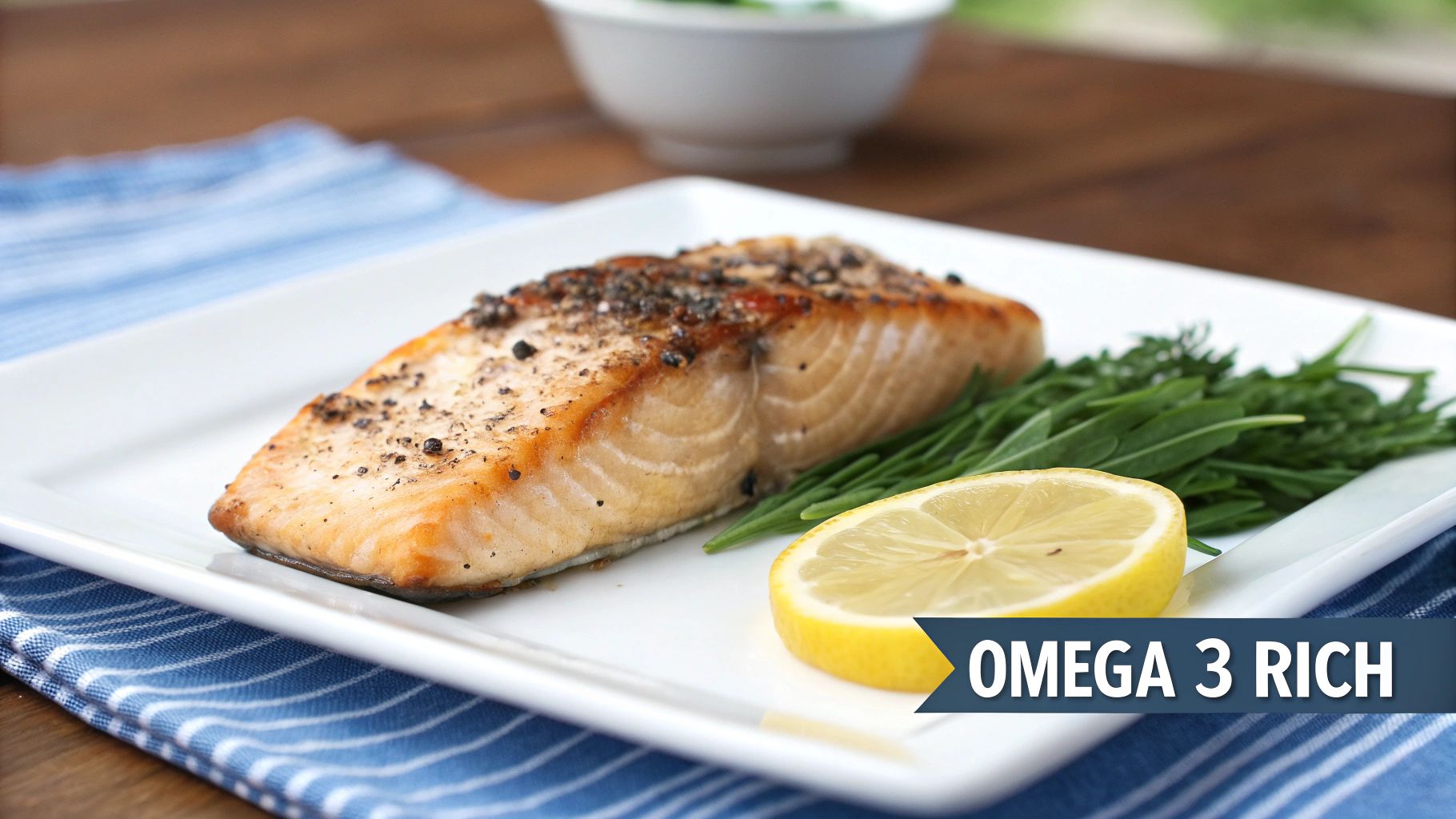
3. Fatty Fish (Salmon, Mackerel, Sardines)
Fatty fish like wild-caught salmon, mackerel, and sardines are powerhouses of nutrition, prized for their high concentration of omega-3 fatty acids. These essential fats, specifically EPA (eicosatetraenoic acid) and DHA (docosahexaenoic acid), are renowned for their anti-inflammatory properties and critical roles in brain and heart health. Beyond healthy fats, these fish deliver high-quality, easily digestible protein and a suite of vital micronutrients, including vitamin D, vitamin B12, and selenium.
This unique combination of protein, healthy fats, and vitamins solidifies fatty fish as a cornerstone of any nutrient-dense foods list. Including them in your diet is a highly effective strategy for supporting cognitive function, cardiovascular wellness, and overall systemic health.
Why They Deserve a Top Spot
The exceptional content of DHA and EPA is the primary reason fatty fish are so highly regarded. These omega-3s are integral components of cell membranes throughout the body and are especially concentrated in the brain and retina. Regular consumption has been linked to reduced triglycerides, lower blood pressure, and a decreased risk of chronic diseases. They also provide a rare natural food source of Vitamin D, which is crucial for bone health and immune function.
How to Implement Them
- Meal Ideas: Enjoy baked salmon with roasted asparagus for dinner. Add flaked mackerel to a mixed green salad for a protein-rich lunch. Mash sardines with avocado and lemon juice to spread on whole-grain toast.
- Shopping & Storage: When possible, choose wild-caught over farmed fish to ensure a better omega-3 to omega-6 ratio. Smaller fish like sardines and anchovies are lower in mercury. Buy frozen fillets, as they are often frozen at peak freshness and offer greater convenience and a longer shelf life.
- Pro Tip: To get a perfect, crispy skin on your salmon fillet, pat the skin completely dry with a paper towel before seasoning. Cook it skin-side down in a hot, oiled pan for several minutes without moving it until the skin releases easily and is golden brown.
4. Berries (Blueberries, Strawberries, Raspberries)
Colorful, sweet, and bursting with flavor, berries like blueberries, strawberries, and raspberries are nutritional powerhouses. They offer an exceptional amount of antioxidants, vitamins, and fiber in a low-calorie, low-sugar package. This impressive profile makes them a vital part of any nutrient dense foods list, celebrated for their role in combating inflammation, supporting brain health, and protecting against chronic disease.
Including a mix of different berries provides a wide array of beneficial plant compounds called polyphenols, particularly anthocyanins, which give them their vibrant red, blue, and purple hues. A single cup of mixed berries can supply a significant portion of your daily vitamin C and manganese needs, along with a healthy dose of dietary fiber.
Why They Deserve a Top Spot
Berries are renowned for their high concentration of antioxidants, which help neutralize harmful free radicals and reduce oxidative stress throughout the body. Their potent anti-inflammatory properties are linked to improved cognitive function and a lower risk of age-related diseases. The soluble fiber in berries also promotes a healthy gut microbiome and aids in managing blood sugar levels by slowing down sugar absorption. For a deeper dive into their protective qualities, explore this comprehensive antioxidant rich foods list.
How to Implement Them
- Meal Ideas: Blend frozen berries into a morning smoothie, stir them into oatmeal or yogurt, or add them to a spinach salad for a sweet contrast. For a simple dessert, enjoy a bowl of fresh berries with a dollop of Greek yogurt.
- Shopping & Storage: Buy organic when possible, as berries are on the "Dirty Dozen" list for pesticide residue. Frozen berries are an excellent, often more affordable, year-round option and retain their nutritional value. Look for "wild" varieties, especially blueberries, for a higher antioxidant content.
- Pro Tip: To maximize freshness, store unwashed berries in a single layer in a breathable container in the refrigerator. Wash them gently just before eating, as moisture can accelerate spoilage. To stock up, freeze fresh, dry berries on a baking sheet before transferring them to a freezer bag.
5. Legumes (Lentils, Chickpeas, Black Beans)
As a cornerstone of many traditional diets around the world, legumes like lentils, chickpeas, and black beans are plant-based powerhouses. They offer a potent combination of protein, complex carbohydrates, and fiber, making them a uniquely satiating and affordable addition to any nutrient-dense foods list. Their impressive profile of essential minerals, including iron, magnesium, and potassium, supports everything from energy production to cardiovascular health.
The high fiber content in legumes is particularly beneficial for gut health, feeding beneficial gut bacteria and promoting regular digestion. Combining them with grains, such as rice with beans, creates a complete protein source, providing all the essential amino acids your body needs.
Why They Deserve a Top Spot
Legumes are an excellent source of plant-based protein and are packed with polyphenols, which are compounds that act as antioxidants to help protect your cells from damage. Their low glycemic index helps stabilize blood sugar levels, providing sustained energy without the crash associated with simple carbs. The combination of soluble fiber and potassium in legumes also plays a significant role in maintaining healthy blood pressure and cholesterol levels, making them a heart-smart choice.
How to Implement Them
- Meal Ideas: Blend chickpeas into a creamy hummus, add black beans to tacos and salads, or simmer red lentils into a hearty, quick-cooking soup. Use Puy lentils as a base for satisfying grain bowls.
- Shopping & Storage: Both dried and canned legumes are great options. If using canned, look for low-sodium versions and rinse them thoroughly before use. Store dried legumes in airtight containers in a cool, dark pantry for up to a year.
- Pro Tip: To improve digestibility and reduce cooking time, soak dried legumes (except for lentils and split peas) in water for 8-12 hours before cooking. Discard the soaking water and cook them in fresh water with spices like ginger or cumin to help minimize gas production.
6. Cruciferous Vegetables (Broccoli, Cauliflower, Brussels Sprouts)
A vital component of any nutrient dense foods list, cruciferous vegetables like broccoli, cauliflower, and Brussels sprouts are renowned for their unique health-promoting compounds. They deliver a substantial dose of vitamins, fiber, and potent phytochemicals for very few calories, making them a cornerstone of diets focused on disease prevention and detoxification. Their standout feature is a group of sulfur-containing compounds called glucosinolates, which the body converts into powerful molecules like sulforaphane.
This family of vegetables is a testament to how food can function as powerful medicine. A single cup of chopped broccoli, for example, offers over 100% of the daily value for both Vitamin C and Vitamin K, supporting immune function and bone health simultaneously.
Why They Deserve a Top Spot
The primary reason cruciferous vegetables are celebrated is their connection to cancer prevention, largely attributed to sulforaphane's ability to support cellular detoxification pathways. These vegetables are also packed with fiber for digestive regularity and are excellent sources of folate, vitamin A, and potassium. Their compounds help reduce inflammation and combat oxidative stress throughout the body. For those interested in cultivating their own supply, you can learn how to grow nutrient-rich cabbage at home and enjoy these benefits fresh from the garden.
How to Implement Them
- Meal Ideas: Enjoy steamed broccoli with a squeeze of lemon as a simple side dish. Roast cauliflower florets with olive oil and spices until golden brown for a nutty flavor. Shred Brussels sprouts raw for a crunchy, refreshing slaw.
- Shopping & Storage: Look for vegetables with tight, compact heads and vibrant color, avoiding any with yellowing or soft spots. Store them unwashed in the crisper drawer of your refrigerator, where they can last for up to a week.
- Pro Tip: To maximize the formation of beneficial sulforaphane, chop or shred your cruciferous veggies and let them sit for about 40 minutes before cooking. This "hack and hold" method allows the enzyme myrosinase to fully convert glucosinolates into their active, health-boosting forms.
7. Nuts and Seeds (Almonds, Walnuts, Flaxseeds, Chia Seeds)
Often called nature's powerhouses, nuts and seeds are incredibly concentrated sources of healthy fats, protein, fiber, vitamins, and minerals. Despite being calorie-dense, their remarkable nutrient profile provides sustained energy, promotes satiety, and offers significant cardiovascular and cognitive benefits, firmly placing them on any nutrient dense foods list when consumed in appropriate portions.
From the omega-3s in walnuts and flaxseeds to the vitamin E in almonds, this category delivers a wide array of essential nutrients. Just a small serving, like one ounce of almonds (about 23 nuts), provides a good amount of fiber, protein, and healthy monounsaturated fats, making them an efficient way to fuel your body.
Why They Deserve a Top Spot
Nuts and seeds are celebrated for their heart-healthy fats, including monounsaturated and polyunsaturated fats like ALA omega-3s, which help support healthy cholesterol levels. They are also packed with antioxidants, magnesium for nerve function, and zinc for immune support. The combination of protein, fat, and fiber helps stabilize blood sugar and keeps you feeling full, which can aid in weight management.
How to Implement Them
- Meal Ideas: Sprinkle ground flaxseeds or chia seeds over oatmeal or yogurt. Blend a tablespoon of almond butter into a smoothie for a creamy texture and protein boost. Top salads with a handful of walnuts or pumpkin seeds for added crunch and nutrition.
- Shopping & Storage: Purchase raw or sprouted nuts and seeds to maximize nutrient availability. Store them in an airtight container in the refrigerator or freezer to prevent their healthy oils from going rancid and to protect against mold growth.
- Pro Tip: To improve digestion and reduce phytic acid, an anti-nutrient that can bind to minerals, try soaking raw nuts like almonds in water for 6-12 hours before eating. Rinse them well afterward. Similarly, grinding seeds like flax or chia just before use helps your body access their internal nutrients more effectively.
8. Organ Meats (Liver, Heart, Kidney)
Often overlooked in the modern Western diet, organ meats like liver, heart, and kidney are arguably the most nutrient-dense foods on the planet. Historically prized in traditional cultures, these "nose-to-tail" parts offer a far more concentrated source of vitamins and minerals than the muscle meats we commonly consume. This exceptional nutritional profile makes them a powerful tool for supporting energy levels, brain function, and overall vitality.
Including even small amounts of organ meats can provide a significant boost of essential nutrients. For instance, a mere 3.5-ounce serving of beef liver contains more than 100% of the daily value for Vitamin B12, Vitamin A, Riboflavin (B2), and copper, making it a true superfood in every sense.
Why They Deserve a Top Spot
Organ meats are nature's multivitamin. Liver, in particular, is an unparalleled source of bioavailable Vitamin A (retinol), crucial for vision, immune function, and reproductive health. They are also packed with B vitamins (especially B12 and folate), iron, phosphorus, zinc, and selenium. Heart is an excellent source of Coenzyme Q10 (CoQ10), a vital compound for energy production and cardiovascular health.
Regularly incorporating these foods can help combat nutrient deficiencies and support robust metabolic function. The historical significance and nutritional science behind consuming these parts are profound. You can explore the ancestral approach to diet and learn why our ancestors prioritized organ meats for optimal health.
How to Implement Them
- Meal Ideas: Finely chop or grind liver and mix it into ground beef for burgers, meatballs, or bolognese sauce. Pan-sear thinly sliced heart with onions and garlic. Create a traditional, savory pâté with chicken livers to spread on crackers or vegetables.
- Shopping & Storage: Quality is paramount. Always source from 100% grass-fed, pasture-raised animals to ensure the highest nutrient content and lowest toxin exposure. Organ meats can be frozen for up to six months.
- Pro Tip: If the strong flavor of liver is a concern, soak it in milk, lemon juice, or apple cider vinegar for 30-60 minutes before cooking. This simple step helps to mellow the taste and improve its texture, making it more approachable for beginners.
9. Sweet Potatoes and Root Vegetables
Sweet potatoes and other root vegetables like carrots and beets are premier sources of nutrient-dense carbohydrates. Unlike refined grains, they provide sustained energy alongside a wealth of vitamins, minerals, and antioxidants for very few calories. This powerful combination makes them a staple for anyone looking to fuel their body effectively while supporting overall wellness, from metabolic health to immune function.
Including a mix of these colorful vegetables ensures a diverse nutrient intake. For example, a single medium-sized sweet potato delivers a massive dose of beta-carotene (a precursor to Vitamin A), essential for vision and immune health, while beets provide unique betalain antioxidants known for their anti-inflammatory properties. This variety is key to building a resilient, well-nourished body.
Why They Deserve a Top Spot
Root vegetables are packed with dietary fiber, which promotes digestive regularity and feeds beneficial gut bacteria. They are also rich in antioxidants; orange varieties like sweet potatoes and carrots are high in beta-carotene, while purple sweet potatoes and beets contain anthocyanins and betalains, which help protect cells from damage. Their low glycemic index provides a steady release of energy, making them an excellent carbohydrate choice for athletes and anyone seeking stable blood sugar levels.
How to Implement Them
- Meal Ideas: Roast diced sweet potatoes and carrots with olive oil and herbs for a simple side dish. Grate raw beets and carrots into salads for a boost of color and nutrients. Steam and mash parsnips or turnips as a lower-carb alternative to white potatoes.
- Shopping & Storage: Look for vegetables with firm, smooth skin and no soft spots. Store them in a cool, dark, and well-ventilated place like a pantry, not the refrigerator, as cold temperatures can negatively affect their texture and taste.
- Pro Tip: To maximize the nutritional benefits, cook root vegetables with their skin on, as it contains a significant amount of fiber and nutrients. Also, try cooling them after cooking; this process develops resistant starch, a prebiotic that further supports gut health.
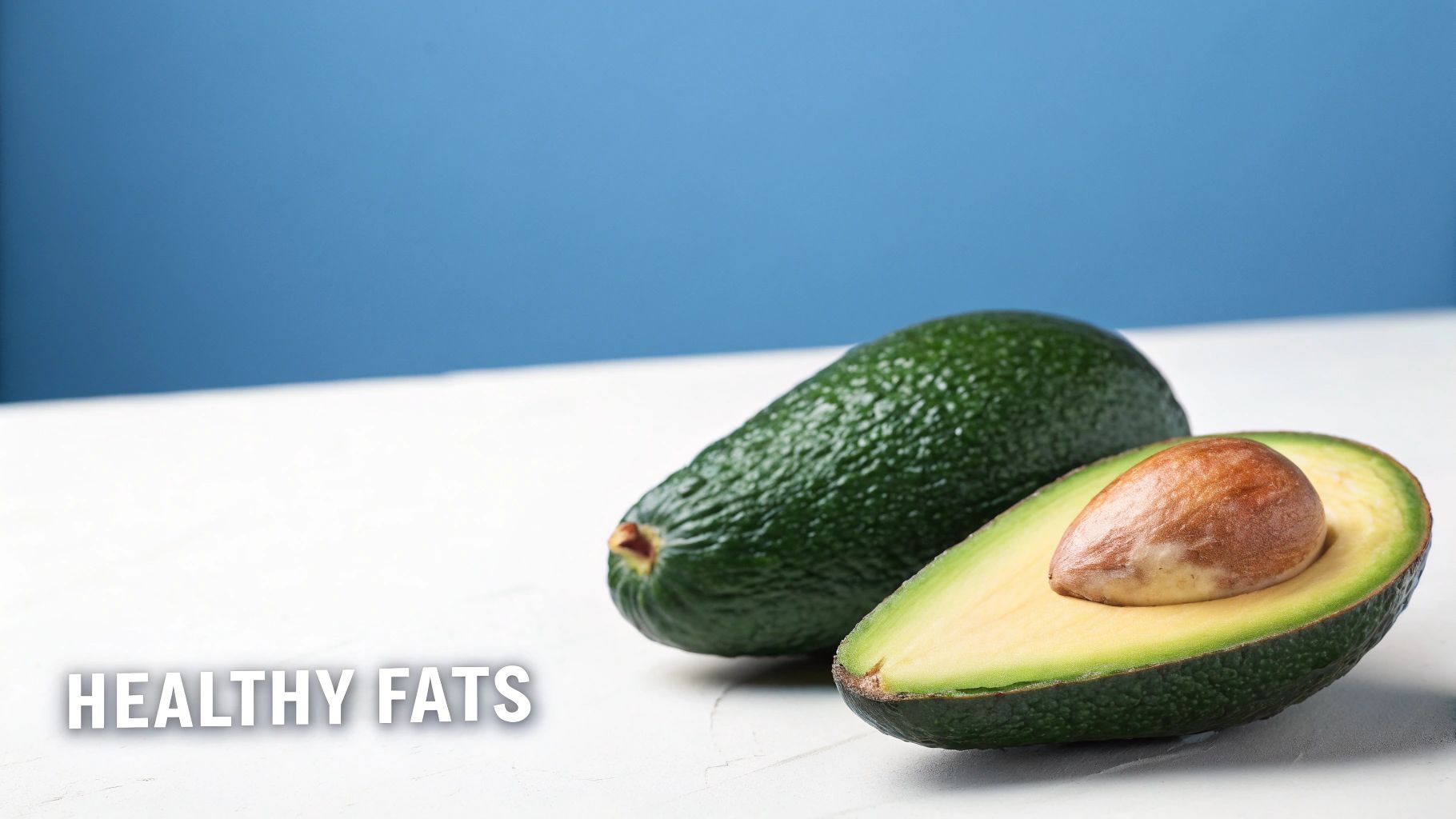
10. Avocados
Avocados are unique fruits celebrated for their high content of healthy monounsaturated fats, fiber, and an array of essential micronutrients. While higher in calories and fat than many other fruits, their exceptional nutrient profile makes them a cornerstone of any nutrient dense foods list. This density supports everything from cardiovascular health and sustained energy to enhancing the absorption of nutrients from other foods consumed alongside them.
The creamy texture and rich flavor of avocados like the popular Hass variety make them a versatile addition to countless meals, boosting both taste and nutritional value. They provide a substantial amount of potassium, folate, and vitamins K, C, B5, B6, and E.
Why They Deserve a Top Spot
Avocados are packed with oleic acid, a monounsaturated fatty acid linked to reduced inflammation and beneficial effects on genes linked to heart health. Their high fiber content, about 7 grams per 100-gram serving, promotes digestive regularity and contributes to a feeling of fullness, which can aid in weight management. Furthermore, the fats in avocados are crucial for absorbing fat-soluble vitamins (A, D, E, and K) from other plant foods, making them a powerful dietary synergist.
How to Implement Them
- Meal Ideas: Spread mashed avocado on whole-grain toast for a classic breakfast, add slices to salads and sandwiches, or blend into smoothies for a creamy texture. Create a simple guacamole with lime juice, cilantro, and onion.
- Shopping & Storage: Choose avocados that yield to firm, gentle pressure. To ripen a hard avocado, place it on the counter for a few days. Once cut, store the unused half with the pit still in, cover it tightly, and refrigerate to slow oxidation.
- Pro Tip: Use avocado as a healthy substitute for mayonnaise in chicken or tuna salad or as a replacement for butter in some baking recipes. A typical serving is about one-quarter to one-half of an avocado, which provides a significant nutrient boost without excessive calories.
Top 10 Nutrient-Dense Foods Comparison
| Food | Implementation complexity 🔄 | Resource requirements ⚡ | Expected outcomes 📊 | Ideal use cases 💡 | Key advantages ⭐ |
|---|---|---|---|---|---|
| Leafy Greens (Spinach, Kale, Swiss Chard) | Low 🔄 — minimal prep, quick use | Low ⚡ — inexpensive, perishable | 📊 High micronutrient & fiber density; low calories | 💡 Daily salads, smoothies, weight-management meals | ⭐ Very nutrient-dense, versatile, affordable |
| Eggs (Whole Eggs) | Low 🔄 — very quick to prepare | Low ⚡ — affordable, long shelf-life | 📊 Complete protein, choline, fat‑soluble nutrients | 💡 Breakfasts, meal prep, baking, satiety boost | ⭐ Complete amino acid profile; nutrient-rich yolk |
| Fatty Fish (Salmon, Mackerel, Sardines) | Moderate 🔄 — cooking/sourcing required | High ⚡ — cost, refrigeration, sustainability concerns | 📊 High EPA/DHA omega‑3s; heart & brain benefits | 💡 2–3 servings/week for cardiovascular & cognitive health | ⭐ Potent anti-inflammatory and omega‑3 source |
| Berries (Blueberries, Strawberries, Raspberries) | Low 🔄 — ready-to-eat or minimal prep | Moderate ⚡ — seasonal/price variability | 📊 Very high antioxidants (polyphenols); fiber-rich | 💡 Snacks, smoothies, topping for yogurt/oatmeal | ⭐ Antioxidant-dense; supports cognition & inflammation |
| Legumes (Lentils, Chickpeas, Black Beans) | Moderate 🔄 — soaking/cooking or canned use | Low ⚡ — very affordable, shelf-stable | 📊 High plant protein & fiber; improved glycemic control | 💡 Plant-protein meals, bowls, sustainable staples | ⭐ Affordable protein/fiber, sustainable, long shelf-life |
| Cruciferous Vegetables (Broccoli, Cauliflower, Brussels Sprouts) | Low–Moderate 🔄 — light prep; best lightly cooked | Low ⚡ — inexpensive, widely available | 📊 Glucosinolates → sulforaphane; detox & anticancer support | 💡 Steamed/roasted sides, sprouts for concentrated benefits | ⭐ Potent cancer‑fighting compounds; nutrient-dense |
| Nuts & Seeds (Almonds, Walnuts, Flaxseed, Chia) | Low 🔄 — minimal prep; portion control important | Moderate ⚡ — calorie-dense, can be costly | 📊 Concentrated healthy fats, protein, vitamins & minerals | 💡 Portable snacks, salad toppers, energy-dense additions | ⭐ Heart-healthy fats, sustained energy, nutrient concentration |
| Organ Meats (Liver, Heart, Kidney) | Moderate–High 🔄 — sourcing and cooking skill useful | Low–Moderate ⚡ — often affordable but variable supply | 📊 Extremely high B vitamins, heme iron, choline per calorie | 💡 Targeted for correcting deficiencies, small portions | ⭐ Exceptional nutrient density; addresses micronutrient gaps |
| Sweet Potatoes & Root Vegetables | Low 🔄 — require cooking but simple | Low ⚡ — affordable, shelf-stable | 📊 Nutrient-rich carbs (beta‑carotene, fiber); sustained energy | 💡 Athletic meals, sides, cooled for resistant starch | ⭐ Nutrient-dense carbohydrate source; versatile |
| Avocados | Low 🔄 — minimal prep; ripeness timing | Moderate ⚡ — higher cost, short ripe window | 📊 High monounsaturated fats; improves absorption of fat‑soluble vitamins | 💡 Salads, spreads, pairing with vegetables for nutrient absorption | ⭐ Heart-healthy fats, satiating, enhances nutrient uptake |
Putting It All Together: Your Blueprint for Nutrient-Dense Living
You've just explored a comprehensive nutrient dense foods list, from the foundational power of leafy greens and fatty fish to the specialized benefits of organ meats and legumes. This journey through vibrant, life-sustaining foods is more than just a catalog; it's a practical guide to reclaiming your vitality, one bite at a time. The core principle is simple: prioritize foods that deliver the maximum amount of micronutrients for the fewest calories.
However, understanding what to eat is only half the battle. The true transformation happens when you translate this knowledge into daily habits. This isn't about a radical, overnight diet overhaul that leaves you feeling deprived. Instead, it’s about strategic, incremental upgrades that build sustainable momentum. The goal is to create a resilient, adaptable eating pattern that serves you through every season of life.
From List to Lifestyle: Your Action Plan
Transitioning from reading a list to living a nutrient-dense lifestyle requires a clear, manageable strategy. Here’s how you can start integrating these powerful foods into your routine, beginning today.
-
The "Plus One" Method: Don't try to add everything at once. Each week, focus on incorporating just one new food from this list. If you don't typically eat fatty fish, add a serving of wild-caught salmon to one dinner. If your vegetable rotation is stale, buy Swiss chard instead of your usual lettuce. This gradual approach prevents overwhelm and builds lasting habits.
-
Focus on Swaps, Not Subtraction: Frame your changes as upgrades. Instead of thinking "I can't have chips," think "I'll swap them for crispy roasted chickpeas or a handful of walnuts." Swap a sugary breakfast cereal for a bowl of Greek yogurt topped with blueberries and chia seeds. This positive reframing makes healthy eating an act of empowerment, not restriction.
-
Meal Prep with Nutrient Density in Mind: When you prepare meals for the week, anchor them around items from this nutrient dense foods list. Cook a large batch of lentils or quinoa to add to salads and bowls. Hard-boil a dozen eggs for quick, protein-packed snacks. Wash and chop broccoli and kale so they are ready to be steamed or sautéed for a fast weeknight side dish.
Bridging the Gaps for Peak Performance
Even with the most dedicated approach to whole-foods eating, modern life can present challenges. Soil depletion means our produce may have fewer minerals than it once did, and busy schedules can make it difficult to consistently hit every nutritional target. This is where intelligent, high-quality supplementation plays a crucial role, acting as a nutritional safety net and a performance amplifier.
Think of it as a synergistic partnership. The whole foods you eat lay the foundation, providing fiber, complex phytonutrients, and the fundamental building blocks of health. Targeted supplements then fill in the specific gaps and provide concentrated doses of key compounds to elevate your results.
For instance, a scoop of Peak Performance Organic Greens in your morning smoothie ensures you start the day with a potent blast of vitamins, minerals, and antioxidants, complementing the leafy greens in your salad later. For those especially demanding days or intense workout schedules, adding our Hydrolyzed Collagen can provide targeted support for joint integrity and tissue repair. Similarly, our Vitamin D+K formula addresses a common deficiency that is difficult to correct through diet alone, supporting everything from bone density to immune function. By combining a diet rich in the items from our nutrient dense foods list with clean, effective supplements, you create an unbeatable system for lasting health and vitality.
Ready to elevate your nutrient intake and fill any gaps in your diet? Explore the full range of organic, third-party tested supplements from Peak Performance. Our products are designed to complement a healthy diet, helping you unlock your body's full potential with the cleanest ingredients on Earth. Start building your peak wellness routine today.
Also in Blog


Turkey Tail Mushroom: Boost Your Immune System in 2026


Boost Focus: Best Eye Support Supplements for 2026

