


What Is Oxidative Stress and How to Fight It
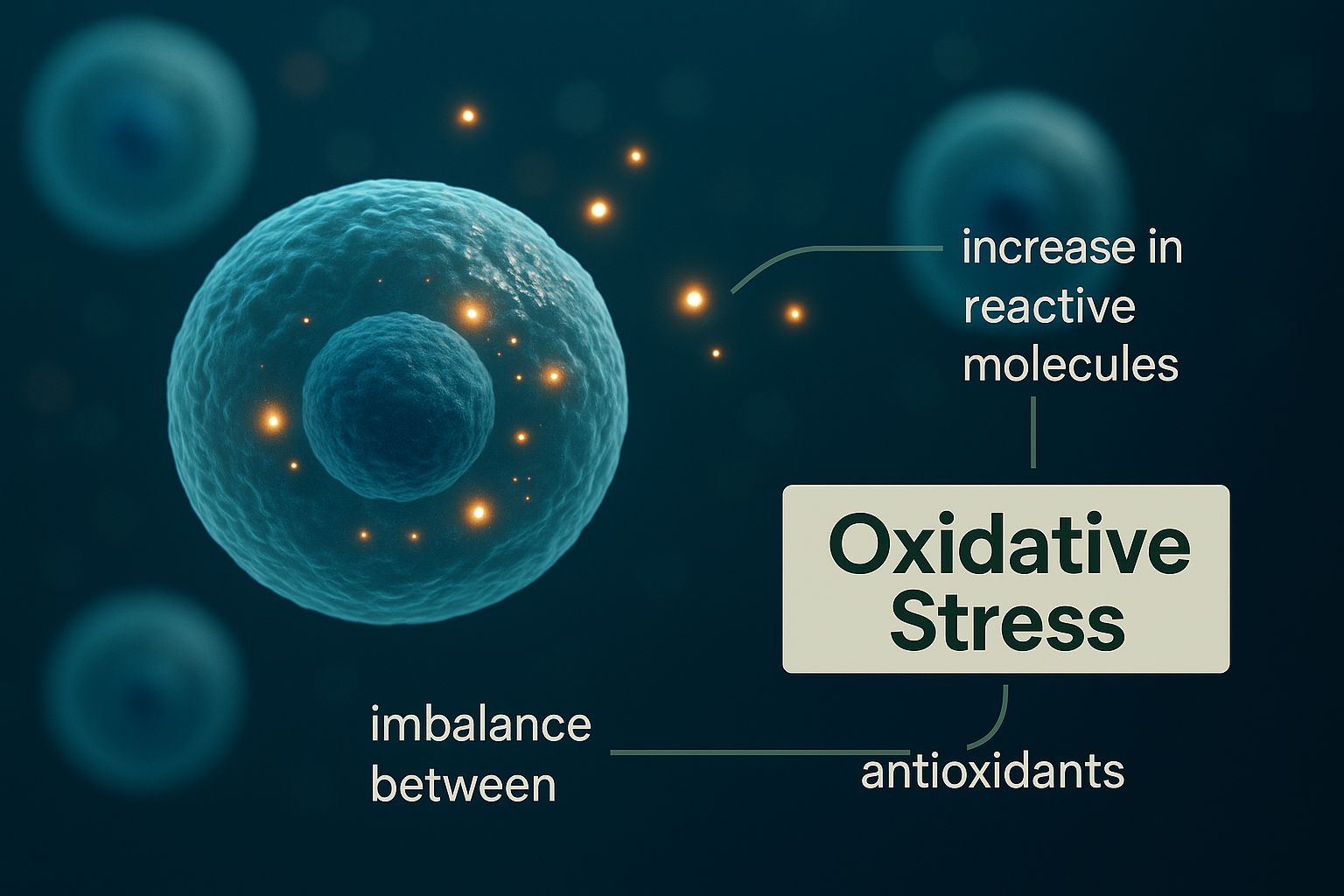
Oxidative stress is what happens when there's an imbalance between damaging free radicals and protective antioxidants in your body. It's like a biological tug-of-war. If the free radical team starts winning, they begin to cause serious damage to your cells, proteins, and even your DNA.
The Cellular Tug of War Inside Your Body
Picture a constant, microscopic battle raging inside every single one of your cells. On one side, you have free radicals—these are unstable, rogue molecules that are natural byproducts of everyday life. They’re created when you convert food to energy, exercise, or even fight off an infection.
On the other side, you have antioxidants, the good guys. These are the protective compounds your body produces and gets from food, and their job is to keep the free radicals in check.
This constant push and pull is happening 24/7. When things go wrong, these highly reactive free radical molecules can overwhelm our cellular defenses.
Understanding the Key Players
Now, it's important to know that free radicals aren't inherently evil. When their numbers are under control, they actually play key roles in your immune system and cellular communication. The problem isn't their existence—it's their excess.
When the production of free radicals skyrockets, they overpower your body’s antioxidant defenses. This imbalance is the very definition of what is oxidative stress.
It’s not a disease itself, but rather an underlying condition that creates a dangerous environment inside your body. Think of it like a prolonged drought making a forest bone-dry—it dramatically increases the risk of a wildfire.
This cellular struggle has massive implications for your long-term health. A constant state of oxidative stress means your cells are under relentless attack, which can speed up the aging process and contribute to a whole host of health problems. To get a deeper look at this, check out our guide on how to improve your cell and mitochondrial health.
To make the roles of these two players crystal clear, here’s a quick breakdown.
Free Radicals vs Antioxidants A Quick Comparison
This table highlights the core differences between these two types of molecules and the roles they play in our bodies.
| Characteristic | Free Radicals | Antioxidants |
|---|---|---|
| Molecular State | Unstable, missing an electron | Stable, can donate an electron without becoming unstable |
| Primary Role | Can damage cells, DNA, and proteins | Neutralize free radicals and prevent cellular damage |
| Origin | Byproducts of metabolism, UV rays, pollution, poor diet | Produced by the body and found in nutrient-rich foods |
| Effect on Body | Contributes to aging and chronic health conditions | Supports cellular health, reduces inflammation, protects |
| Balance | Excess leads to oxidative stress | Sufficient levels maintain cellular equilibrium |
In short, one group causes chaos, while the other restores order.
Why Balance Is Everything
Keeping a healthy balance between these two forces is absolutely essential for optimal health. When you have plenty of antioxidants, they can safely neutralize free radicals by giving them an electron, effectively disarming them before they can do any harm.
A simple way to think about it: free radicals are like sparks flying from a campfire. A few sparks are normal and harmless. But if a strong wind kicks up and sends a storm of sparks into dry grass, you've got a serious problem. Antioxidants are the water you use to douse those sparks before they start a fire.
So, what throws this delicate balance off? Several factors can tip the scales in favor of free radicals:
- Environmental Exposure: Pollutants, radiation, and UV rays from the sun can generate a flood of free radicals in your system.
- Lifestyle Choices: A diet high in sugar and processed foods, smoking, and excessive alcohol are major culprits.
- Internal Processes: Even normal bodily functions like metabolism and inflammation naturally produce free radicals.
When these factors pile up, they place a heavy burden on your body's antioxidant supply. The resulting damage can impact everything from your skin's elasticity to the function of your most vital organs. Understanding this dynamic is the first step toward taking control and strengthening your body’s natural defenses against this invisible threat.
Where Does Oxidative Stress Come From?
So, if our cells are in this constant tug-of-war, what gives the free radical team its brute strength? Free radicals don't just materialize out of thin air. They have distinct origins—some are created inside your body, while others invade from the outside world.
Knowing where they come from is half the battle. It gives you a roadmap for where to make changes and lighten your oxidative load. You can’t stop every single free radical from being made, but you can absolutely step in to prevent them from spiraling out of control.
The Internal Sources of Free Radicals
Your body is an incredibly busy place, and just like a car's engine produces exhaust, many of its normal, life-sustaining activities create free radicals as a byproduct.
These internal sources are just part of being alive. A healthy body has built-in antioxidant defenses to manage them.
- Metabolism: Simply converting the food you eat into energy inside your mitochondria—the powerhouses of your cells—is the number one source of internal free radical production.
- Immune Response: When your body is fighting off bacteria or viruses, your immune cells unleash a tactical burst of free radicals to destroy the invaders. It's a necessary weapon, but it adds to your overall oxidative load.
- Inflammation: Whether it’s acute inflammation from an injury or the chronic, simmering kind, your body generates a ton of free radicals as part of that response.
These processes are vital for survival. The key is that your body is designed to handle this baseline level of free radical activity. The real trouble starts when outside forces crash the party.
External Factors That Fuel Oxidative Stress
This is where the scale often tips dramatically in favor of free radicals. These environmental and lifestyle factors dump a massive, unnatural load of free radicals into your system, quickly draining your antioxidant reserves.
Think of your body as a factory. Normal operations create a little smoke (internal free radicals), which a good ventilation system can handle. But when outside pollution, poor maintenance, and hazardous materials are introduced (external factors), the factory quickly fills with toxic smog, overwhelming every system.
This "toxic smog" comes from things you encounter every single day:
- Pollution and Toxins: Air pollution, industrial chemicals, pesticides, and heavy metals are foreign invaders that trigger a massive surge in free radical production. Even something as overlooked as dirty air ducts can significantly increase your body's oxidative load. You can learn more about the specific health problems associated with dirty air ducts to understand these hidden risks.
- UV Radiation: Too much sun exposure generates a huge volume of free radicals right in your skin. This is a primary driver of premature aging and skin damage.
- Unhealthy Diet: Diets packed with processed foods, trans fats, artificial sweeteners, and way too much sugar are a direct pipeline for fueling inflammation and oxidative stress.
- Harmful Habits: Smoking and excessive alcohol consumption are two of the most aggressive external sources. They literally flood your body with an astronomical number of free radicals.
The medical world is taking this connection seriously. The global market for oxidative stress assays—the tests used to measure this cellular damage—was valued at USD 1.12 billion in 2023 and is projected to hit USD 3.09 billion by 2034. That's a huge jump, and it shows a growing urgency to understand and manage this problem.
Understanding this link between your environment, your choices, and your cellular health is the first real step toward taking back control.
How Oxidative Stress Affects Your Long-Term Health
When that cellular tug-of-war is consistently lost, the damage isn't just microscopic—it stacks up over time, eventually impacting your entire body. While a little oxidative stress now and then is no big deal, a chronic imbalance sets the stage for some serious long-term health problems.
It’s important to get this straight: oxidative stress isn't a disease itself. Think of it more as an underlying agitator that accelerates wear and tear, making your body far more vulnerable to a whole range of conditions.
I like to use the analogy of rust on a car. One tiny spot isn't a catastrophe, but if you ignore it for years, that rust will eat right through the metal and compromise the car’s entire structure. Chronic oxidative stress does something similar, slowly degrading your cells, tissues, and organs from the inside out.
This is the kind of cumulative damage that translates into very real, tangible health concerns. It’s the invisible force that can make you feel older than you are, experience more frequent aches, and leave you with less resilience to fight off illness.
The Vicious Cycle of Oxidative Stress and Chronic Inflammation
One of the most immediate knock-on effects of unchecked free radical activity is chronic inflammation. These two are partners in crime, locked in a destructive cycle. Free radicals can trigger inflammatory responses, and that inflammation, in turn, generates even more free radicals.
This isn't the helpful, short-term inflammation you get after twisting an ankle. This is a low-grade, simmering fire that persists throughout your body, damaging tissues and disrupting normal cellular function for months, or even years. This persistent state is a known driver of many age-related health issues.
How Cellular Damage Hits Your Major Body Systems
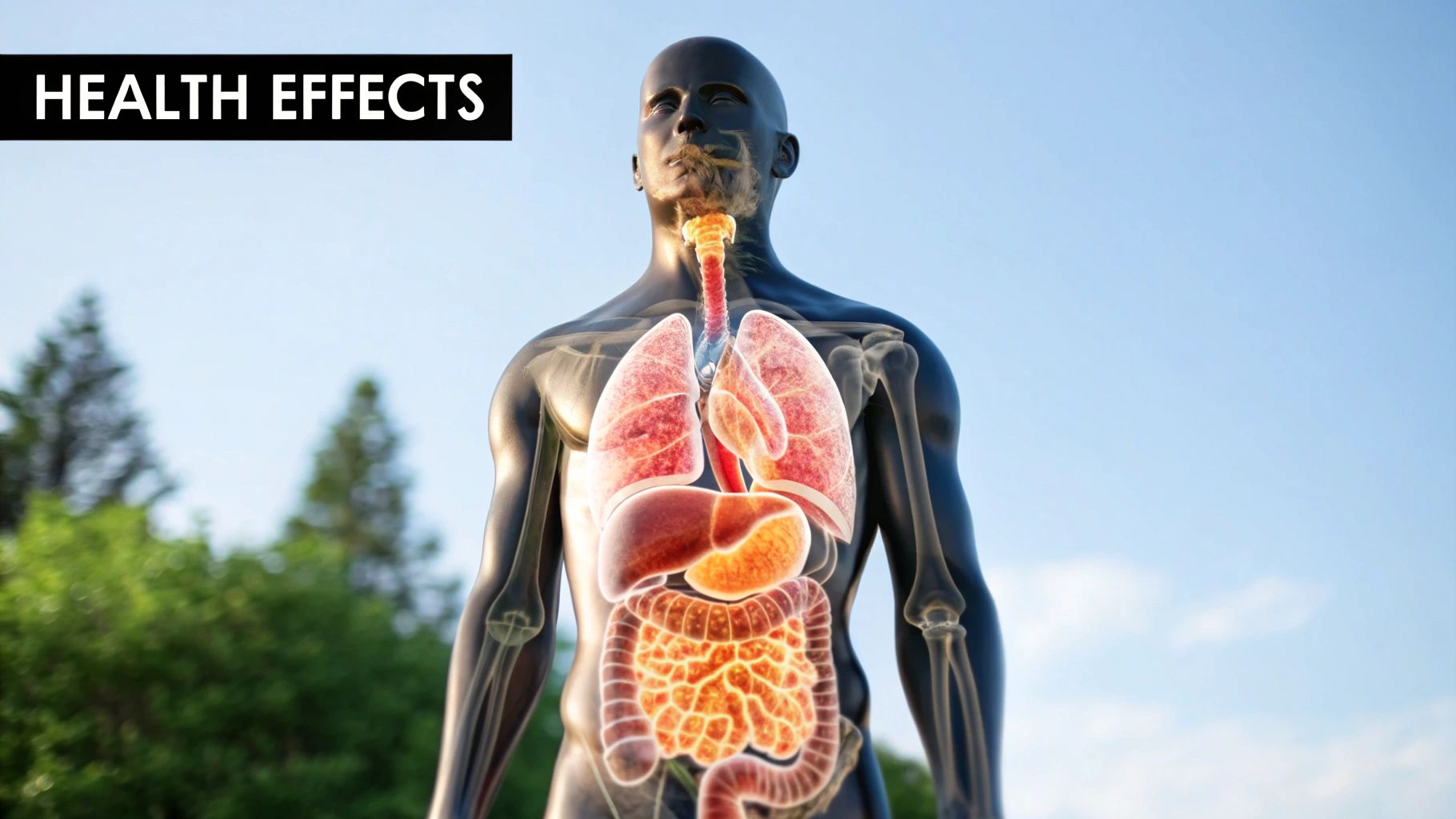
This relentless attack from free radicals doesn't play favorites. It can harm virtually any cell in your body, but a few systems are particularly vulnerable because of their high metabolic activity and oxygen use.
- Your Heart and Blood Vessels: Free radicals can damage the delicate lining of your arteries and oxidize cholesterol, making it much more likely to form plaque. This process, known as atherosclerosis, is what narrows your blood vessels and is a major contributor to cardiovascular problems.
- Your Brain and Nervous System: The brain is an absolute powerhouse, consuming about 20% of the body's oxygen. This makes it extremely susceptible to oxidative damage, which is a key factor in cognitive decline and has been linked to the development of neurodegenerative disorders.
- Your Skin and the Aging Process: On the outside, oxidative stress is a primary culprit behind the visible signs of aging. Free radicals attack and break down collagen and elastin—the proteins that keep your skin firm and bouncy—leading directly to wrinkles, fine lines, and sagging.
This widespread impact really hammers home why getting a handle on oxidative stress is so critical for long-term vitality.
Oxidative stress has been identified as a significant factor in the development and progression of various chronic diseases, including cardiovascular diseases, neurodegenerative disorders, cancer, and diabetes. The global prevalence of chronic respiratory diseases, which are also linked to oxidative stress, is around 454.6 million cases. Find out more about the critical research connecting oxidative stress to widespread health conditions. Learn more about these findings on the National Center for Biotechnology Information's website.
A Foundational Cause, Not Just a Symptom
It’s all too easy to focus on treating the symptoms of chronic conditions, but understanding the root causes is where the real power lies. Oxidative stress is a foundational problem, silently chipping away at your health and increasing your risk profile for countless issues over your lifetime.
When you address this imbalance, you're not just putting a band-aid on a symptom—you're reinforcing your body's fundamental ability to protect and repair itself. Supporting your internal antioxidant defenses is one of the most proactive steps you can take for your long-term well-being. A great way to start is by incorporating a potent source of antioxidants into your daily routine, such as with our Organic Reds Superfood powder, which is packed with polyphenols to help combat free radical damage.
Strengthen Your Defenses with an Antioxidant Diet
Now that we’ve pulled back the curtain on how oxidative stress quietly builds up, here’s the good news: you have an incredible amount of power to fight back. Fortifying your body's antioxidant defense system is your best move, and it all starts with what’s on your plate.
Think of your meals as a strategic defense plan against free radical damage. By building a diet around certain key nutrients, you’re giving your body the exact tools it needs to win that constant cellular tug-of-war. These dietary heroes are compounds you've probably heard of—vitamins, minerals, and phytonutrients—and they are absolute masters at neutralizing those rogue free radicals.
How Food-Based Antioxidants Protect You
So, how does it actually work? Imagine antioxidants as generous donors. Free radicals are unstable and destructive because they're missing an electron, which makes them snatch one from a healthy cell nearby. Antioxidants, on the other hand, have an extra electron to spare. They can simply hand one over to a free radical, stabilizing it on the spot and ending its destructive rampage.
This simple act, happening millions of times a day inside you, is what keeps your cells safe. Key players in this operation include vitamins C and E, beta-carotene (which your body converts to vitamin A), and the mineral selenium. Each one has a unique role in your body's defense network.
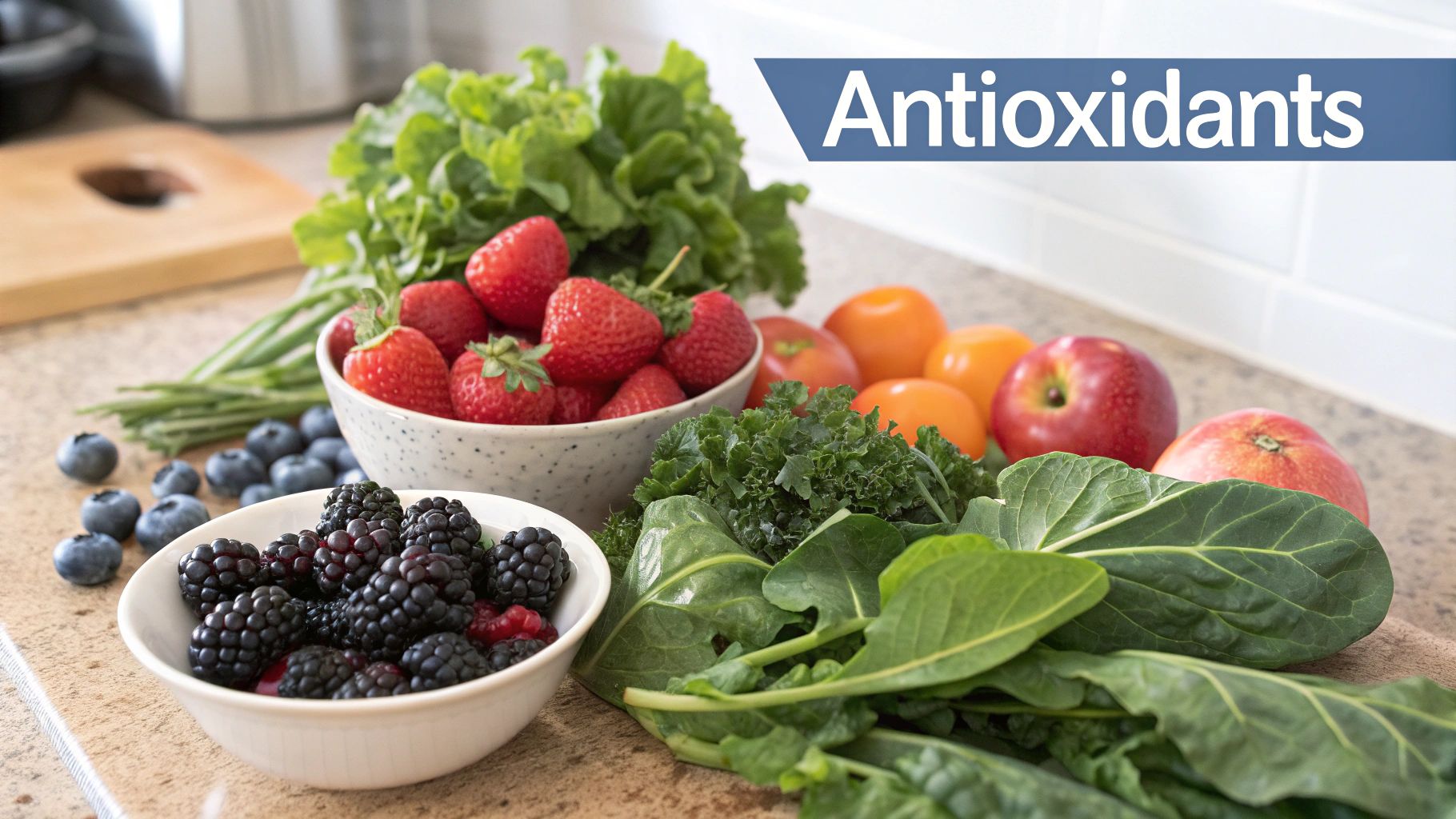
Eating a "colorful" diet isn't just a catchy phrase; it's a legitimate scientific strategy. Those vibrant pigments you see in fruits and vegetables are often powerful antioxidants. This means every meal is an opportunity to send reinforcements to your front lines. For those who want to take it a step further, growing your own essential medicinal herbs to grow at home can give you a fresh, direct source of these potent natural compounds right from your own garden.
Top Antioxidant Foods for Your Diet
Building your grocery list around antioxidant-rich foods is the easiest way to make consistently healthy choices. Instead of feeling overwhelmed, just focus on adding a few items from each category into your weekly meals.
Here’s a quick-glance table to guide you on your next trip to the store.
| Food Group | Examples | Key Antioxidants |
|---|---|---|
| Vibrant Fruits | Blueberries, strawberries, oranges, kiwi | Vitamin C, Flavonoids, Anthocyanins |
| Leafy Greens | Spinach, kale, Swiss chard | Vitamins A, C, & E, Lutein, Zeaxanthin |
| Colorful Veggies | Bell peppers, broccoli, carrots, beets | Beta-Carotene, Lycopene, Vitamin C |
| Nuts and Seeds | Almonds, walnuts, sunflower seeds | Vitamin E, Selenium, Omega-3 Fatty Acids |
| Legumes & Grains | Black beans, lentils, quinoa, oats | Polyphenols, Fiber, Saponins |
This is just a starting point, of course. The real key is variety. Different antioxidants protect different types of cells, so getting a wide range of colorful, whole foods provides the most comprehensive shield against the damage that defines oxidative stress.
Putting It All Into Practice
Making these changes doesn't mean you have to overhaul your entire diet overnight. The best approach is to start with small, manageable steps that build momentum.
- Add Berries to Your Breakfast: A handful of blueberries or strawberries tossed into oatmeal, yogurt, or a smoothie is a fantastic way to kick off your day with a powerful antioxidant boost.
- Sneak in Leafy Greens: You can add a handful of spinach to pretty much anything—eggs, pasta sauce, smoothies. You often won't even taste it, but your cells will definitely feel the benefits.
- Make Colorful Salads: It’s time to move beyond plain iceberg lettuce. Build your salads on a base of dark greens and pile on a rainbow of veggies like red bell peppers, carrots, and cucumbers.
The goal is to make antioxidant-rich eating a sustainable habit, not a temporary fix. Every meal is a chance to fortify your cells and tilt the balance back in your favor, protecting your long-term health from the inside out.
For a more in-depth guide and creative ideas, check out our complete antioxidant-rich foods list. By making these nutrient-dense options a priority, you’re actively reducing your body's oxidative load and building a more resilient foundation for lasting wellness.
Lifestyle Changes That Lower Your Oxidative Load
While a diet packed with antioxidants gives you the raw materials to fight free radicals, it’s your daily habits that really dictate how intense that fight needs to be. What you do beyond the kitchen plays a massive role in dialing down your body’s total oxidative load.
Adopting the right habits can either slash the number of free radicals your body creates in the first place or seriously amp up its own built-in antioxidant defenses. This isn't just about adding one or two healthy things; it's about building a complete strategy that protects you from the inside out.
Find Your Balance with Moderate Exercise
Getting your body moving regularly is one of the best things you can do for your health, and a big reason why is that it actually boosts your body's own antioxidant production. When you exercise at a moderate intensity, you put a small, manageable amount of stress on your cells. Think of it as a fire drill—it signals them to power up their internal defenses and get stronger.
But here’s the catch: there’s a sweet spot. Pushing yourself to the absolute limit day in and day out can completely backfire.
Intense, exhaustive exercise can actually crank up free radical production so much that it overwhelms your antioxidant defenses. The result is more oxidative stress, not less. The real goal is consistent, energizing movement, not constant, grueling intensity.
You want a routine that leaves you feeling energized, not totally wiped out.
- Moderate Aerobic Activity: Aim for about 150 minutes a week. Think brisk walking, cycling, or swimming.
- Strength Training: Hit the weights or do bodyweight exercises at least two days a week to keep your metabolic health humming.
Master Your Stress Response
Chronic stress is a huge, often overlooked, driver of oxidative stress. When you’re constantly on edge, your body is marinating in stress hormones like cortisol, which directly triggers a flood of free radicals.
This is why stress-reduction techniques aren't just "nice to have"—they are non-negotiable for your cellular health. Things like meditation, deep breathing exercises, or a good yoga session can calm your nervous system right down, cutting off that surge of damaging hormones at the source.
Prioritize Restorative Sleep
Sleep is prime time for your body’s repair crew. While you’re in a deep slumber, your cells are hard at work clearing out toxins, fixing damage, and regenerating. This nightly cleanup is absolutely essential for keeping your oxidative load in check.
When you consistently fall short of that 7 to 9 hour target, this critical repair cycle gets cut short. Cellular junk builds up, your antioxidant defenses get weaker, and you’re left far more vulnerable to the effects of oxidative stress.
Minimize Your Exposure to Environmental Toxins
Finally, you have to be smart about the external factors that dump a heavy free radical burden on your system. You can’t live in a bubble, but you can take some simple, powerful steps to reduce your exposure.
- Avoid Smoke: Cigarette smoke is one of the most concentrated sources of free radicals out there. If you smoke, quitting is the single biggest move you can make. Avoiding secondhand smoke is just as important.
- Be Sun Smart: A little sun is great, but excessive UV radiation generates a massive free radical hit on your skin. Use a good sunscreen and wear protective clothing when the sun is at its strongest.
- Reduce Chemical Exposure: Be conscious of the pesticides, harsh cleaning chemicals, and plastics you come into contact with. Choosing natural alternatives whenever possible helps lighten your body's toxic load significantly.
By weaving these lifestyle habits together with a nutrient-rich diet, you create a powerful synergy that keeps that internal tug-of-war in a healthy, stable balance. For an extra layer of defense, consider a supplement designed to support your body's natural detoxification pathways, like our Organic Greens Superfood powder.
Smart Supplementation for Extra Antioxidant Support
A healthy diet is your absolute best foundation for fighting oxidative stress. But let’s be realistic—our modern lives can make it tough to get a consistently high intake of every antioxidant you need, every single day.
This is where smart, targeted supplementation can step in to provide powerful reinforcement for your body’s natural defenses.
Think of it this way: your diet builds the main wall of your cellular fortress. High-quality supplements act as the elite guards patrolling the perimeter, offering an extra layer of security exactly where you need it most.
Why Consider Supplementation
Even if you eat incredibly well, several factors can crank up your need for antioxidant support beyond what food alone can provide. High levels of environmental toxins, chronic stress, or an intense exercise regimen all increase your body's demand for these protective nutrients.
A well-formulated supplement helps ensure your antioxidant reserves are always topped up and ready to neutralize free radicals before they can cause significant damage. It's a proactive approach to maintaining the delicate balance your cells need for long-term health.
- Filling Nutritional Gaps: Supplements can provide key antioxidants that might be low in your diet, ensuring you have a more complete defense system.
- Providing Concentrated Doses: They can deliver a higher potency of specific compounds, like Vitamin C, than you could reasonably get from food alone during times of high stress.
- Convenience and Consistency: A supplement offers a simple, reliable way to support your body daily, especially when life gets hectic.
Targeted Support for Cellular Defense
Different antioxidants work in different ways and in different parts of the body. Because oxidative stress is so widespread, a multi-faceted approach that combines key vitamins with potent plant-based compounds often provides the most robust protection.
Take Vitamin C, for example. It's a water-soluble antioxidant that works throughout the body, but it’s especially vital for immune function and skin health. It's a true workhorse, directly neutralizing free radicals and even helping to regenerate other antioxidants like Vitamin E.
By combining a solid diet with targeted supplements, you create a powerful synergy. The food provides a broad spectrum of nutrients, while the supplements deliver a potent, focused dose of the compounds your body needs most to combat the effects of a high-stress world.
For a potent source, our Liposomal Vitamin C is designed for enhanced absorption, delivering this essential antioxidant directly to your cells where it’s needed most.
A comprehensive blend can also offer a synergistic effect, creating a team of defenders that work together. Combining antioxidants like those found in berries, greens, and other superfoods is a great strategy. This is where products like our Organic Reds Superfood powder come in, offering a wide array of polyphenols and other phytonutrients in one convenient scoop.
Ultimately, the goal is to complement your diet and lifestyle, not replace them. When you combine healthy eating, consistent exercise, stress management, and smart supplementation, you build a complete, 360-degree defense against oxidative stress. As you strengthen your body's core energy systems, you might also find value in exploring the best mitochondria supplement options to further enhance your cellular vitality.
Still Have Questions About Oxidative Stress?
As we wrap up our deep dive into the world of free radicals and cellular health, you might still have a few questions. This stuff can get pretty technical, so let’s tackle some of the most common ones to make sure you’re feeling confident.
Can You Completely Eliminate Free Radicals?
In a word, no—and you wouldn't want to! It sounds counterintuitive, but your body actually needs a certain amount of free radicals to function properly. For example, your immune system cleverly unleashes a targeted burst of them to destroy invading pathogens.
The real goal isn't total elimination; it's balance. Think of it like maintaining a garden. You want to pull the weeds (excess free radicals) so your healthy plants (your cells) can thrive. Your job is to support your body’s natural antioxidant defenses so they can keep things in check.
What Is the Difference Between Oxidative Stress and Normal Aging?
This is a fantastic question because the two are so closely linked. Normal aging is a natural, unavoidable process. But you can think of chronic oxidative stress as putting the accelerator to the floor on that process.
It’s like the difference between a classic car that's been garage-kept and meticulously maintained for 20 years versus one that’s been left outside to rust. Both are older, but one shows far more wear and tear. Oxidative stress is that premature rust.
By managing oxidative stress, you aren't stopping the clock on aging. Instead, you're promoting a healthier, more graceful journey by minimizing the cellular damage that makes you look and feel older than your years.
How Quickly Can Lifestyle Changes Help?
The good news is that your body is incredibly responsive, and you can start tipping the scales back in your favor pretty quickly. The exact timeline varies, but positive changes start to add up fast.
- Dietary Changes: Loading up on antioxidant-rich foods can start bolstering your body's defenses within just a few weeks.
- Exercise: The powerful effect of moderate exercise on your internal antioxidant systems really begins to compound after a few months of consistent effort.
- Quitting Smoking: The benefits here are almost immediate. You can see significant drops in oxidative stress markers within weeks of quitting.
Every positive choice builds on the last, steadily lowering your oxidative load and creating a more resilient you.
For a strong foundation in cellular health, you need clean, powerful nutritional support you can trust. Give your body the backup it needs with our Organic Reds Superfood powder, packed with a diverse blend of antioxidants to help you win the daily fight against free radicals.
Also in Blog


How to Increase Stamina Naturally and Boost Energy


How to Increase Energy Naturally

