


Top 10 Signs Your Body Needs Beet Root Capsules
You eat well, sleep enough, and still feel physically sluggish. Your fingers are cold on a mild day, your energy drops before dinner, and the first set of squats sends your heart rate higher than expected. A third coffee might sharpen your attention, but it won't fix a circulation problem.
That pattern can point to underperforming nitric oxide signalling, although it can also reflect anemia, thyroid issues, medication effects, dehydration, or cardiovascular disease. Beet root capsules are worth considering when the problem looks like a circulation and exercise-support issue, not when they're being used to mask unexplained symptoms.
Why You Might Be Running on Low Nitric Oxide
You can feel a circulation gap before a blood-pressure reading confirms anything. Cold hands, heavy legs on familiar walks, slow recovery, or a midday slump may point to underperforming nitric oxide signalling. They can also come from anemia, thyroid problems, medication effects, dehydration, cardiovascular disease, poor food intake, or excessive training load, so treat them as prompts to investigate rather than proof of a deficiency.
Nitric oxide is a short-lived molecule produced by the lining of your blood vessels. It signals surrounding smooth muscle to relax, allowing vessels to widen and blood to move more freely. That process influences blood pressure, oxygen delivery, muscle function, and circulation to the hands, feet, brain, and sexual organs.
Practical rule: Use symptoms to decide what to check, not to diagnose yourself with a supplement.
The strongest human evidence for beet-based nitrate concerns blood pressure. The 2017 meta-analysis of 43 randomized controlled trials found a clearer effect on systolic pressure than diastolic pressure. The exact trial figures belong in the research section, where the evidence is examined without turning beetroot into a universal circulation solution.
For a practical comparison of supplement formats, read this guide to beet root powder. Capsules earn a place in your routine only when the label states the actual nitrate content. A large beetroot weight with no nitrate figure tells you little. Skip products that offer only vague “circulation support.”
The ten signs below connect familiar experiences with plausible circulation issues and a usable nitrate benchmark. Check each sign against the minimum nitrate dose printed on the label. The goal is a standardized trial with a measurable intake, not a vague promise of a boost.
What Beet Root Capsules Do in Your Body
A capsule can promise circulation support while delivering little usable nitrate. The label matters more than the beetroot powder weight. Dietary nitrate is the compound that enters the nitrate, nitrite, nitric oxide pathway and gives beet root capsules a measurable purpose.
After you swallow nitrate, your body absorbs part of it and concentrates part in saliva. Oral bacteria convert it to nitrite. The nitrite then circulates through the body and can become nitric oxide, especially when oxygen availability falls during demanding exercise. Nitric oxide relaxes blood vessels, helping blood move through tissues and supporting pressure regulation.
This pathway also explains why antibacterial mouthwash can weaken the response around dosing. If the product does not state its nitrate content, you cannot tell whether it supplies enough of the active compound to test.
The Frontiers review of dietary nitrate and nitric oxide physiology describes this nitrate-to-nitrite-to-nitric-oxide process and the blood-pressure research behind nitrate supplementation.
The active compounds that matter
Nitrate is the primary functional ingredient for the circulation and exercise effects discussed here. Beetroot also supplies betalains, including betacyanins and betaxanthins, plus polyphenols and other plant compounds. Those compounds may provide antioxidant activity, but nitrate has the clearest human evidence for the effects relevant to this article.
Capsule weight does not equal nitrate dose. A product may contain plenty of beetroot powder while providing an unknown or negligible amount of nitrate. Choose a label that states the nitrate amount per serving, then compare that amount with the minimum dose recommended for the symptom or goal you are testing.
One randomized coronary artery disease trial used freeze-dried beetroot powder capsules standardized to 3.2% inorganic nitrate. The clinical capsule study shows why standardization matters: equal capsule weights can produce different nitrate exposure when raw materials or processing methods differ.
For broader context on supplements to boost athletic performance, judge the product by its stated active dose and testing, not the size of its marketing claim.
The 10 Warning Signs You Shouldn't Ignore
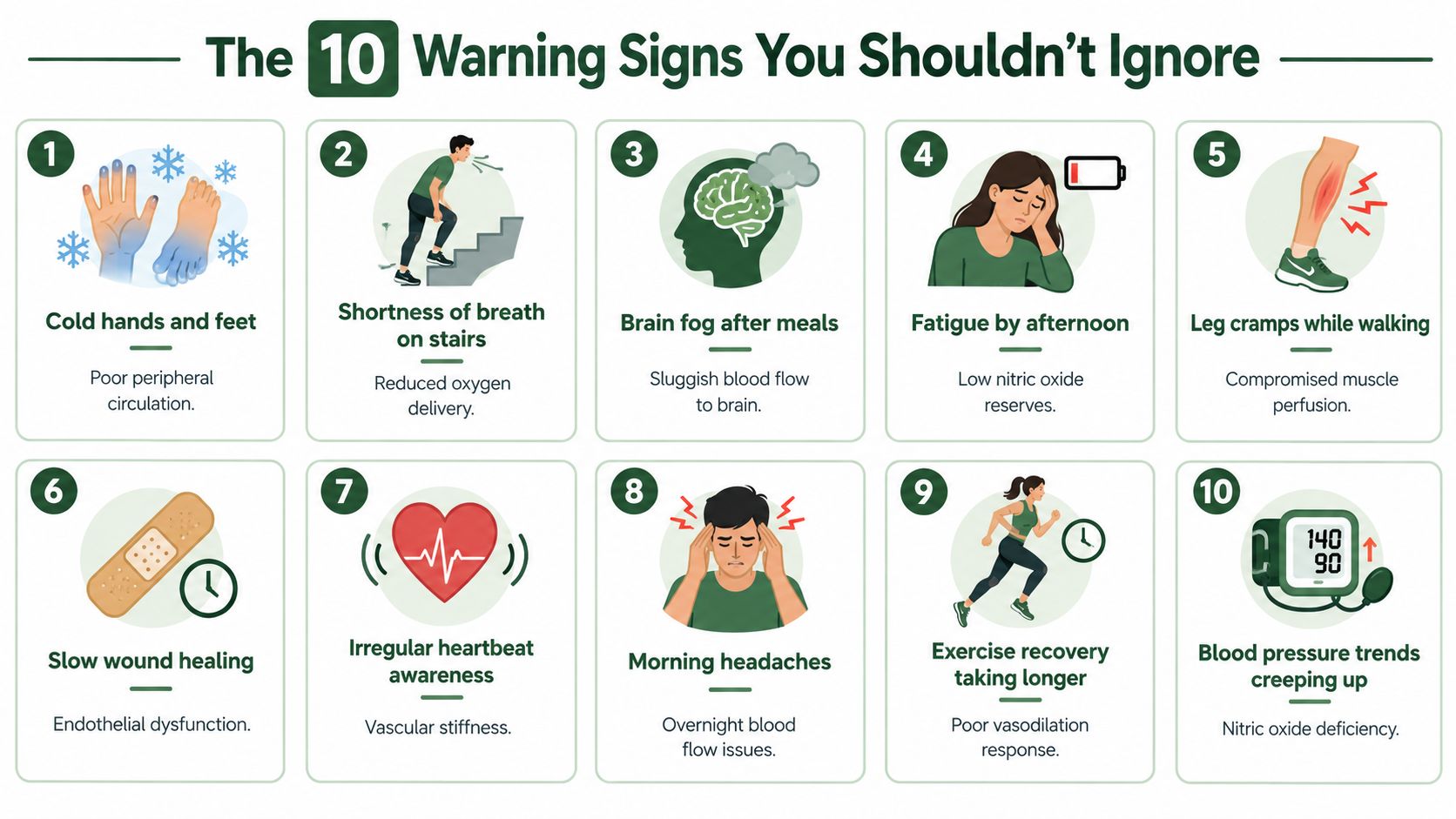
Cold hands, slow recovery, and a midday crash can make a nitric-oxide gap noticeable. Beet root capsules may help only when the label supplies a meaningful nitrate dose. For any sign below, the minimum practical target is 300 mg of nitrate per serving, not an unspecified amount of beetroot powder.
Cold fingers and toes deserve attention first. Nitric oxide helps blood vessels widen, while reduced peripheral vasodilation can leave the extremities cold. An NIH review on nitric oxide and cold-sensitive circulation found improved toe temperature, cold-exposure blood flow, and rewarming with a nitric oxide donor. Rule out circulation disorders, thyroid problems, anemia, and other causes before testing capsules. Dose target: at least 300 mg nitrate.
- Cold hands and feet: Use the same minimum dose only after medical causes have been assessed.
- Slow workout recovery: Lingering fatigue may reflect poor tissue perfusion or excessive training. If recovery suddenly worsens, investigate first. Dose target: 300 mg nitrate.
- Midday energy slumps: Check sleep, food intake, stress, and blood sugar before blaming low nitric oxide. If those are covered, choose at least 300 mg nitrate.
- Brain fog after meals: Blood-flow changes may contribute, but recurring cognitive symptoms need clinical review. A supplement trial requires 300 mg nitrate.
- Higher-than-expected blood pressure: Reduced endothelial nitric oxide signalling can increase vascular resistance. Track readings and speak with a clinician if they rise. Do not use less than 300 mg nitrate and mistake it for a tested dose.
- Sexual performance concerns: Nitric oxide supports erectile blood flow, but persistent difficulty can signal cardiovascular or metabolic disease. Seek evaluation first, then consider 300 mg nitrate.
- Headaches or dizziness when standing: Dehydration, medication effects, pressure-regulation problems, and more serious conditions can cause them. Do not increase nitrate blindly. If cleared, the minimum remains 300 mg nitrate.
- Poor exercise tolerance: Unusual difficulty with familiar stairs or training may involve the heart or lungs. Get those causes checked before trying 300 mg nitrate.
- Pale or slow-healing skin: Microcirculation may contribute, but slow wound healing needs prompt medical attention, particularly with diabetes or vascular disease. Skip capsules until assessed.
- A decline during prolonged stress or aging: Vascular responsiveness may fall over time or under sustained stress. Fix sleep, activity, diet, and other basics first. If adding capsules, use at least 300 mg nitrate.
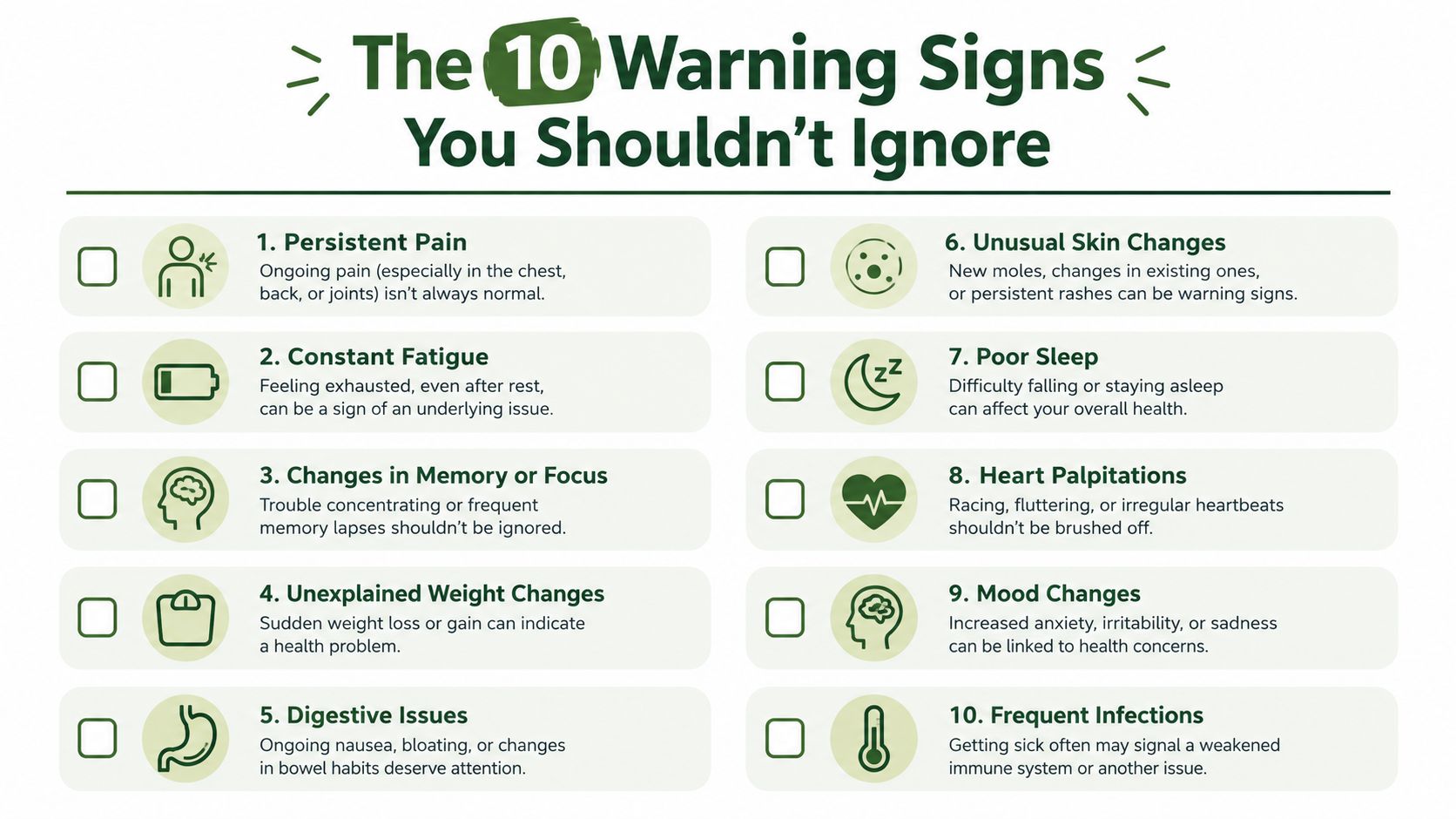
These signs do not prove you need beet root capsules. They show when a nitrate-focused trial may be reasonable. The practical threshold is roughly 300 to 600 mg of nitrate, a number you can verify on a properly labeled product. If the label gives only beetroot weight or a few milligrams of nitrate, skip it.
What the Research Really Shows
The 43-trial meta-analysis cited earlier is the anchor, but the acute and hypertensive data add useful nuance. Across those trials, beet-derived nitrate produced an average 3.55 mm Hg lower systolic pressure and 1.32 mm Hg lower diastolic pressure versus placebo, according to the 2017 systematic review and meta-analysis. That is a measurable cardiovascular effect, not proof that every beet root capsule improves circulation.
A separate review of 310 participants found the clearest benefit in systolic rather than diastolic pressure. Another systematic review reported systolic improvement in 11 studies, while only 5 studies reported a diastolic decrease. Treat those results as modest support for blood-pressure management, not as a reason to replace prescribed treatment or ignore persistent symptoms.
Timing also matters. In one randomized crossover study, beetroot juice containing about 7 mmol of inorganic nitrate lowered aortic systolic blood pressure by about 5 mm Hg versus placebo, with the peak effect around 30 minutes after ingestion. In hypertensive patients, dietary nitrate produced a clinic blood-pressure reduction of 7.7/2.4 mm Hg and a 24-hour ambulatory reduction of 7.7/5.2 mm Hg. The effect remained over 4 weeks without evidence of tachyphylaxis, according to the Frontiers review of nitrate and vascular function.
| Outcome | Average change | Population | Typical nitrate dose |
|---|---|---|---|
| Systolic blood pressure | −3.55 mm Hg | Adults across 43 randomized controlled trials | Varied by study |
| Diastolic blood pressure | −1.32 mm Hg | Adults across 43 randomized controlled trials | Varied by study |
| Aortic systolic blood pressure | About −5 mm Hg | Participants in a randomized crossover study | About 7 mmol |
| Exercise-oriented supplementation | Product-dependent | Research and sports users | Commonly 300 to 600 mg |
Performance results are more conditional. Nitrate may improve exercise efficiency and endurance, particularly when the product supplies a meaningful dose, but outcomes vary with fitness level, exercise type, baseline blood pressure, and protocol. The evidence is weaker for claims about maximal strength, sprint performance, body composition, or every form of recovery. If a label cannot state its nitrate content, you cannot compare it with the research.
Betalains deserve separate scrutiny. Whole beetroot contains these pigments, yet their availability from capsules is less established than the nitrate pathway. When evaluating supplement ingredients, prioritize the active compound with human evidence and treat broad antioxidant or circulation language as secondary until the label shows what you are receiving.
How to Take Beet Root Capsules for Best Results
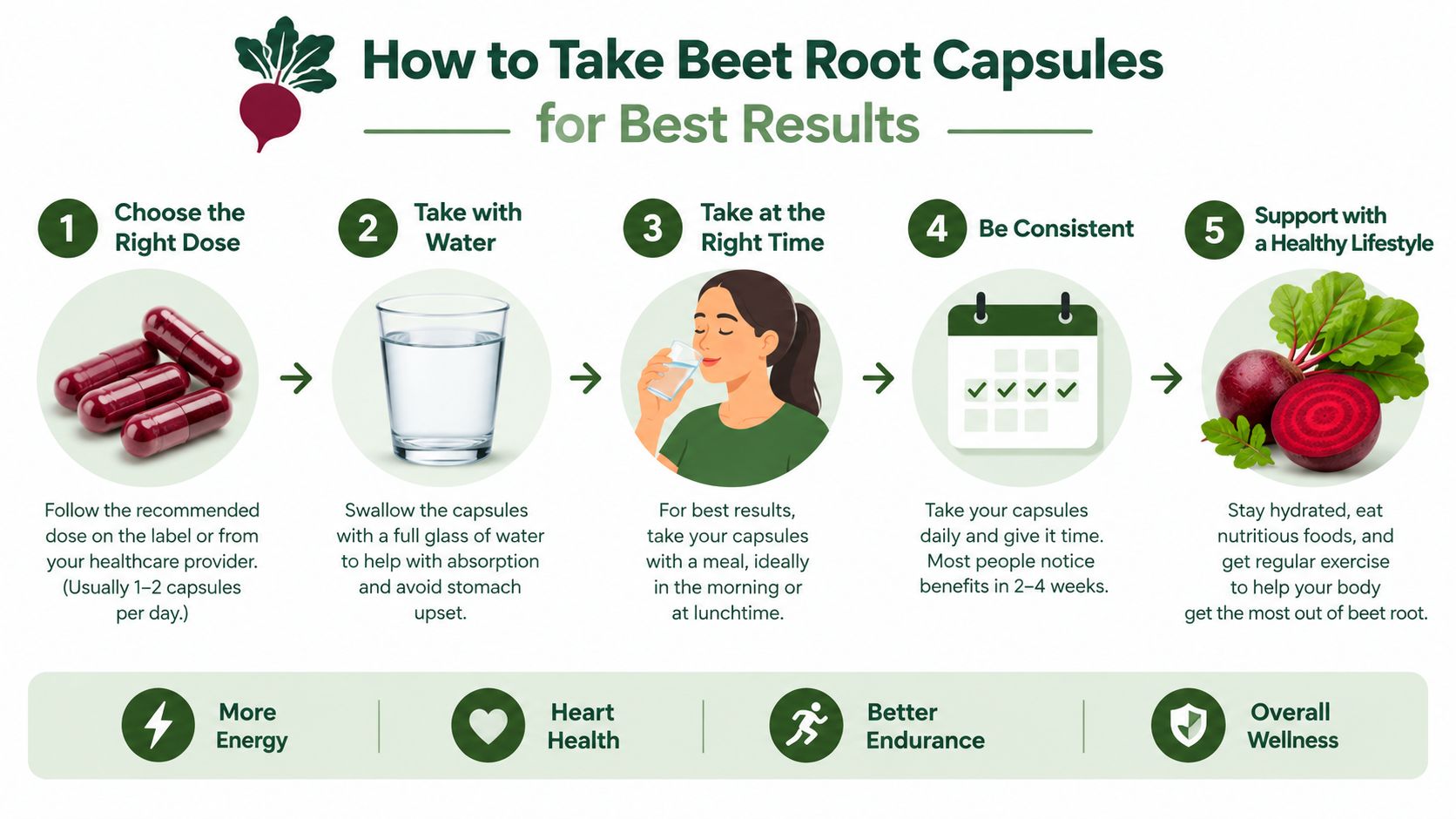
Start with the label, not the capsule count. For general cardiovascular support, a practical target is about 300 to 400 mg of elemental nitrate daily. For exercise, research-level use commonly falls around 300 to 600 mg, with the upper part of that range more relevant when the product has been tested and the user tolerates it.
Take an exercise dose two to three hours before training, because the nitrate-to-nitrite conversion takes time and the strongest research protocols aren't based on swallowing capsules at the gym door. For baseline blood-pressure support, take the product consistently at the same time each day, such as with breakfast, and track your readings rather than guessing whether it works.
Build a routine before you judge it
A single dose can produce an acute response, but a consistent routine gives you a better basis for judging blood pressure and recovery. The research includes effects observed over 14 days and sustained effects over 4 weeks, so one workout isn't a serious test of the product.
- Start conservatively: Use the lower end of the declared nitrate range and watch for dizziness or stomach discomfort.
- Protect the pathway: Don't use antibacterial mouthwash around dosing if you're trying to preserve oral nitrate conversion.
- Split only if needed: Dividing a daily serving may make the product easier to tolerate, but don't increase the total dose to compensate for a weak label.
- Track the outcome: Record blood pressure, workout pace, perceived effort, and recovery rather than relying on a vague feeling.
Capsules can fit neatly into a broader nutrition routine, but don't stack several strong vasodilators immediately. Add one change at a time so you can identify what helps and what causes unwanted pressure changes. Guidance on the best time to take vitamins can help organize a consistent morning routine, but nitrate timing around exercise remains the priority for performance use.
How to Spot a High Quality Beet Root Capsule
Cold hands, slow recovery, or a midday slump do not tell you whether a capsule delivers enough nitrate. The label does. The biggest shelf mistake is confusing beetroot powder weight with elemental nitrate. Hundreds of milligrams of beetroot may provide little usable nitrate. Independent testing found products ranging from 2.2 mg to 495.6 mg of nitrate per serving, confirming why capsule weight cannot stand in for dose. ConsumerLab's beetroot testing overview documents that spread.
Set a minimum nitrate dose for your goal, then reject any product that does not state its nitrate amount. Look for a Supplement Facts panel listing nitrate in milligrams or millimoles. “Organic beet root,” “beetroot complex,” and “standardized extract” are not enough by themselves. Proprietary blends hide the active dose, so skip them.
Use a strict label filter
- Declared nitrate: The label must identify elemental nitrate, not only total beetroot powder.
- Batch consistency: Prefer batch-specific testing or a certificate confirming potency and screening for contamination.
- Manufacturing controls: Organic certification and non-GMO verification support sourcing claims, but they do not prove nitrate content.
- Clean excipients: Choose the simpler formula when unnecessary colors, coatings, or fillers add no clear benefit.
- Transparent verification: Recognized independent programs such as NSF, USP, Informed Sport, or ConsumerLab offer stronger evidence than an unsupported badge. See this guide to third-party tested supplement brands to assess testing seals.
Calculate value from the full serving's declared nitrate, not capsule count or total powder weight. A cheap product with a token nitrate amount can cost more per useful dose than a clearly standardized formula.
For a practical option, review Organic Beet Root Capsules, then confirm that its current label provides the nitrate information you need.
Side Effects, Safety and Who Should Skip Them
Beeturia, pink urine, and red stool can occur after beetroot intake because of the plant pigments. Those effects are usually cosmetic, but red urine without recent beetroot consumption should not be dismissed. Mild gastrointestinal discomfort, bloating, or nausea can also occur, particularly when someone starts with too much.
The more important concern is excessive blood-pressure reduction. Beetroot nitrate can lower pressure, so people taking antihypertensive medication should speak with their prescriber before using it. People with already low blood pressure should be equally cautious, especially if they experience light-headedness, weakness, or fainting.
Stop and reassess: Sharp dizziness, palpitations, severe weakness, or kidney pain isn't a normal reason to push through a supplement trial.
Beetroot can also be a poor choice for people with a history of kidney stones or gout because of its oxalic acid and oxalate content. Anyone with diagnosed cardiovascular or renal disease should get individual guidance rather than copying an athlete's protocol. The same applies during pregnancy or breastfeeding.
Antibacterial mouthwash deserves a practical warning because it can suppress the oral bacteria involved in nitrate conversion. That doesn't make mouthwash unsafe, but it can make a nitrate supplement less effective around the time of dosing.
Skip self-experimentation if you have unexplained chest pain, fainting, severe shortness of breath, rapidly worsening exercise tolerance, or unexplained swelling. Beet root capsules are a dietary supplement, not a diagnostic test or a treatment for an underlying disease.
Your Next Step and Common Questions Answered
Use a simple decision rule. If three or more signs from the list fit your experience, first rule out obvious medical and lifestyle causes, then inspect the label for a meaningful declared nitrate dose and credible testing. If the label hides nitrate content, skip the product.
Give a properly dosed trial enough time to judge your target outcome. For blood pressure, track readings across a consistent routine. For training, compare similar workouts and recovery patterns rather than expecting a dramatic sensation.
How quickly can results appear? Blood-pressure effects may occur within hours, while a consistent routine over days or weeks gives a better view of sustained response. One clinical study found a measurable nitric oxide change after a single beetroot juice dose, with exhaled nitric oxide rising 21.3% at 45 minutes and 20.3% at 90 minutes, as reported in this clinical summary of beetroot powder research.
Should you cycle beet root capsules? There isn't a verified need to cycle them for healthy adults using an appropriate dose, but continuous use still requires monitoring if you take blood-pressure medication or develop symptoms.
Are foods better than capsules? Fresh beetroot can provide more nitrate and antioxidant compounds than some capsule products, while capsules offer convenience. They aren't automatically equivalent, so compare actual nitrate content.
Does workout timing matter? Yes. Use the product early enough for nitrate conversion, generally two to three hours before exercise, and don't judge a low-dose product by a single session.
A beetroot supplement works best as one part of a coherent nutrition and recovery routine. It shouldn't replace vegetables, sleep, hydration, medical care, or a properly designed training plan.
Peak Performance offers daily supplements and organic superfood products, including a beet-focused capsule option for people who want a convenient nitrate routine. Review the product details, confirm the declared active dose, and visit Peak Performance to choose a supplement plan that fits your circulation and recovery goals.
Also in Podcasts


Vegan Protein Powder: How to Pick the Right One for You


